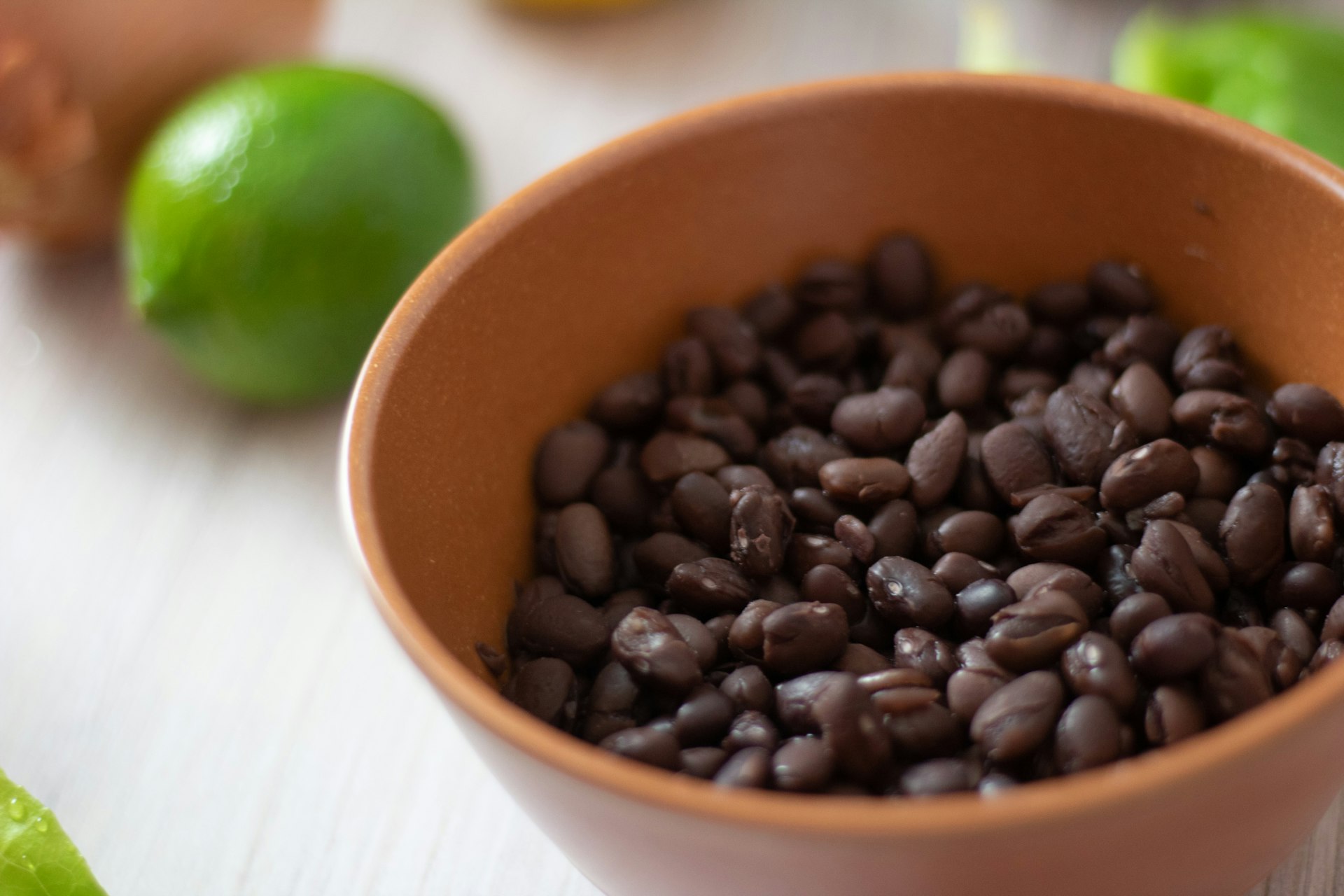
Ulavalu in English is horse gram — also known across India as gahat dal (Hindi/Garhwali), hurali (Kannada), kollu (Tamil), or kulthi (North Indian dialects). It is one of the most nutritionally concentrated legumes in the world, and it has been a staple of traditional South Indian and Himalayan diets for centuries.
If you searched “ulavalu in English” and landed here, you already know what you’re eating — you just needed the common name to look it up in nutrition databases, recipes, or online stores. This guide gives you the full picture: every regional name, the nutritional science, how to cook it the way different communities across India have cooked it for generations, and why the Himalayan variety is in a class of its own.
Ulavalu, Hurali, Kollu, Kulthi — One Dal, Many Names
Horse gram is the same legume across every Indian language and regional cuisine — only the name changes. Here is the complete translation table:
| Language / Region | Local Name | English Name |
|---|---|---|
| Telugu (Andhra Pradesh, Telangana) | Ulavalu / Ulava | Horse gram |
| Kannada (Karnataka) | Hurali | Horse gram |
| Tamil (Tamil Nadu) | Kollu | Horse gram |
| Malayalam (Kerala) | Muthira | Horse gram |
| Hindi / Garhwali (Uttarakhand, UP) | Gahat / Kulthi | Horse gram |
| Marathi (Maharashtra) | Kulith | Horse gram |
| Odia (Odisha) | Kolatha | Horse gram |
| Bengali | Kurthi Kalai | Horse gram |
| English (Botanical) | — | Macrotyloma uniflorum |
So whether you call it ulavalu, hurali, kollu, or kulthi — you are talking about the exact same small, brownish-red lentil. The differences between varieties are regional and climatic, not botanical. A Telugu family’s ulavalu rasam and a Garhwali family’s gahat ki dal both begin with the same ingredient; what diverges is the spice grammar.
What Is Horse Gram (Ulavalu / Gahat)?
Horse gram is a small, oval legume — typically 4–6 mm long, ranging in colour from reddish-brown to almost black depending on variety and growing altitude. It belongs to the family Fabaceae, species Macrotyloma uniflorum. It is drought-tolerant, requires no irrigation, and grows at altitudes up to 2,000 metres — which is why it thrives in the Himalayan foothills of Uttarakhand and in the dry Deccan plateaus of Andhra Pradesh simultaneously.
The name “horse gram” comes from its historical use as fodder for horses in colonial India — a strange origin for a legume now celebrated in health circles. Traditional Indian communities never needed that framing. Telugu, Kannada, and Tamil households have cooked ulavalu, hurali, and kollu for at least two thousand years, and Ayurvedic texts (Charaka Samhita, Sushruta Samhita) cite it as a therapeutic food, not just a staple.
Ulavalu Nutritional Profile — Why It Stands Apart
Horse gram is the most protein-dense legume found in the Indian subcontinent. Per 100g of raw ulavalu / gahat dal:
| Nutrient | Per 100g (raw) |
|---|---|
| Protein | 22–25 g |
| Dietary fibre | 5–8 g |
| Iron | 6.7 mg (37% DV) |
| Calcium | 287 mg (22% DV) |
| Phosphorus | 311 mg |
| Polyphenols | High — primarily flavonoids and tannins |
| Carbohydrates | 57 g (low glycaemic) |
| Fat | 0.5 g |
| Calories | 321 kcal |
What sets ulavalu apart from other pulses is its polyphenol load — the same class of compounds responsible for the health properties of green tea and dark chocolate. These aren’t destroyed by cooking; slow-boiling actually helps release them. This is why traditional South Indian preparations like ulava charu (a slow-cooked Telugu rasam made by simmering horse gram for hours until the water turns deep amber) are nutritionally superior to a quick-pressure-cooked version.
Ulavalu in South Indian Cooking — Traditions You Should Know
Telugu, Kannada, and Tamil cuisines have developed distinct and sophisticated traditions around this legume — and each one extracts different properties from the same ingredient.
Ulavalu (Telugu) — Ulava Charu and Beyond
The signature ulavalu dish in Andhra cuisine is ulava charu — a thick, dark rasam made by soaking horse gram overnight, pressure cooking it, then simmering the strained water with tamarind, jaggery, and a tempering of dry red chillies, curry leaves, and garlic in sesame oil. The dal itself is often used separately in a side dish. The rasam is intensely flavoured and deeply nourishing — the kind of preparation that makes instant rasam powders obsolete once you’ve had the real thing.
Other ulavalu preparations in Andhra include ulava sundal (boiled, tempered with coconut and green chilli), ulava vadalu (fritters), and ulava guggillu (sprouted horse gram with coconut, common during festivals).
Hurali (Kannada) — Hurlikai Saaru and Usili
In Karnataka, hurali appears most prominently as hurlikai saaru — the Kannada equivalent of ulava charu, using similar slow-cooking techniques but typically with coconut and sometimes groundnuts added to the base. In the Malnad region, horse gram is also used as a thickener in curries. Hurali usili is a dry preparation popular in the coastal districts, tempered with mustard, asafoetida, and fresh grated coconut.
Kollu (Tamil) — Kollu Rasam and Sprouts
Tamil Nadu takes a slightly different approach: kollu rasam is lighter in body than ulava charu, often made with horse gram water, pepper, cumin, and curry leaves — a soup-thin preparation intended for digestion and fever recovery. Tamil households also sprout kollu regularly — sprouted horse gram salad (kollu sundal) is a festival staple, especially during Navratri, and provides significantly higher bioavailability of nutrients than the cooked form.
If you’re searching “kollu in English” for a health reason, know that sprouted kollu is one of the highest plant-based sources of digestible iron and protein you can prepare at home in 48 hours with no equipment beyond a bowl and a cloth.
Gahat Dal in the Himalayas — Where the Altitude Changes Everything
North of the Deccan, horse gram grows as gahat or kulthi — and the Himalayan variant grown in Uttarakhand’s high-altitude districts is the product that earned this legume a quiet reputation among people who know their pulses.
Altitude matters for legumes the same way it matters for coffee or wine. Above 1,200 metres, the combination of slow growth (due to colder temperatures), glacial mineral-rich water, and unimproved soil forces the plant to develop denser seeds with higher protein concentration and a richer, earthier flavour than lowland varieties. Garhwali farmers have grown gahat for generations as a winter crop — it does not need fertiliser, it fixes nitrogen into the soil, and it tolerates the dry cold that would kill most other pulses.
Uttarakhand’s gahat has a distinctly different flavour profile from the horse gram you might find in a supermarket bin. It is darker in colour, slightly smaller, and has a depth of flavour that makes the broth almost meaty after long cooking — the reason it features in the traditional Garhwali preparation gahat ki dal (a slow-cooked, whole-spice-tempered lentil preparation eaten with roti or rice), and in fana (a soup made from horse gram water with dried chillies and ghee, considered a remedy for kidney stones in traditional Pahadi medicine).
Health Benefits of Ulavalu / Horse Gram
Rather than make blanket health claims, here is what the science and traditional use actually support:
- Blood sugar management. Horse gram has a low glycaemic index. Studies (notably from the National Institute of Nutrition, Hyderabad) show that consuming horse gram before high-glycaemic foods reduces post-meal blood sugar spikes. This is consistent with its traditional use in diabetic diets across South India.
- Weight management. High fibre, high protein, and low fat make it one of the most satiating legumes per calorie. It slows digestion and reduces appetite without suppressing energy.
- Iron and calcium without supplements. At 6.7 mg iron per 100g, it delivers more iron than most red meats per serving, entirely from plant sources. Pairing with vitamin C (tamarind in rasam, lemon in salads) significantly improves absorption.
- Kidney stone prevention. This is perhaps horse gram’s most specific traditional application. The Pahadi preparation “fana” and the Ayurvedic texts both cite gahat / kulthi as a diuretic that helps prevent calcium oxalate stone formation. Modern research is limited but directionally consistent.
- Polyphenols and antioxidants. The dark colour is a signal: the same flavonoids that give red wine and dark chocolate their antioxidant properties are present in high concentrations in horse gram’s seed coat. Slow boiling the whole gram extracts these into the water — another reason the broth (ulava charu, kollu rasam) is as valuable as the dal itself.
How to Cook Ulavalu / Gahat Dal at Home
Horse gram requires a different approach from soft lentils like masoor or moong. It is a hard grain that benefits from soaking and slow cooking — which is also what develops its flavour.
Basic Method (Works for Ulavalu, Hurali, Kollu, and Gahat)
- Soak overnight (8–12 hours) in 3× the volume of water. This reduces cooking time by half and significantly improves digestibility.
- Pressure cook for 4–5 whistles, or simmer in a heavy-bottomed pot for 60–75 minutes until the dal is fully soft but still holds its shape.
- Reserve the cooking water. It is the most nutritionally active part. Use it as the base for rasam, dal, or simply drink it as a broth with salt, pepper, and a squeeze of lemon.
- Temper separately. Heat ghee or sesame oil. Add cumin, dry red chillies, garlic, and curry leaves. Pour over the dal. Do not add tempering before cooking — it closes the surface of the grain and prevents the broth from developing depth.
Garhwali Gahat Ki Dal
Soak overnight. Drain and cook in fresh water with turmeric and salt until very soft (almost dissolving at the edges). In a separate pan, heat mustard oil until smoking, reduce heat, add a pinch of asafoetida, two dry red chillies, and minced ginger. Add the cooked dal, stir, adjust salt, and finish with a squeeze of lemon. Serve with mandua (finger millet) roti or steamed rice.
Ulava Charu (Telugu)
Soak and pressure cook ulavalu until very soft. Strain, reserving all the water. To the water, add soaked tamarind (extract), jaggery, salt, and a pinch of turmeric. Simmer for 20 minutes. Temper with ghee, mustard seeds, dry red chillies, curry leaves, and crushed garlic. The finished rasam should be thin, dark, and intensely savoury-sour. Drink it as a soup or serve as an accompaniment to rice.
Tehri Garhwal Gahat Dal — The Himalayan Variant Worth Seeking Out
Not all gahat is the same. The horse gram grown in Tehri Garhwal — a high-altitude district in Uttarakhand at elevations between 1,000 and 2,000 metres — is among the finest in the country. It is grown as a traditional winter crop by smallholder farming families using no chemical inputs: the terrain and climate make large-scale industrial agriculture impossible, which means the crop is, by necessity, exactly as it has always been.
The seeds are darker and smaller than commercial horse gram. The broth they produce is denser and more flavourful. And the supply chain is short — from a specific farmer in a specific village to your kitchen, without the months-long storage in commodity warehouses that robs most pulses of their character.
If you’re a South Indian household that has always known ulavalu, hurali, or kollu — this is the same ingredient, grown differently, in a completely different ecosystem, and the result is noticeable in the cup.
Frequently Asked Questions
What is ulavalu in English?
Ulavalu in English is horse gram. It is also known by its botanical name Macrotyloma uniflorum. Ulavalu is the Telugu name used across Andhra Pradesh and Telangana; the same legume is called gahat or kulthi in Hindi and Garhwali, hurali in Kannada, and kollu in Tamil.
What is hurali in English?
Hurali in English is horse gram. Hurali is the Kannada name for the same legume called ulavalu in Telugu and kollu in Tamil. It is widely used in Karnataka cuisine in preparations like hurlikai saaru and hurali usili.
What is kollu in English?
Kollu in English is horse gram. Kollu is the Tamil name, used across Tamil Nadu and among Tamil communities worldwide. In Tamil cuisine, kollu is most commonly prepared as kollu rasam (a light, peppery broth) or as kollu sundal (boiled and tempered horse gram, eaten during festivals).
What is kulthi in English?
Kulthi in English is horse gram. Kulthi is the name used in North India, particularly in Uttarakhand, Himachal Pradesh, and parts of Uttar Pradesh. It is also called gahat in the Garhwali dialect of Uttarakhand. The Himalayan-grown kulthi / gahat is traditionally used in kidney stone prevention and as a winter warming dal.
Is ulavalu the same as gahat dal?
Yes. Ulavalu (Telugu) and gahat (Hindi/Garhwali) are regional names for the same legume: horse gram (Macrotyloma uniflorum). The difference is geographic and culinary — the preparation styles and spice profiles differ, but the base ingredient is identical. The flavour of the cooked dal can vary somewhat depending on the altitude and soil where it was grown.
Can I use gahat dal in ulavalu recipes?
Yes, completely interchangeable. Tehri Garhwal Gahat Dal works perfectly in ulava charu, hurali saaru, kollu rasam, or any South Indian horse gram preparation. The Himalayan variety tends to have a slightly earthier, deeper flavour — many people find it produces a richer broth than lowland commercial horse gram.
Is horse gram good for weight loss?
Horse gram has a low glycaemic index, high fibre content, and very low fat — which supports satiety and stable blood sugar. Traditional use across South India and the Himalayas treated it as a food for endurance and hard work, not specifically weight loss. Modern research is consistent with these traditional properties, but horse gram is a food, not a supplement — the effect is dietary and cumulative over time.
Where can I buy gahat dal online in India?
Fyonli sources Tehri Garhwal Gahat Dal directly from small-batch farming families in Uttarakhand. It is grown without chemicals, processed without polishing, and shipped directly to customers. Buy Tehri Garhwal Gahat Dal here.
Further Reading
If you came to this article searching for the Hindi name, see our companion guide: Gahat Dal in English — Everything You Need to Know About Horse Gram.
Horse gram is one ingredient called by many names. Every community that has cooked it for generations — Telugu, Kannada, Tamil, Garhwali — arrived at the same conclusion independently: that this small, hard, brownish-red dal is worth the slow cooking it demands. The broth alone is reason enough.