
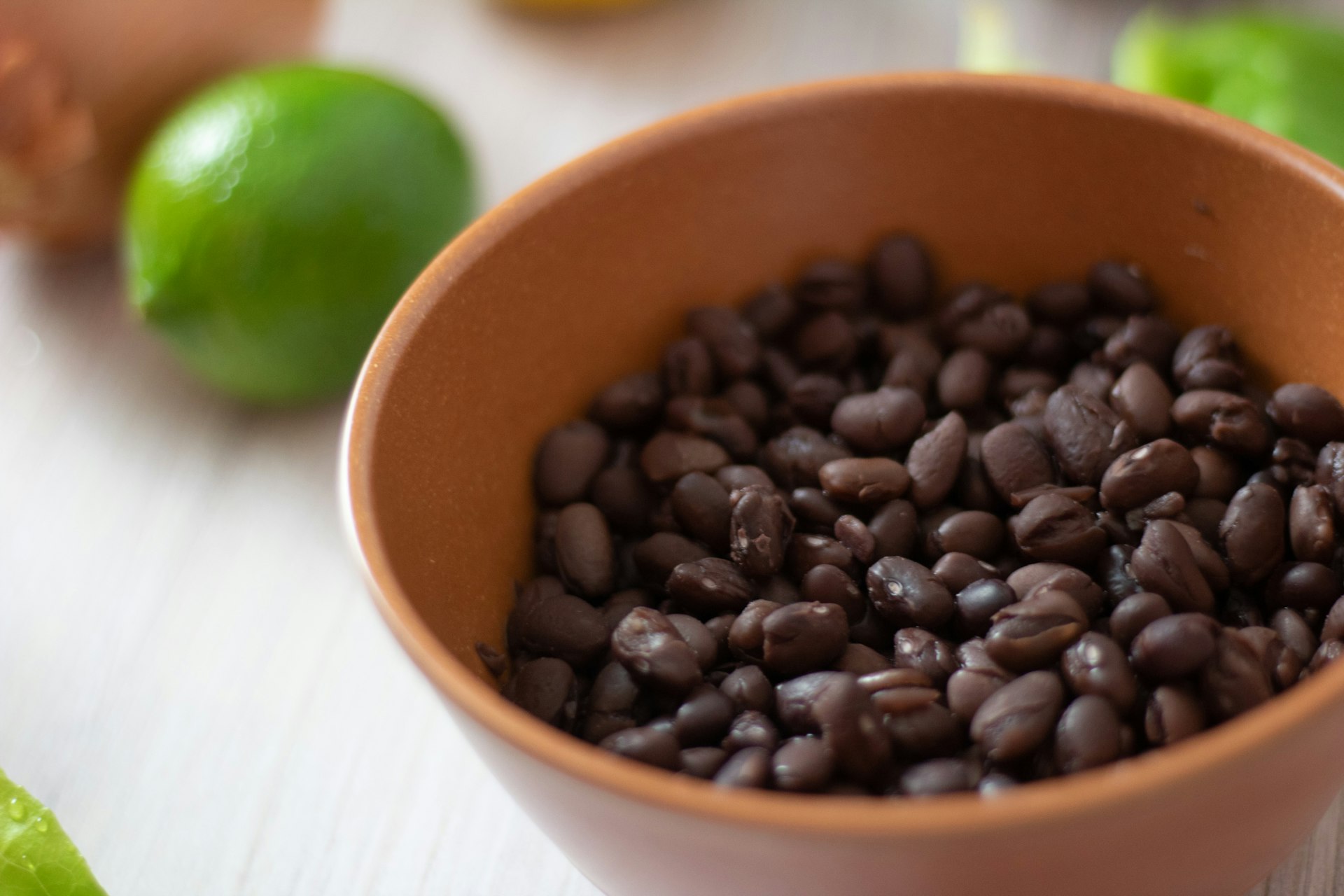
Bhatt has been grown in the hills of Uttarakhand for at least three thousand years. It feeds families through winter. It appears in every traditional Pahadi thali. Ayurvedic texts reference it. And yet if you walk into any supermarket in Delhi or Mumbai, you will not find it — because bhatt is not a commercial crop. It has never been mass-produced. It has never been branded. It has simply been quietly grown, cooked and eaten by the people who know it best.
That is now changing. Bhatt — Uttarakhand’s traditional black soybean — contains approximately 40g of plant protein per 100g, making it one of the highest-protein pulses grown anywhere in India. Its black skin is loaded with anthocyanins, the same antioxidant compounds found in blueberries and black rice. And it grows at altitude on rain-fed terraced fields without chemical inputs, the way it has always been grown. This is a complete guide to what bhatt actually is, where it comes from, and why it deserves a place in modern Indian kitchens.
In This Article
- What Is Bhatt (Black Soybean)?
- Where Bhatt Comes From in Uttarakhand
- Bhatt Nutrition — What 100g Actually Contains
- 6 Reasons Bhatt Belongs in Your Kitchen
- Bhatt vs Yellow Soybean — The Real Differences
- How Bhatt Is Cooked in Uttarakhand
- How to Cook Bhatt at Home
- Frequently Asked Questions
What Is Bhatt (Black Soybean)?
Bhatt is the Garhwali and Kumaoni name for a traditional black soybean variety — botanically Glycine max, the same species as the commercial yellow soybean grown across the plains. What makes bhatt different is not the species but the variety: the seed coat is entirely black, the grain is noticeably smaller than commercial soybean, and the flavour is earthier, nuttier and more complex. This is not a superfood trend or a recently discovered ingredient. It is a staple that has been part of the Himalayan diet for centuries.
The word “bhatt” is used across Uttarakhand’s two main cultural regions — Garhwal and Kumaon — to refer to this specific black soybean variety, as distinct from yellow soybean or other legumes. In local usage it is also sometimes called Pahadi bhatt (mountain bhatt) or kala bhatt (black bhatt) to distinguish it from improved commercial varieties that look similar but are not the same thing.
Unlike commercial soybeans — which are grown in large quantities across Madhya Pradesh, Maharashtra and Rajasthan for oil extraction and animal feed — bhatt is grown exclusively on small terraced holdings in the Himalayan hills, primarily for direct consumption. It is not crushed for oil. It is not processed into textured vegetable protein. It is cooked whole, as a dal, just as it has always been.
Where Bhatt Comes From in Uttarakhand
Bhatt is grown primarily across the hill districts of Uttarakhand — Almora, Pithoragarh, Bageshwar, Chamoli, Rudraprayag and Tehri Garhwal. These are the same districts where most of Fyonli’s other ingredients come from: jhangora, gahat, mandua, bhangjeera. The growing altitude is typically between 1,000 and 2,400 metres above sea level, on rain-fed terraced fields carved directly into the hillside.
Bhatt is a kharif crop — sown in June after the monsoon breaks and harvested between October and November, once the pods have dried and begun to split. Like most traditional Pahadi crops, bhatt is grown without synthetic fertilisers or pesticides. Mountain soil is mineral-rich, water comes from rainfall and glacial streams, and the slow growing season at altitude produces a denser, more nutritionally concentrated grain than flatland cultivation can achieve.
Historically, bhatt was grown as a mixed crop — intercropped with mandua (finger millet), gahat (horse gram) and other legumes in a traditional farming system designed to maintain soil fertility without external inputs. Each crop fed the soil as well as the family. This polyculture approach is still practised by many older farmers in the hills, even as younger generations move away and agricultural land shrinks.
Bhatt Nutrition — What 100g Actually Contains
The nutritional profile of bhatt black soybean is exceptional — particularly for a plant-based food. Here are the key figures per 100g of dried whole bhatt:
- Protein: ~40g — among the highest of any pulse or legume grown in India; comparable to chicken breast on a gram-for-gram basis
- Iron: ~8.8mg — nearly 5× the iron in whole wheat; critical for blood formation and anaemia prevention
- Calcium: ~220mg — close to the calcium content of milk per 100g; supports bone density and muscle function
- Dietary Fibre: ~9g — feeds gut bacteria, slows digestion, and helps regulate blood sugar and cholesterol
- Anthocyanins — concentrated in the black seed coat; powerful antioxidants with anti-inflammatory properties
- Isoflavones — plant compounds with hormone-balancing effects, particularly relevant for women
- Healthy fats: ~18g — predominantly unsaturated omega-6 and omega-3; zero cholesterol
What is particularly notable is the combination of protein, iron, calcium and anthocyanins in a single whole food. Most high-protein plant sources — lentils, chickpeas, moong — do not also carry significant antioxidant pigments. Bhatt’s black skin makes it unusual, and unusually complete.
6 Reasons Bhatt Belongs in Your Kitchen
1. The Highest Plant Protein of Any Indian Dal
At approximately 40g of protein per 100g, bhatt black soybean contains nearly twice the protein of toor dal (~22g), moong dal (~24g), chana dal (~20g) or rajma (~24g). It contains more protein than eggs on a gram-for-gram basis. For vegetarians, vegans, or anyone trying to eat more protein without meat or supplements, bhatt is one of the most efficient whole-food options available — and it fits naturally into a dal-rice meal that Indian kitchens already know how to cook.
2. Antioxidants You Cannot Get From Yellow Soybean
The black skin of bhatt is not just colour. It contains anthocyanins — the same class of antioxidant found in blueberries, black rice and purple cabbage. These compounds reduce oxidative stress, lower inflammation, and protect cells from chronic damage. Yellow soybean has none of this. When you cook bhatt, the water turns deep purple-black — that is the anthocyanin releasing. It is a visible sign of something genuinely nutritious happening in your pot.
3. Serious Iron for Serious Deficiency
Iron deficiency anaemia affects an estimated 50–60% of women in India. Bhatt contains around 8.8mg of iron per 100g — nearly five times more than white rice and significantly more than most common dals. Pair it with something acidic — a squeeze of lemon, a little tamarind, some tomato in the curry — and the non-haem iron becomes far more bioavailable. Traditional Uttarakhand recipes often include sour elements with bhatt. That may not be coincidence.
4. Hormone Balance via Isoflavones
Bhatt contains soy isoflavones — plant compounds that weakly mimic oestrogen in the body. Regular consumption of whole soy foods is associated with reduced hot flashes in menopausal women, better bone density, and a lower risk of certain hormone-related cancers. The important distinction is whole food versus processed: bhatt cooked as a dal is the right form. It is the form Pahadi women have eaten for generations, long before any of this was studied.
5. Good for Your Gut and Your Blood Sugar
Bhatt’s fibre content of around 9g per 100g feeds the gut microbiome, slows glucose absorption and helps reduce LDL cholesterol. Combined with its high protein, bhatt has a low glycaemic impact — it does not spike blood sugar the way white rice or refined wheat does. For diabetics or pre-diabetics, swapping a portion of white rice for bhatt dal several times a week can noticeably reduce post-meal glucose response.
6. Zero Cholesterol, Heart-Healthy Fats
Bhatt contains around 18g of fat per 100g, but almost all of it is unsaturated — including both omega-6 and omega-3 fatty acids. There is no cholesterol. For anyone replacing red meat or dairy-heavy meals with plant proteins, bhatt contributes to a fat profile that is genuinely cardiovascular-supportive, not just neutral.
Bhatt vs Yellow Soybean — The Real Differences
Bhatt and commercial yellow soybean are the same botanical species, but they are very different in practice. Here is an honest comparison:
- Anthocyanins: Present in bhatt (black skin). Completely absent in yellow soybean.
- Growing method: Bhatt is grown traditionally at altitude without chemical inputs. Commercial yellow soybean is a mass-production crop, typically grown with fertilisers and pesticides.
- How it is eaten: Bhatt is cooked whole as a dal. Yellow soybean is mostly processed — into oil, textured vegetable protein, soy milk or tofu.
- Flavour: Bhatt has a deeper, earthier, nuttier taste. Yellow soybean is relatively bland and benefits from heavy seasoning or processing.
- Phytic acid: Both contain phytic acid, which reduces mineral absorption. Soaking bhatt overnight — as Pahadi cooks have always done — reduces this significantly. Cook in fresh water after soaking.
- Availability: Yellow soybean is in every supermarket. Bhatt is only available from small Pahadi producers — which is why it is worth sourcing carefully.
How Bhatt Is Cooked in Uttarakhand
Bhatt has a central place in the traditional Pahadi kitchen — not as a special occasion food, but as an everyday protein that appears alongside rice, seasonal greens and pickles. The preparations are simple, unfussy and completely unforgiving of bad ingredients. That is part of what makes them good.
Bhatt ki Churdkani
The most beloved bhatt preparation in Kumaon. Churdkani means roughly “crushed” — soaked bhatt is pressure-cooked until very soft, then lightly mashed and finished with a tempering of ghee, cumin, garlic and dried red chilli. The result is thick, dark and deeply savoury. It is usually eaten with steamed rice and a side of green chilli pickle. If you cook nothing else from this post, cook this.
Bhatt ki Dal
A straightforward dal — soaked bhatt cooked until soft, then given a simple tadka of mustard oil, cumin, dry red chilli, garlic and a pinch of turmeric. Less rustic than churdkani, but still deeply flavoured. This is the everyday version — fast, filling and nutritionally complete when eaten with rice or mandua roti.
Bhatt ka Jholi
A thinner, curry-style preparation — cooked bhatt in a curd- or water-based sauce seasoned with dried red chillies, cumin and ginger. Jholi means “thin curry” in Garhwali. It is lighter than churdkani, with a slightly sour note from the curd. Often poured over boiled rice or served alongside rotis.
How to Cook Bhatt at Home
Bhatt needs more preparation time than a lentil but is straightforward to cook. The key is not to rush the soaking.
Step 1 — Soak (8–12 hours)
Rinse the bhatt well and soak in cold water overnight. Soaking is not optional. Unsoaked black soybean is very hard, takes much longer to cook, and retains more phytic acid, which blocks mineral absorption. The soaking water turns dark purple from the anthocyanins — discard it, rinse the beans, and cook in fresh water.
Step 2 — Pressure Cook
Add soaked bhatt to a pressure cooker with fresh water — about 3 times the volume of the beans — and a pinch of salt. Cook on medium heat for 4–5 whistles. Let the pressure release naturally before opening. The bhatt should be completely soft and easily crushed between your fingers. If still firm, cook for 1–2 more whistles.
Step 3 — Temper
Heat mustard oil or ghee in a pan until it shimmers. Add cumin seeds and let them splutter. Add sliced garlic and a dried red chilli. Add the cooked bhatt with its cooking water. Season with salt, turmeric, and optionally a small pinch of garam masala. Simmer for 5–8 minutes until the flavours come together. Total active time after soaking: about 15 minutes. Serves 2–3 as part of a meal.
Frequently Asked Questions
What is bhatt in English?
Bhatt is the Garhwali and Kumaoni word for a traditional black soybean variety native to the hills of Uttarakhand. In English it is most accurately described as “Himalayan black soybean” or “Pahadi black soybean.” Its botanical name is Glycine max — the same species as commercial yellow soybean, but a distinct heirloom variety with a black seed coat and a richer nutritional profile.
How much protein does bhatt have?
Approximately 40g of protein per 100g of dried bhatt — making it one of the highest-protein plant foods you can cook as a dal. For comparison: toor dal has around 22g, moong dal around 24g, and chickpeas around 19g. A typical serving of 50g dry bhatt provides roughly 18–20g of protein once cooked.
Is bhatt the same as regular soybean?
Same species, very different in practice. Bhatt is a traditional heirloom variety grown at altitude in Uttarakhand without chemical inputs, eaten whole as a dal. Commercial yellow soybean is a modern mass-production crop, mostly processed into oil, soy milk or textured protein. The biggest practical difference: bhatt has a black skin with anthocyanins that yellow soybean simply does not have.
Is bhatt good for weight loss?
For most people, yes. Bhatt is high in protein — which increases satiety and reduces total calorie intake — and high in fibre, which slows digestion and keeps you fuller for longer. It has a low glycaemic impact, so it does not cause the spike-and-crash cycle that white rice or processed carbs can trigger. Replacing a higher-glycaemic meal component with bhatt dal is a simple, effective way to improve both satiety and nutritional density without counting calories.
Does bhatt need to be soaked before cooking?
Yes — 8 to 12 hours, overnight is easiest. Without soaking, bhatt takes much longer to cook, stays tougher in texture, and retains more phytic acid, which reduces how much iron and calcium your body can absorb. After soaking, discard the water, rinse, and cook in fresh water. This is how it has always been prepared in Uttarakhand kitchens — not as a modern nutritional tip, but as practical mountain cooking knowledge passed down through generations.
Where can I buy authentic Pahadi bhatt online?
Authentic bhatt from Uttarakhand’s hill districts is available from small-batch Himalayan food brands that source directly from farmers. Fyonli sources bhatt directly from small-holder farmers in Tehri Garhwal — the same mountain growing region as our other ingredients. Available at thefyonli.com.
Building out your Himalayan pulse pantry? See Toor Dal vs Arhar Dal vs Pahadi Toor Dal for why unpolished, hill-grown toor dal is a genuinely different product from the polished dal sold in most supermarkets — the same distinction that makes bhatt different from commodity soybean.
[…] same principle applies to every crop grown at altitude in Uttarakhand. The black skin of bhatt black soybean — rich in anthocyanins — is a direct response to UV stress. The dark colour of Himalayan mandua […]