
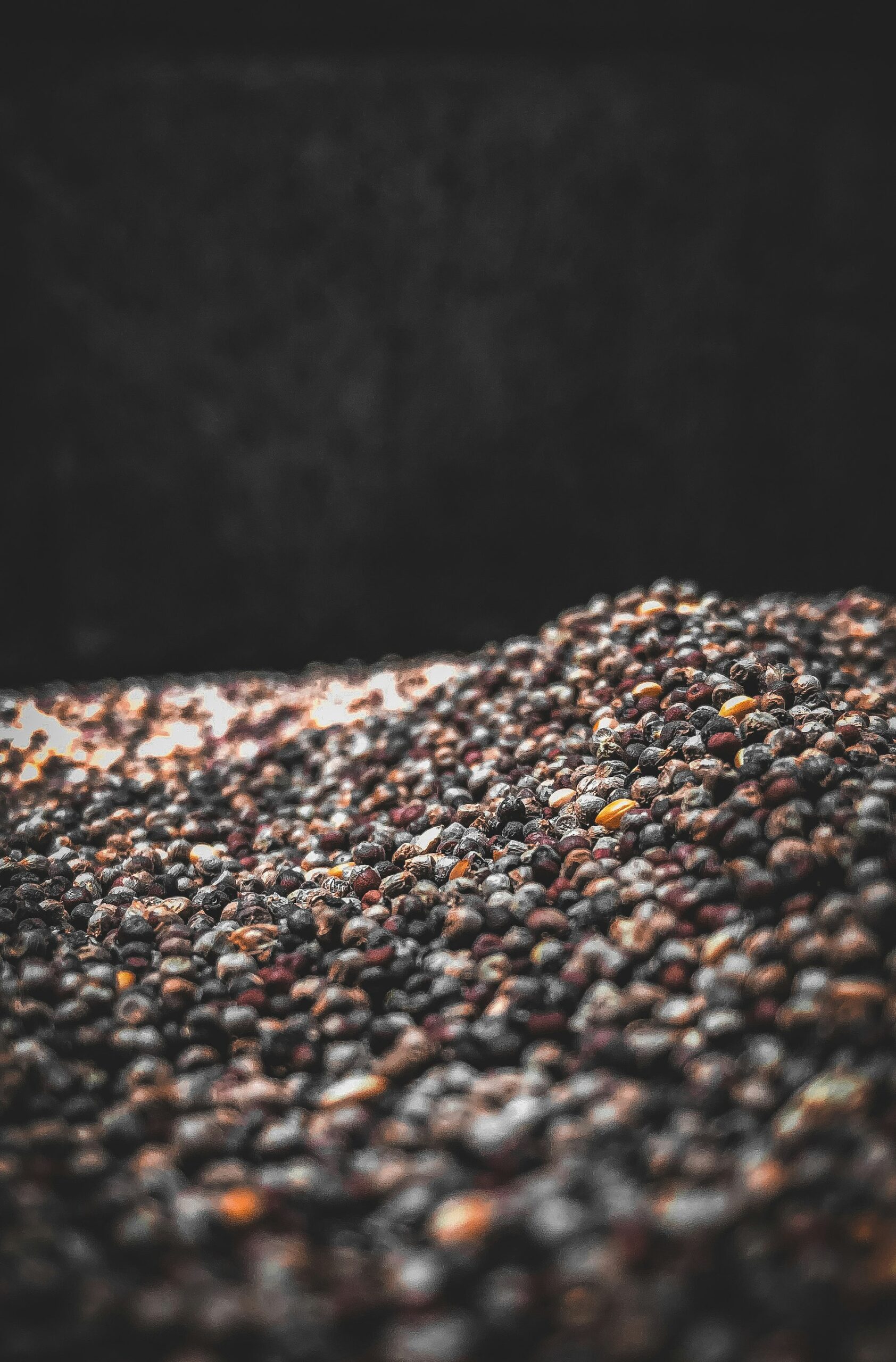
Mandua — finger millet’s Garhwali name — is one of the oldest cultivated grains in the Himalayan food system and, nutritionally, one of the most extraordinary cereals grown anywhere in India. Known as Ragi in South India, Koda in Nepal, and Mandua or Madua across Uttarakhand and Himachal Pradesh, this small, dark-brown grain has been the dietary backbone of Himalayan mountain communities for over three thousand years.
The rest of India is only now beginning to understand what Uttarakhand has always known: mandua millet is not a poor man’s grain. It is a nutritional powerhouse — containing more calcium than milk, more iron than most cereals, more fibre than wheat, and a glycaemic index low enough to make it one of the best grains for diabetics. This is a complete, evidence-based guide to mandua millet benefits, its Himalayan origins, and how to bring it into your daily diet.
In This Article
- What Is Mandua (Finger Millet)?
- Where Uttarakhand’s Mandua Comes From
- Mandua Nutrition — What the Numbers Show
- 7 Proven Mandua Millet Benefits
- Mandua vs Wheat vs Rice — A Direct Comparison
- How Mandua Is Used in Traditional Uttarakhand Cooking
- How to Add Mandua to Your Daily Diet
- Frequently Asked Questions
What Is Mandua (Finger Millet)?
Mandua is the local Garhwali and Kumaoni name for finger millet — the cereal grain scientifically known as Eleusine coracana. The name “finger millet” comes from the shape of its seed head, which branches into five to six finger-like spikes radiating outward from a central point. The grain itself is tiny — roughly 1–2mm — and ranges from deep brown to reddish-purple depending on the variety.
It is the same grain known as Ragi in Karnataka, Tamil Nadu, and Andhra Pradesh; as Nachni in Maharashtra; as Kodo in parts of Nepal; and as Mandua, Madua or Marua across the Himalayan belt of Uttarakhand and Himachal Pradesh. Despite its many regional names, finger millet is a single species — one of Africa’s original domesticated grains, later carried across trade routes into South Asia, where it has been grown for at least 3,000 years.
In Uttarakhand, mandua millet is one of the three foundational crops of the Himalayan farming system — alongside jhangora (barnyard millet) and gahat (horse gram). It grows on rain-fed terraced fields at altitudes between 1,000 and 2,500 metres, requires minimal inputs, and is uniquely adapted to the short growing season and erratic rainfall patterns of mountain agriculture.
Where Uttarakhand’s Mandua Comes From
The most prized mandua in Uttarakhand is grown across the hill districts of Pauri Garhwal, Chamoli, Tehri Garhwal, Almora, and Pithoragarh — where the combination of high altitude, clean mountain air, and mineral-rich, glacier-fed soil creates conditions that produce a denser, more nutritious grain than flatland cultivation can achieve.
Uttarakhand farmers typically sow mandua in June after the monsoon breaks and harvest it between October and November. The entire crop is grown on rain-fed terraced fields without irrigation infrastructure, which means the grain matures slowly, absorbing soil minerals over a longer period than commercially grown ragi from Karnataka or Andhra Pradesh.
This slow mountain growing cycle is part of why Uttarakhand mandua has a noticeably deeper flavour and darker colour than commercially grown ragi — and why traditional Pahadi households have always treated it as a medicine as much as a food.
Mandua Nutrition — What the Numbers Show
Mandua millet’s nutritional profile is what sets it apart from almost every other cereal grain available in India. Here are the headline numbers per 100g of whole mandua grain:
- Calcium: 344mg — the highest calcium content of any cereal grain; approximately 3× more than whole milk (120mg per 100ml)
- Iron: 3.9mg — significantly higher than wheat (2.7mg) and white rice (0.7mg)
- Protein: 7.3g — comparable to wheat, more than rice
- Dietary Fibre: 3.6g — supports gut health, digestion and blood sugar regulation
- Magnesium: 137mg — important for muscle function, nerve health and cardiac rhythm
- Phosphorus: 283mg — works alongside calcium for bone mineralisation
- Energy: 336 kcal — comparable to wheat; more energy-dense than rice
- Glycaemic Index: ~54 — classified as a low-GI food (below 55)
No other commonly consumed cereal grain in India comes close to mandua’s calcium content. This single nutritional fact — 344mg calcium per 100g — is the reason traditional Himalayan communities gave mandua to children, pregnant women, nursing mothers, and the elderly as a matter of course, long before any of this was quantified in a laboratory.
7 Proven Mandua Millet Benefits
1. Bone Health — More Calcium Than Milk
At 344mg of calcium per 100g, mandua millet contains more calcium than milk (approximately 120mg per 100ml), more than paneer (approximately 200mg per 100g), and more than any other cereal grain grown in India. For vegetarian households, children in growing years, post-menopausal women, and older adults at risk of osteoporosis, mandua millet is genuinely one of the most effective dietary calcium sources available — and it costs a fraction of dairy-based supplementation.
The calcium in mandua is accompanied by phosphorus (283mg/100g) and magnesium (137mg/100g) — both cofactors that support calcium absorption and bone mineralisation. This combination makes mandua millet more effective for bone health than a calcium supplement taken in isolation.
2. Blood Sugar Control — A Low Glycaemic Index Grain
Mandua millet has a glycaemic index of approximately 54 — well below the threshold of 55 that classifies a food as low-GI. White rice has a GI of around 72. White bread sits at 75. This means mandua millet releases glucose into the bloodstream slowly and steadily, avoiding the sharp post-meal blood sugar spike and the energy crash that follows it.
For people managing Type 2 diabetes, pre-diabetes, or insulin resistance, switching from white rice to mandua as the primary grain in at least one daily meal can produce a measurable reduction in post-prandial (after-meal) glucose levels. Multiple studies on finger millet have confirmed this effect, with some research specifically on Uttarakhand mandua varieties showing strong anti-diabetic properties linked to polyphenols naturally present in the grain’s seed coat.
3. Anaemia Prevention — Significant Iron and Folate
Iron deficiency anaemia affects approximately 50% of Indian women and over 40% of children under five — making it one of the most significant nutritional problems in the country. Mandua millet contains 3.9mg of iron per 100g — more than five times the iron content of polished white rice (0.7mg). For a vegetarian population that cannot rely on haem iron from meat, mandua is one of the most practical dietary iron sources available.
Traditional Himalayan practice of giving mandua roti to pregnant women and young children was, unknowingly, addressing exactly this problem — and doing so effectively for thousands of years before iron supplementation existed.
4. Weight Management — Fibre-Rich and Deeply Satisfying
Mandua millet’s 3.6g of dietary fibre per 100g slows gastric emptying — meaning food moves more slowly through the digestive system after a mandua-based meal. This produces prolonged satiety: you stay full for longer, eat less at the next meal, and experience fewer hunger-driven snacking impulses.
At 336 kcal per 100g, mandua is comparable in caloric density to wheat. But because it keeps you full for significantly longer, the net caloric intake over a day is typically lower for people who eat mandua regularly compared to those eating refined wheat or white rice. This is one of the reasons mandua millet has become popular in weight management diets and among athletes managing body composition.
5. Heart Health — Magnesium, Potassium and Cholesterol Management
Mandua millet is rich in magnesium (137mg per 100g) — a mineral that plays a direct role in maintaining healthy cardiac rhythm, reducing arterial stiffness, and supporting the body’s natural blood pressure regulation mechanisms. A diet consistently deficient in magnesium is associated with increased cardiovascular risk; mandua is one of the simplest whole-food ways to address this deficiency.
Research on finger millet has also indicated cholesterol-lowering effects — specifically, regular consumption appears to reduce LDL (“bad”) cholesterol while maintaining HDL (“good”) cholesterol levels, an effect attributed to its polyphenol and dietary fibre content working together.
6. Digestive Health — Prebiotic Fibre and Gut Support
The dietary fibre in mandua millet functions as a prebiotic — feeding beneficial gut bacteria and supporting a healthy gut microbiome. A thriving gut microbiome is now understood to have far-reaching effects beyond digestion alone: it influences immune function, mood regulation, metabolic efficiency, and even skin health.
For people suffering from chronic constipation, irregular bowel movements, or bloating, incorporating mandua millet into two to three meals per week consistently improves digestive regularity — without the need for fibre supplements or laxatives.
7. Naturally Gluten-Free — Safe for Celiac and Gluten Sensitivity
Mandua millet is completely gluten-free — not because it has been processed to remove gluten, but because it never contained gluten in the first place. For people with celiac disease, non-celiac gluten sensitivity, or wheat allergy, mandua offers a nutritionally superior gluten-free grain option that does not require any special processing, fortification, or substitution strategy.
Unlike most commercial gluten-free products (which are typically made from refined rice flour or starch and offer little nutritional value), mandua millet flour retains its complete nutritional profile — calcium, iron, protein, fibre — making it one of the most nutritionally complete gluten-free staples available.
Mandua vs Wheat vs Rice — A Direct Comparison
Placing mandua millet alongside the two grains it most commonly replaces in the Indian kitchen makes its nutritional advantage unmistakable:
- Calcium: Mandua 344mg | Wheat 41mg | White Rice 10mg — Mandua wins by a factor of 8–34×
- Iron: Mandua 3.9mg | Wheat 2.7mg | White Rice 0.7mg — Mandua leads on iron
- Glycaemic Index: Mandua ~54 | Wheat ~69 | White Rice ~72 — Mandua is the clear low-GI choice
- Gluten: Mandua — None | Wheat — High | Rice — None
- Magnesium: Mandua 137mg | Wheat 138mg | White Rice 25mg — Mandua and wheat comparable; both far above rice
The only category where mandua does not clearly outperform is taste versatility in its whole grain form — it requires more preparation than white rice. But in flour form (mandua atta), it can replace wheat flour in rotis, parathas, dosas, porridge, and baked goods with very little adjustment to existing recipes.
How Mandua Is Used in Traditional Uttarakhand Cooking
In Uttarakhand, mandua has been ground into flour (mandua atta) and used as the primary roti grain for centuries — particularly in winter, when its warming, calorie-dense, and mineral-rich properties made it the ideal fuel for agricultural communities working at altitude in cold temperatures.
The traditional Pahadi preparation is Mandua ki Roti — a slightly thicker, darker flatbread made from whole mandua flour, typically served with ghee, pahadi dal, or aloo ke gutke. The flavour is earthier and nuttier than wheat roti, with a mildly bitter edge that Pahadi cooks balance with a generous pour of desi ghee.
Other traditional preparations include:
- Mandua ka Halwa — a slow-cooked flour and ghee halwa traditionally made for new mothers after childbirth, specifically for its bone-strengthening calcium content
- Mandua ki Khichdi — whole mandua grain slow-cooked with mountain lentils into a thick, warming winter porridge
- Mandua ke Biscuit — a dry, twice-baked cracker made in mountain households as a long-lasting travel food for shepherds and traders moving between villages
- Mandua ki Kanji — a thin fermented porridge made for infants being weaned, valued for its gentle digestibility and high calcium content
Every one of these preparations was built around an intuitive understanding of mandua millet’s nutritional properties — even if the word “calcium” was never used.
How to Add Mandua to Your Daily Diet
The simplest way to start with mandua is to replace 25–50% of the wheat flour in your regular roti dough with mandua atta. The texture will be slightly denser and the colour darker, but the flavour is complementary to most Indian accompaniments — dal, sabzi, pickle, ghee. Increase the proportion gradually as your household adjusts to the taste.
Other practical entry points:
- Morning porridge: Roast mandua atta lightly in a dry pan, then cook with milk or water, jaggery and cardamom for a high-calcium breakfast that keeps you full through the morning
- Dosa batter: Replace 30% of the rice flour in your dosa batter with mandua atta — you get a crispier, more nutritious dosa with a pleasant earthy note
- Smoothies: Add a tablespoon of roasted mandua flour to a banana smoothie — it thickens the smoothie and adds calcium without significantly changing the flavour
- Whole grain preparation: Soak whole mandua grain for 8 hours, then pressure cook for 3–4 whistles. Use as a rice substitute or add to salads and grain bowls
Where to Buy Authentic Mandua Flour Online
Most mandua flour sold commercially is machine-milled at scale from grain of unspecified origin, and often sits on shelves long enough to lose some of its natural flavour and nutrient density. Our mandua comes directly from Uttarakhand hill-farming communities and is stone-ground in small batches, preserving more of the natural oils, fibre, and calcium that get stripped out by industrial milling.
Shop Mandua Flour (Stone-Ground Finger Millet) →
Related: Shop Millets & Grains →
Frequently Asked Questions
What is mandua millet called in English?
Mandua is the Garhwali and Kumaoni name for finger millet — the cereal grain scientifically called Eleusine coracana. It is also known as Ragi (Karnataka, Tamil Nadu, Andhra Pradesh), Nachni (Maharashtra), Kodo or Koda (Nepal), and Marua across the Himalayan belt. All names refer to the same grain.
Does mandua millet really have more calcium than milk?
Yes. Whole mandua grain contains approximately 344mg of calcium per 100g. Full-fat milk contains approximately 120mg per 100ml. On a weight-for-weight basis, mandua millet has nearly three times more calcium than milk — making it one of the highest natural dietary calcium sources available in the Indian food system, particularly valuable for lactose-intolerant individuals and vegans.
Is mandua good for diabetics?
Yes — mandua millet is one of the most suitable grains for people managing diabetes or blood sugar regulation. Its glycaemic index of approximately 54 is classified as low (below 55), compared to white rice (GI ~72) and white bread (GI ~75). This means mandua releases glucose slowly, preventing the sharp post-meal blood sugar spikes associated with high-GI grains. Its polyphenol content also has documented anti-diabetic properties.
Is Uttarakhand mandua different from South Indian ragi?
Botanically they are the same species — Eleusine coracana. However, the growing conditions are significantly different. Uttarakhand mandua is grown at high altitude (1,000–2,500m) on rain-fed terraced fields in mineral-rich mountain soil, with a slow growing season and no chemical inputs. The resulting grain tends to be darker, denser, and more flavourful than commercially produced ragi from flatland farms in Karnataka or Andhra Pradesh. For a full breakdown of the naming confusion, regional names, and what these differences mean in practice, see: Mandua vs Ragi: Same Grain, or Different?
How much mandua should I eat per day?
There is no fixed prescription, but a practical daily serving is 80–100g of mandua flour (2–3 rotis) or 60–80g of whole grain. At 100g, you receive approximately 344mg of calcium — about one third of the adult recommended daily intake of 1,000mg — along with meaningful amounts of iron, fibre, magnesium and protein. Starting with one mandua meal per day and increasing gradually is the easiest approach for most households.
Is mandua gluten-free?
Yes. Mandua millet is completely and naturally gluten-free. It contains no gluten proteins and is safe for people with celiac disease, non-celiac gluten sensitivity, and wheat allergy. Unlike processed gluten-free products, mandua retains its full nutritional profile — calcium, iron, fibre — without any need for fortification or special processing.
[…] grain’s seed coat are believed to contribute additional anti-diabetic effects. See the full mandua millet benefits guide for more detail on the evidence behind […]