Posted on Leave a comment

How Altitude Affects Nutrition: The Science Behind Why Himalayan Food Is More Nutritious

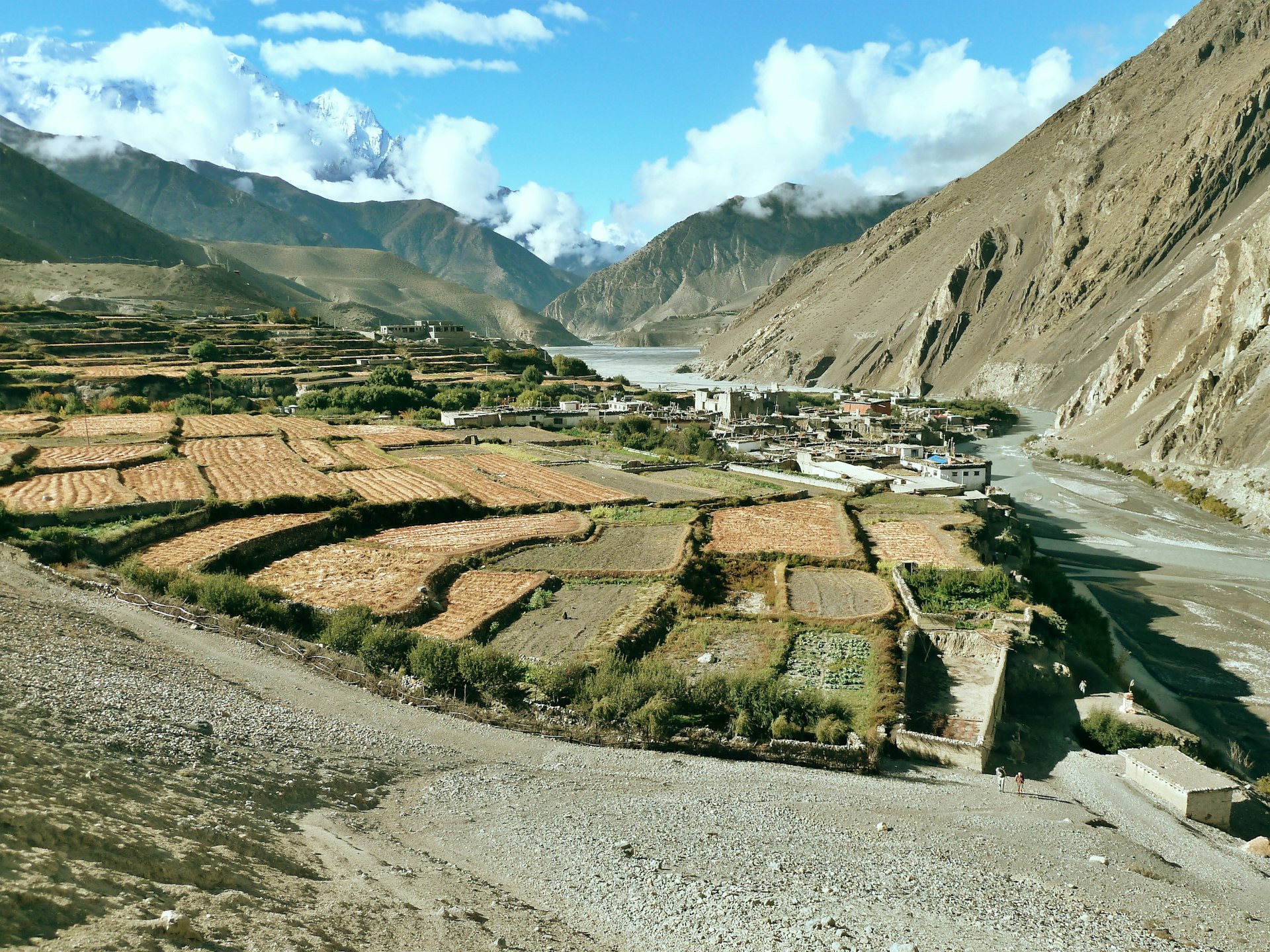
how altitude affects nutrition — terraced farming fields in the Himalayan mountains

Ask any Pahadi farmer why mountain food tastes different from what you buy in the city, and they will not give you a scientific answer. They will just shrug and say: “Yahan ki mitti alag hai.” The soil here is different. They are not wrong — but the full story goes well beyond soil. How altitude affects nutrition is now one of the more studied areas in food and agricultural science, and the findings consistently support what mountain communities have always known instinctively: crops grown higher up are chemically richer, more complex, and more nutritious than the same crops grown at sea level.

This matters for Fyonli because every ingredient we source — bhatt black soybean, mandua finger millet, jhangora barnyard millet, bhangjeera perilla seeds, raw mountain honey — comes from farms between 1,000 and 2,400 metres above sea level in Tehri Garhwal and the surrounding hill districts. The altitude is not incidental. It is the mechanism. This article explains the five ways how altitude affects nutrition in the crops that grow there, what the research actually shows, and why provenance is not just a marketing word — it is a nutritional fact.

In This Article


The Science: What Changes at High Altitude

To understand how altitude affects nutrition, you first need to understand what changes in the environment as you climb. The answer is: almost everything that matters to a plant.

  • UV-B radiation increases by approximately 4–10% for every 1,000 metres of altitude gained
  • Temperature drops by roughly 6°C per 1,000 metres on average — but the swing between day and night temperatures widens dramatically
  • Growing seasons shorten — crops take longer to mature and do so under more intense environmental stress
  • Atmospheric pressure falls — reducing available carbon dioxide and increasing the plant’s metabolic workload
  • Soil composition changes — mountain soils shaped by glacial erosion carry a different mineral profile than alluvial plains soils
  • Pest pressure drops sharply — cold temperatures suppress insect populations and fungal pathogens

Each of these factors influences what a plant produces inside its cells — not just its size or yield, but its actual biochemical composition. How altitude affects nutrition operates through each of these five pathways simultaneously. The result is not a small marginal difference. In some cases — anthocyanin content, mineral density, protein concentration — the difference between altitude-grown and plains-grown versions of the same crop is 30–100%.


UV Radiation: More Stress, More Antioxidants

This is the most directly documented mechanism through which how altitude affects nutrition becomes a measurable advantage. Plants cannot move away from intense UV light. Instead, they produce UV-absorbing compounds in their leaves, skin and seeds — essentially a biological sunscreen. These compounds include flavonoids, anthocyanins, polyphenols and carotenoids: the exact same molecules that human nutrition research consistently links to anti-inflammatory, antioxidant and anti-cancer activity.

The higher the altitude, the more UV-B the plant is exposed to. The more UV-B, the more of these protective compounds the plant produces. This is not a conjecture — it is a well-replicated finding across dozens of crop types. A search of published studies on altitude and polyphenol content returns consistent findings: mountain-grown samples of the same species outperform lowland-grown samples on antioxidant activity across the board.

The clearest commercial example of how altitude affects nutrition through UV exposure is tea. Darjeeling tea — grown at 600–2,000 metres in the Himalayan foothills — is consistently higher in catechins and polyphenols than Assam tea grown near sea level. The same plant, the same species, grown in the same country — but the flavour, the antioxidant profile and the biochemical complexity are measurably different. Altitude is the single variable that best explains the difference.

The same principle applies to every crop grown at altitude in Uttarakhand. The black skin of bhatt black soybean — rich in anthocyanins — is a direct response to UV stress. The dark colour of Himalayan mandua (finger millet) compared to plains-grown ragi reflects the same mechanism. Plants under UV stress are, nutritionally speaking, trying to protect themselves. And in doing so, they produce exactly the compounds that protect us.


Slow Growth and Nutrient Concentration

How altitude affects nutrition through growth rate is less dramatic to look at but equally significant. At 2,000 metres, average growing temperatures are 10–12°C lower than at sea level. Photosynthesis and cell division slow down. A crop that takes 90 days to mature on the plains takes 120–130 days in the hills. This extended growth period changes the internal chemistry of the seed or grain in a specific and important way: nutrients accumulate over a longer period, producing a denser final product.

Think of it as slow cooking versus fast cooking. A dal simmered for three hours has deeper flavour than one pressure-cooked in fifteen minutes — the longer process allows more complex reactions to complete. Mountain crops undergo something analogous at the cellular level. Mineral uptake from the soil continues over a longer period. Secondary metabolite synthesis — the plant’s production of protective compounds — has more time to run. The result is a grain, seed or pulse that contains more per gram than its faster-grown lowland equivalent.

This is why jhangora barnyard millet grown in Devprayag has a noticeably different nutritional profile and flavour depth compared to commercially grown sanwa millet from the plains — even though they are the same botanical species. The grain grown slowly in cold mountain conditions simply has more time to become what it is meant to be.


Glacial Soil — Minerals at the Source

A significant part of how altitude affects nutrition operates through the soil itself. Mountain soils in the Garhwal and Kumaon Himalayas are formed from the physical weathering of ancient rock — a process accelerated by glaciers, freeze-thaw cycles and the mechanical action of glacier-fed rivers. This glacial weathering produces very fine rock particles with high surface area, releasing minerals that have been locked inside bedrock for millions of years.

The result is a soil composition measurably higher in minerals like calcium, magnesium, zinc, iron and phosphorus than the alluvial plains soils that most of India’s commercial agriculture depends on. When crops are grown in mineral-rich mountain soil without chemical inputs that disrupt microbial activity, those minerals move up through the food chain — into the plant, into the seed, and eventually into you.

This is a direct explanation for why Uttarakhand mandua (finger millet) has a calcium content of 344mg per 100g — roughly three times the calcium in whole milk. Mandua grown in the same latitude at lower altitude does not consistently achieve this mineral density. The mountain soil is doing real nutritional work that flatland soil simply cannot replicate.

The FAO Mountain Partnership has documented this mineral advantage in mountain food systems across the world — noting that mountain-sourced foods tend to be higher in micronutrients than their lowland equivalents, a finding that has significant implications for food security and nutritional policy in highland regions.


Diurnal Temperature Range — Cold Nights, Warm Days

Another mechanism through which how altitude affects nutrition plays out is the diurnal temperature range — the difference between the highest and lowest temperature within a single 24-hour period. At sea level in India’s agricultural belt, this swing might be 8–12°C. At 2,000 metres in Uttarakhand, it is typically 18–25°C — sometimes more.

This matters because of how plants manage sugars. During warm days, photosynthesis runs at full speed, producing glucose and complex carbohydrates. During cold nights, the plant’s respiration — the process of consuming those sugars for energy — slows dramatically. The net result is that more sugars and complex metabolites accumulate in the plant tissue over time. This explains several well-known quality differences in mountain produce:

  • Mountain honey is sweeter and more aromatic than plains honey — partly because mountain flowers themselves are richer in nectar compounds produced in response to temperature stress
  • Himalayan apples (Himachal Pradesh, Kashmir) are crunchier, denser and higher in sugar than lowland apples — wide diurnal swings are the primary reason
  • High-altitude grains tend to have harder, denser seed coats — which means more fibre, more protective outer layer, and more concentrated nutrition per gram
  • Mountain spices — Himalayan turmeric, for example — consistently test higher in active compounds (curcumin) than plains-grown equivalents, with some varieties from Meghalaya and Uttarakhand reaching 5–7% curcumin versus the commercial average of 2–3%

Wide diurnal temperature range is also a key factor in why wine grapes grown at altitude produce more complex, higher-quality wine — a connection the global wine industry has understood for decades. How altitude affects nutrition through temperature swings is not unique to the Himalayas. It is a consistent pattern across mountain food systems worldwide.


Fewer Pests, Cleaner Chemistry

Cold mountain temperatures suppress insect pest populations dramatically. At 1,500–2,400 metres, the range of pests, fungi and pathogens that devastate lowland crops simply cannot survive consistently. This has two important consequences for how altitude affects nutrition in the food chain.

First, it means mountain farmers can — and traditionally do — grow their crops without pesticides. Not because they are following an organic certification programme, but because pests are not there in the same numbers. This is a structural feature of mountain agriculture, not a practice choice. The result is food that carries no synthetic pesticide residues — a benefit that no amount of washing or processing can replicate in a plains-grown crop that has been repeatedly sprayed.

Second, reduced pest pressure means the plant produces its own protective chemistry differently. When a plant is under constant attack from insects, it produces large amounts of certain anti-nutritional compounds as a defence mechanism. Mountain crops face less of this pressure. Their chemistry is cleaner, less defensive, and often more bioavailable — the nutrients are less locked up behind defensive plant structures.

Research by India’s own CSIR Institute of Himalayan Bioresource Technology has documented this in Himalayan medicinal plants — finding that altitude-grown samples consistently show higher concentrations of beneficial compounds and lower concentrations of anti-nutritional factors compared to lowland-cultivated equivalents.


The Himalayan Evidence: Five Crops and What the Data Shows

The clearest way to see how altitude affects nutrition is to look at specific crops grown in Uttarakhand’s hill districts and compare them with their commercial lowland equivalents. Here are five examples from Fyonli’s own ingredient range where the altitude advantage is backed by data:

1. Mandua (Finger Millet) — 344mg Calcium per 100g

Mandua grown in Uttarakhand’s hill districts at 1,000–2,500 metres consistently measures 344mg of calcium per 100g — approximately three times the calcium in whole milk and significantly higher than commercial ragi grown at lower altitudes in Karnataka or Andhra Pradesh. The mountain soil and slow growth cycle are the primary explanatory factors. This is the same grain, grown on the same continent, but at altitude it delivers a nutritional profile that flatland cultivation simply does not match.

2. Bhatt Black Soybean — Anthocyanins and ~40g Protein

Bhatt, Uttarakhand’s traditional black soybean, contains approximately 40g of protein per 100g — significantly higher than commercial yellow soybean (~36g). More importantly, its black skin is rich in anthocyanins: compounds entirely absent from yellow soybean. This anthocyanin production is a direct response to high UV exposure at altitude. The same UV stress mechanism that makes bhatt’s skin dark also makes it nutritionally superior to the commercial variety grown on the plains.

3. Bhangjeera (Perilla Seeds) — Omega-3 in the Wild

Bhangjeera (wild perilla seeds) grow naturally on the hillsides of Garhwal and Kumaon at altitudes between 1,200 and 2,200 metres. Wild mountain-growing perilla consistently tests higher in alpha-linolenic acid (ALA omega-3) than cultivated lowland perilla — a finding consistent with the general principle that stress-grown plants produce more protective lipid compounds. The wild-growing Himalayan variety delivers a higher omega-3 density per gram than commercially cultivated versions.

4. Raw Mountain Honey — Enzyme Richness and Polyphenol Diversity

Mountain honey from Garhwal draws nectar from dozens of wild mountain flowers, many of which produce nectar unusually rich in polyphenols and aromatic compounds — precisely because those flowers are themselves growing under UV stress at altitude. The diversity of altitude-adapted flowering plants available to mountain bees creates a honey with a far more complex polyphenol profile than monofloral or plains honey. How altitude affects nutrition is not limited to field crops — it runs through the entire mountain food ecosystem.

5. Gahat Dal (Horse Gram) — Protein and Phytochemical Density

Gahat (Himalayan horse gram) grown in Uttarakhand’s hill districts delivers approximately 22–24g of protein per 100g along with a range of phytochemicals — including flavonoids and tannins — at concentrations higher than plains-grown horse gram. Traditional Ayurvedic use of horse gram for kidney stone prevention and urinary health may reflect these elevated phytochemical concentrations, which are directly connected to the mountain growing environment.


A Balanced View: When Altitude Helps and When It Does Not

It is worth being honest about what the science does and does not say about how altitude affects nutrition, because the picture is not uniformly positive for every crop and every situation.

Where altitude clearly helps: Polyphenol and antioxidant content (via UV response), mineral density (via glacial soil and slower growth), essential oil and aromatic compound concentration (via temperature stress), protein density (via slower nitrogen metabolism), and pesticide-free production (via natural pest suppression).

Where the picture is more nuanced: At very high altitudes, thin soils and short growing seasons can reduce yield and even reduce certain macronutrient levels if growing conditions are extreme. Altitude alone is not sufficient — soil health, farming practice and crop variety also matter. A mountain farm that has been degraded by overuse or chemical inputs will not automatically produce nutritionally superior food just because it sits at 2,000 metres.

The key variable is therefore not altitude alone, but altitude in combination with traditional low-input farming on healthy mountain soil. This is why sourcing matters — and why understanding how altitude affects nutrition only tells half the story. The other half is how the land has been treated over time. Small-holder mountain farmers who have worked the same terraces for generations, with minimal external inputs, represent the best combination of these factors.


What This Means When You Choose Food

Understanding how altitude affects nutrition changes the framework for how to think about food provenance — not just for Himalayan products, but for food sourcing in general. Origin is not a premium marketing story layered on top of nutritional facts. In many cases, origin is the nutritional fact.

When you choose between supermarket ragi and Uttarakhand mandua, you are not choosing between two versions of the same product at different prices. You may be choosing between a product with 200mg of calcium per 100g and one with 344mg. When you choose between commercial yellow soybean and pahadi bhatt, you are choosing between a crop with no anthocyanins and one with a measurable black-skin antioxidant load. These differences are not claims — they are verifiable through standard laboratory analysis.

None of this means that lowland-grown food is valueless — it clearly is not. But it does mean that when a brand makes specific nutritional claims based on where their food comes from, that claim has a scientific basis. How altitude affects nutrition is not a vague wellness idea. It is a set of documented biochemical mechanisms that operate consistently and measurably in mountain food systems around the world.

If this is the food philosophy you want to shop by, Fyonli’s full range of mountain-sourced ingredients is available online — sourced directly from small-holder farmers in Tehri Garhwal and the surrounding Himalayan hill districts.


Frequently Asked Questions

Does altitude actually affect the nutritional content of food?

Yes — and the effect is measurable, not just theoretical. How altitude affects nutrition operates through five primary mechanisms: increased UV radiation driving antioxidant production, slower growth concentrating nutrients, glacial mineral soil enriching mineral content, wide diurnal temperature swings building flavour and chemical complexity, and reduced pest pressure keeping the plant’s chemistry clean. These are well-documented in plant science and food research literature, and the effects show up in laboratory analysis of altitude-grown versus lowland-grown versions of the same crops.

Why do mountain crops have more antioxidants?

Because UV-B radiation increases by approximately 4–10% per 1,000 metres of altitude, and plants respond to UV stress by producing UV-absorbing compounds — anthocyanins, flavonoids, polyphenols. These are precisely the compounds that function as antioxidants in the human body. Mountain plants produce more of them because they need more protection from intense high-altitude UV. When you eat those plants, you get that antioxidant protection too.

Is Himalayan food really more nutritious, or is that just marketing?

The science supports the claim for specific nutrients in specific crops — particularly antioxidant compounds (anthocyanins, polyphenols, flavonoids), mineral content (calcium, iron, magnesium, zinc), and essential oil / aromatic compound concentration. The mechanisms behind how altitude affects nutrition are real and documented. That said, altitude alone is not a guarantee — soil health, farming practice and crop variety also matter. Mountain food from well-maintained, low-input traditional farms is where the combination of these factors is most likely to deliver measurable nutritional advantage.

Which Himalayan foods benefit most from altitude?

Foods with coloured skins or pigments benefit most directly from the UV-antioxidant mechanism — dark grains, black-skinned pulses (bhatt), coloured spices and wild-growing seeds. Foods with high mineral content (mandua finger millet, gahat horse gram) benefit from the glacial soil effect. Aromatic foods — mountain honey, Himalayan herbs, altitude-grown spices — benefit from both the UV stress response and the diurnal temperature effect. In general, any traditionally grown crop from Uttarakhand’s hill districts at 1,000–2,400 metres benefits from some combination of these altitude mechanisms.

Can the same crops be grown at sea level with the same nutrition?

Not easily, no. You can grow the same botanical species at sea level, but you cannot replicate the UV exposure, temperature swing, mineral soil composition and slow cold-season growth that altitude provides. These are environmental conditions, not techniques. Some of the differences — antioxidant content, mineral density — are directly tied to environmental stressors that only occur naturally at altitude. How altitude affects nutrition is not something that can be reproduced by adding minerals to plains soil or growing under UV lamps. The mountain environment is the origin of the nutritional advantage, and it cannot be separated from the food without losing what makes it different.

Posted on 1 Comment

Bhatt (Black Soybean): What It Is, Where It Comes From, and Why Uttarakhand’s Ancient Dal Has 40g of Protein

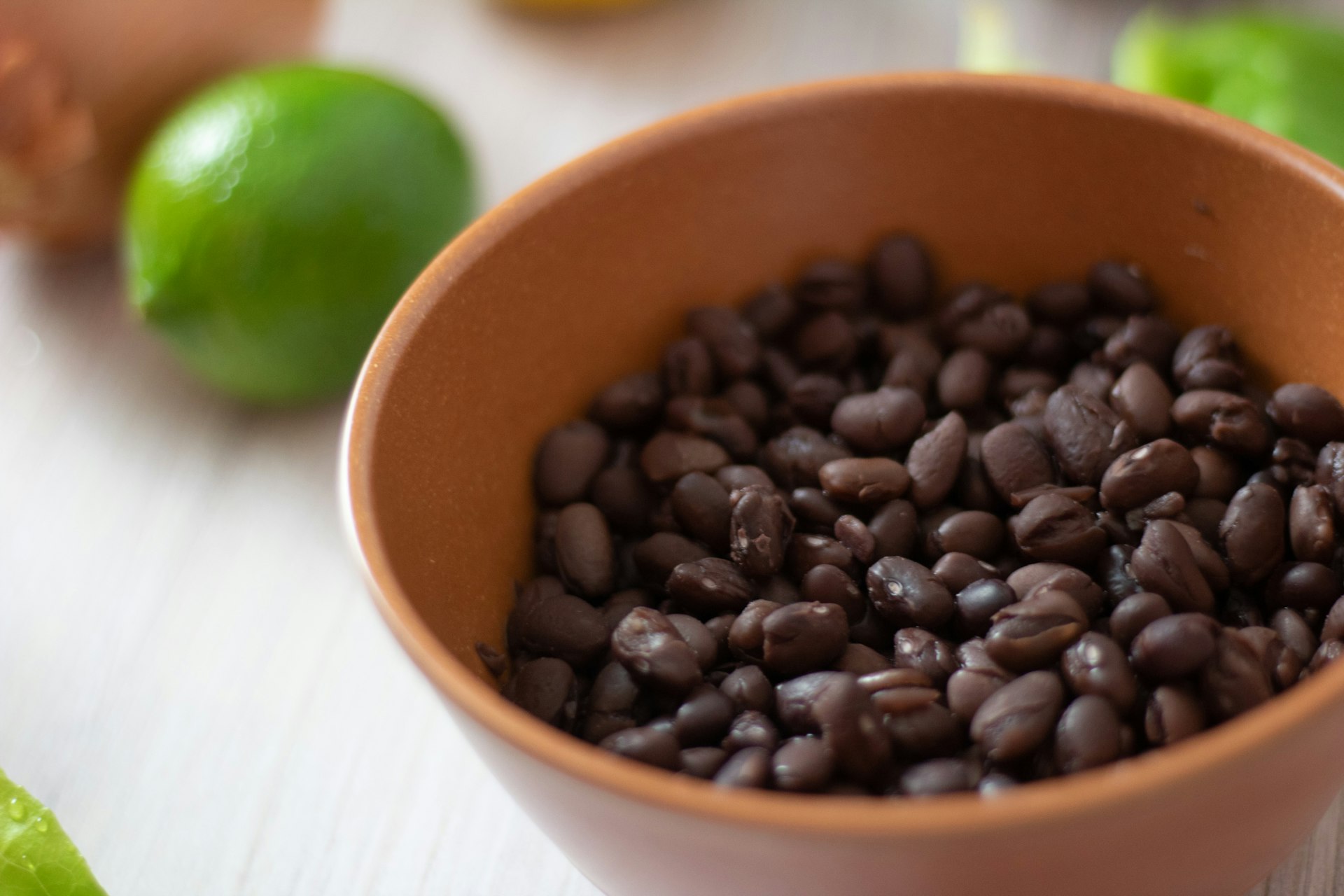
Bhatt black soybean from Uttarakhand in a bowl

Bhatt has been grown in the hills of Uttarakhand for at least three thousand years. It feeds families through winter. It appears in every traditional Pahadi thali. Ayurvedic texts reference it. And yet if you walk into any supermarket in Delhi or Mumbai, you will not find it — because bhatt is not a commercial crop. It has never been mass-produced. It has never been branded. It has simply been quietly grown, cooked and eaten by the people who know it best.

That is now changing. Bhatt — Uttarakhand’s traditional black soybean — contains approximately 40g of plant protein per 100g, making it one of the highest-protein pulses grown anywhere in India. Its black skin is loaded with anthocyanins, the same antioxidant compounds found in blueberries and black rice. And it grows at altitude on rain-fed terraced fields without chemical inputs, the way it has always been grown. This is a complete guide to what bhatt actually is, where it comes from, and why it deserves a place in modern Indian kitchens.

In This Article


What Is Bhatt (Black Soybean)?

Bhatt is the Garhwali and Kumaoni name for a traditional black soybean variety — botanically Glycine max, the same species as the commercial yellow soybean grown across the plains. What makes bhatt different is not the species but the variety: the seed coat is entirely black, the grain is noticeably smaller than commercial soybean, and the flavour is earthier, nuttier and more complex. This is not a superfood trend or a recently discovered ingredient. It is a staple that has been part of the Himalayan diet for centuries.

The word “bhatt” is used across Uttarakhand’s two main cultural regions — Garhwal and Kumaon — to refer to this specific black soybean variety, as distinct from yellow soybean or other legumes. In local usage it is also sometimes called Pahadi bhatt (mountain bhatt) or kala bhatt (black bhatt) to distinguish it from improved commercial varieties that look similar but are not the same thing.

Unlike commercial soybeans — which are grown in large quantities across Madhya Pradesh, Maharashtra and Rajasthan for oil extraction and animal feed — bhatt is grown exclusively on small terraced holdings in the Himalayan hills, primarily for direct consumption. It is not crushed for oil. It is not processed into textured vegetable protein. It is cooked whole, as a dal, just as it has always been.


Where Bhatt Comes From in Uttarakhand

Bhatt is grown primarily across the hill districts of Uttarakhand — Almora, Pithoragarh, Bageshwar, Chamoli, Rudraprayag and Tehri Garhwal. These are the same districts where most of Fyonli’s other ingredients come from: jhangora, gahat, mandua, bhangjeera. The growing altitude is typically between 1,000 and 2,400 metres above sea level, on rain-fed terraced fields carved directly into the hillside.

Bhatt is a kharif crop — sown in June after the monsoon breaks and harvested between October and November, once the pods have dried and begun to split. Like most traditional Pahadi crops, bhatt is grown without synthetic fertilisers or pesticides. Mountain soil is mineral-rich, water comes from rainfall and glacial streams, and the slow growing season at altitude produces a denser, more nutritionally concentrated grain than flatland cultivation can achieve.

Historically, bhatt was grown as a mixed crop — intercropped with mandua (finger millet), gahat (horse gram) and other legumes in a traditional farming system designed to maintain soil fertility without external inputs. Each crop fed the soil as well as the family. This polyculture approach is still practised by many older farmers in the hills, even as younger generations move away and agricultural land shrinks.


Bhatt Nutrition — What 100g Actually Contains

The nutritional profile of bhatt black soybean is exceptional — particularly for a plant-based food. Here are the key figures per 100g of dried whole bhatt:

  • Protein: ~40g — among the highest of any pulse or legume grown in India; comparable to chicken breast on a gram-for-gram basis
  • Iron: ~8.8mg — nearly 5× the iron in whole wheat; critical for blood formation and anaemia prevention
  • Calcium: ~220mg — close to the calcium content of milk per 100g; supports bone density and muscle function
  • Dietary Fibre: ~9g — feeds gut bacteria, slows digestion, and helps regulate blood sugar and cholesterol
  • Anthocyanins — concentrated in the black seed coat; powerful antioxidants with anti-inflammatory properties
  • Isoflavones — plant compounds with hormone-balancing effects, particularly relevant for women
  • Healthy fats: ~18g — predominantly unsaturated omega-6 and omega-3; zero cholesterol

What is particularly notable is the combination of protein, iron, calcium and anthocyanins in a single whole food. Most high-protein plant sources — lentils, chickpeas, moong — do not also carry significant antioxidant pigments. Bhatt’s black skin makes it unusual, and unusually complete.


6 Reasons Bhatt Belongs in Your Kitchen

1. The Highest Plant Protein of Any Indian Dal

At approximately 40g of protein per 100g, bhatt black soybean contains nearly twice the protein of toor dal (~22g), moong dal (~24g), chana dal (~20g) or rajma (~24g). It contains more protein than eggs on a gram-for-gram basis. For vegetarians, vegans, or anyone trying to eat more protein without meat or supplements, bhatt is one of the most efficient whole-food options available — and it fits naturally into a dal-rice meal that Indian kitchens already know how to cook.

2. Antioxidants You Cannot Get From Yellow Soybean

The black skin of bhatt is not just colour. It contains anthocyanins — the same class of antioxidant found in blueberries, black rice and purple cabbage. These compounds reduce oxidative stress, lower inflammation, and protect cells from chronic damage. Yellow soybean has none of this. When you cook bhatt, the water turns deep purple-black — that is the anthocyanin releasing. It is a visible sign of something genuinely nutritious happening in your pot.

3. Serious Iron for Serious Deficiency

Iron deficiency anaemia affects an estimated 50–60% of women in India. Bhatt contains around 8.8mg of iron per 100g — nearly five times more than white rice and significantly more than most common dals. Pair it with something acidic — a squeeze of lemon, a little tamarind, some tomato in the curry — and the non-haem iron becomes far more bioavailable. Traditional Uttarakhand recipes often include sour elements with bhatt. That may not be coincidence.

4. Hormone Balance via Isoflavones

Bhatt contains soy isoflavones — plant compounds that weakly mimic oestrogen in the body. Regular consumption of whole soy foods is associated with reduced hot flashes in menopausal women, better bone density, and a lower risk of certain hormone-related cancers. The important distinction is whole food versus processed: bhatt cooked as a dal is the right form. It is the form Pahadi women have eaten for generations, long before any of this was studied.

5. Good for Your Gut and Your Blood Sugar

Bhatt’s fibre content of around 9g per 100g feeds the gut microbiome, slows glucose absorption and helps reduce LDL cholesterol. Combined with its high protein, bhatt has a low glycaemic impact — it does not spike blood sugar the way white rice or refined wheat does. For diabetics or pre-diabetics, swapping a portion of white rice for bhatt dal several times a week can noticeably reduce post-meal glucose response.

6. Zero Cholesterol, Heart-Healthy Fats

Bhatt contains around 18g of fat per 100g, but almost all of it is unsaturated — including both omega-6 and omega-3 fatty acids. There is no cholesterol. For anyone replacing red meat or dairy-heavy meals with plant proteins, bhatt contributes to a fat profile that is genuinely cardiovascular-supportive, not just neutral.


Bhatt vs Yellow Soybean — The Real Differences

Bhatt and commercial yellow soybean are the same botanical species, but they are very different in practice. Here is an honest comparison:

  • Anthocyanins: Present in bhatt (black skin). Completely absent in yellow soybean.
  • Growing method: Bhatt is grown traditionally at altitude without chemical inputs. Commercial yellow soybean is a mass-production crop, typically grown with fertilisers and pesticides.
  • How it is eaten: Bhatt is cooked whole as a dal. Yellow soybean is mostly processed — into oil, textured vegetable protein, soy milk or tofu.
  • Flavour: Bhatt has a deeper, earthier, nuttier taste. Yellow soybean is relatively bland and benefits from heavy seasoning or processing.
  • Phytic acid: Both contain phytic acid, which reduces mineral absorption. Soaking bhatt overnight — as Pahadi cooks have always done — reduces this significantly. Cook in fresh water after soaking.
  • Availability: Yellow soybean is in every supermarket. Bhatt is only available from small Pahadi producers — which is why it is worth sourcing carefully.

How Bhatt Is Cooked in Uttarakhand

Bhatt has a central place in the traditional Pahadi kitchen — not as a special occasion food, but as an everyday protein that appears alongside rice, seasonal greens and pickles. The preparations are simple, unfussy and completely unforgiving of bad ingredients. That is part of what makes them good.

Bhatt ki Churdkani

The most beloved bhatt preparation in Kumaon. Churdkani means roughly “crushed” — soaked bhatt is pressure-cooked until very soft, then lightly mashed and finished with a tempering of ghee, cumin, garlic and dried red chilli. The result is thick, dark and deeply savoury. It is usually eaten with steamed rice and a side of green chilli pickle. If you cook nothing else from this post, cook this.

Bhatt ki Dal

A straightforward dal — soaked bhatt cooked until soft, then given a simple tadka of mustard oil, cumin, dry red chilli, garlic and a pinch of turmeric. Less rustic than churdkani, but still deeply flavoured. This is the everyday version — fast, filling and nutritionally complete when eaten with rice or mandua roti.

Bhatt ka Jholi

A thinner, curry-style preparation — cooked bhatt in a curd- or water-based sauce seasoned with dried red chillies, cumin and ginger. Jholi means “thin curry” in Garhwali. It is lighter than churdkani, with a slightly sour note from the curd. Often poured over boiled rice or served alongside rotis.


How to Cook Bhatt at Home

Bhatt needs more preparation time than a lentil but is straightforward to cook. The key is not to rush the soaking.

Step 1 — Soak (8–12 hours)

Rinse the bhatt well and soak in cold water overnight. Soaking is not optional. Unsoaked black soybean is very hard, takes much longer to cook, and retains more phytic acid, which blocks mineral absorption. The soaking water turns dark purple from the anthocyanins — discard it, rinse the beans, and cook in fresh water.

Step 2 — Pressure Cook

Add soaked bhatt to a pressure cooker with fresh water — about 3 times the volume of the beans — and a pinch of salt. Cook on medium heat for 4–5 whistles. Let the pressure release naturally before opening. The bhatt should be completely soft and easily crushed between your fingers. If still firm, cook for 1–2 more whistles.

Step 3 — Temper

Heat mustard oil or ghee in a pan until it shimmers. Add cumin seeds and let them splutter. Add sliced garlic and a dried red chilli. Add the cooked bhatt with its cooking water. Season with salt, turmeric, and optionally a small pinch of garam masala. Simmer for 5–8 minutes until the flavours come together. Total active time after soaking: about 15 minutes. Serves 2–3 as part of a meal.


Frequently Asked Questions

What is bhatt in English?

Bhatt is the Garhwali and Kumaoni word for a traditional black soybean variety native to the hills of Uttarakhand. In English it is most accurately described as “Himalayan black soybean” or “Pahadi black soybean.” Its botanical name is Glycine max — the same species as commercial yellow soybean, but a distinct heirloom variety with a black seed coat and a richer nutritional profile.

How much protein does bhatt have?

Approximately 40g of protein per 100g of dried bhatt — making it one of the highest-protein plant foods you can cook as a dal. For comparison: toor dal has around 22g, moong dal around 24g, and chickpeas around 19g. A typical serving of 50g dry bhatt provides roughly 18–20g of protein once cooked.

Is bhatt the same as regular soybean?

Same species, very different in practice. Bhatt is a traditional heirloom variety grown at altitude in Uttarakhand without chemical inputs, eaten whole as a dal. Commercial yellow soybean is a modern mass-production crop, mostly processed into oil, soy milk or textured protein. The biggest practical difference: bhatt has a black skin with anthocyanins that yellow soybean simply does not have.

Is bhatt good for weight loss?

For most people, yes. Bhatt is high in protein — which increases satiety and reduces total calorie intake — and high in fibre, which slows digestion and keeps you fuller for longer. It has a low glycaemic impact, so it does not cause the spike-and-crash cycle that white rice or processed carbs can trigger. Replacing a higher-glycaemic meal component with bhatt dal is a simple, effective way to improve both satiety and nutritional density without counting calories.

Does bhatt need to be soaked before cooking?

Yes — 8 to 12 hours, overnight is easiest. Without soaking, bhatt takes much longer to cook, stays tougher in texture, and retains more phytic acid, which reduces how much iron and calcium your body can absorb. After soaking, discard the water, rinse, and cook in fresh water. This is how it has always been prepared in Uttarakhand kitchens — not as a modern nutritional tip, but as practical mountain cooking knowledge passed down through generations.

Where can I buy authentic Pahadi bhatt online?

Authentic bhatt from Uttarakhand’s hill districts is available from small-batch Himalayan food brands that source directly from farmers. Fyonli sources bhatt directly from small-holder farmers in Tehri Garhwal — the same mountain growing region as our other ingredients. Available at thefyonli.com.

Posted on Leave a comment

Mandua (Finger Millet): 7 Proven Benefits of Uttarakhand’s Most Calcium-Rich Mountain Grain

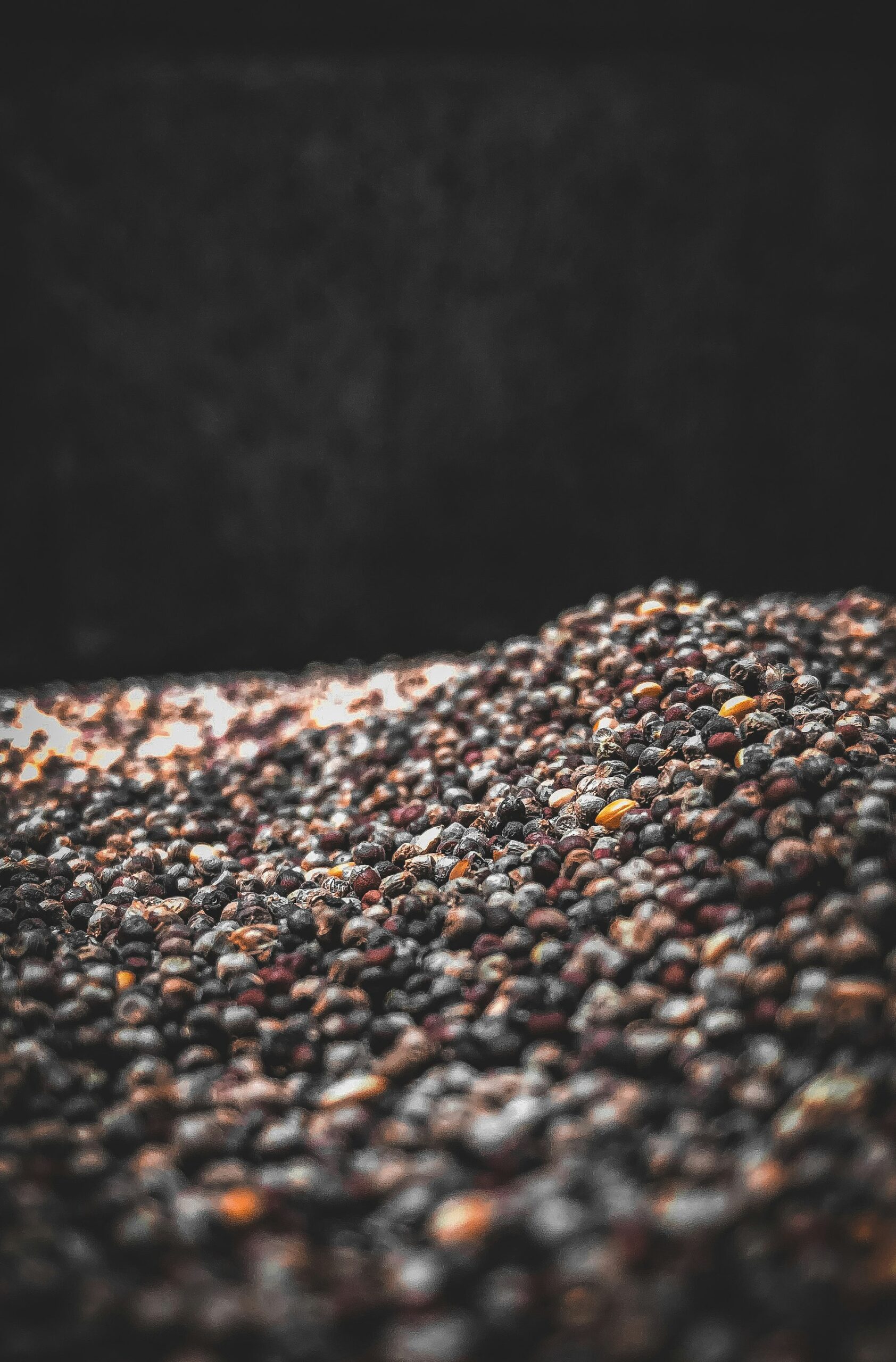
Mandua finger millet grains from Uttarakhand Himalayas

Mandua — finger millet’s Garhwali name — is one of the oldest cultivated grains in the Himalayan food system and, nutritionally, one of the most extraordinary cereals grown anywhere in India. Known as Ragi in South India, Koda in Nepal, and Mandua or Madua across Uttarakhand and Himachal Pradesh, this small, dark-brown grain has been the dietary backbone of Himalayan mountain communities for over three thousand years.

The rest of India is only now beginning to understand what Uttarakhand has always known: mandua millet is not a poor man’s grain. It is a nutritional powerhouse — containing more calcium than milk, more iron than most cereals, more fibre than wheat, and a glycaemic index low enough to make it one of the best grains for diabetics. This is a complete, evidence-based guide to mandua millet benefits, its Himalayan origins, and how to bring it into your daily diet.

In This Article


What Is Mandua (Finger Millet)?

Mandua is the local Garhwali and Kumaoni name for finger millet — the cereal grain scientifically known as Eleusine coracana. The name “finger millet” comes from the shape of its seed head, which branches into five to six finger-like spikes radiating outward from a central point. The grain itself is tiny — roughly 1–2mm — and ranges from deep brown to reddish-purple depending on the variety.

It is the same grain known as Ragi in Karnataka, Tamil Nadu, and Andhra Pradesh; as Nachni in Maharashtra; as Kodo in parts of Nepal; and as Mandua, Madua or Marua across the Himalayan belt of Uttarakhand and Himachal Pradesh. Despite its many regional names, finger millet is a single species — one of Africa’s original domesticated grains, later carried across trade routes into South Asia, where it has been grown for at least 3,000 years.

In Uttarakhand, mandua millet is one of the three foundational crops of the Himalayan farming system — alongside jhangora (barnyard millet) and gahat (horse gram). It grows on rain-fed terraced fields at altitudes between 1,000 and 2,500 metres, requires minimal inputs, and is uniquely adapted to the short growing season and erratic rainfall patterns of mountain agriculture.


Where Uttarakhand’s Mandua Comes From

The most prized mandua in Uttarakhand is grown across the hill districts of Pauri Garhwal, Chamoli, Tehri Garhwal, Almora, and Pithoragarh — where the combination of high altitude, clean mountain air, and mineral-rich, glacier-fed soil creates conditions that produce a denser, more nutritious grain than flatland cultivation can achieve.

Uttarakhand farmers typically sow mandua in June after the monsoon breaks and harvest it between October and November. The entire crop is grown on rain-fed terraced fields without irrigation infrastructure, which means the grain matures slowly, absorbing soil minerals over a longer period than commercially grown ragi from Karnataka or Andhra Pradesh.

This slow mountain growing cycle is part of why Uttarakhand mandua has a noticeably deeper flavour and darker colour than commercially grown ragi — and why traditional Pahadi households have always treated it as a medicine as much as a food.


Mandua Nutrition — What the Numbers Show

Mandua millet’s nutritional profile is what sets it apart from almost every other cereal grain available in India. Here are the headline numbers per 100g of whole mandua grain:

  • Calcium: 344mg — the highest calcium content of any cereal grain; approximately 3× more than whole milk (120mg per 100ml)
  • Iron: 3.9mg — significantly higher than wheat (2.7mg) and white rice (0.7mg)
  • Protein: 7.3g — comparable to wheat, more than rice
  • Dietary Fibre: 3.6g — supports gut health, digestion and blood sugar regulation
  • Magnesium: 137mg — important for muscle function, nerve health and cardiac rhythm
  • Phosphorus: 283mg — works alongside calcium for bone mineralisation
  • Energy: 336 kcal — comparable to wheat; more energy-dense than rice
  • Glycaemic Index: ~54 — classified as a low-GI food (below 55)

No other commonly consumed cereal grain in India comes close to mandua’s calcium content. This single nutritional fact — 344mg calcium per 100g — is the reason traditional Himalayan communities gave mandua to children, pregnant women, nursing mothers, and the elderly as a matter of course, long before any of this was quantified in a laboratory.


7 Proven Mandua Millet Benefits

1. Bone Health — More Calcium Than Milk

At 344mg of calcium per 100g, mandua millet contains more calcium than milk (approximately 120mg per 100ml), more than paneer (approximately 200mg per 100g), and more than any other cereal grain grown in India. For vegetarian households, children in growing years, post-menopausal women, and older adults at risk of osteoporosis, mandua millet is genuinely one of the most effective dietary calcium sources available — and it costs a fraction of dairy-based supplementation.

The calcium in mandua is accompanied by phosphorus (283mg/100g) and magnesium (137mg/100g) — both cofactors that support calcium absorption and bone mineralisation. This combination makes mandua millet more effective for bone health than a calcium supplement taken in isolation.

2. Blood Sugar Control — A Low Glycaemic Index Grain

Mandua millet has a glycaemic index of approximately 54 — well below the threshold of 55 that classifies a food as low-GI. White rice has a GI of around 72. White bread sits at 75. This means mandua millet releases glucose into the bloodstream slowly and steadily, avoiding the sharp post-meal blood sugar spike and the energy crash that follows it.

For people managing Type 2 diabetes, pre-diabetes, or insulin resistance, switching from white rice to mandua as the primary grain in at least one daily meal can produce a measurable reduction in post-prandial (after-meal) glucose levels. Multiple studies on finger millet have confirmed this effect, with some research specifically on Uttarakhand mandua varieties showing strong anti-diabetic properties linked to polyphenols naturally present in the grain’s seed coat.

3. Anaemia Prevention — Significant Iron and Folate

Iron deficiency anaemia affects approximately 50% of Indian women and over 40% of children under five — making it one of the most significant nutritional problems in the country. Mandua millet contains 3.9mg of iron per 100g — more than five times the iron content of polished white rice (0.7mg). For a vegetarian population that cannot rely on haem iron from meat, mandua is one of the most practical dietary iron sources available.

Traditional Himalayan practice of giving mandua roti to pregnant women and young children was, unknowingly, addressing exactly this problem — and doing so effectively for thousands of years before iron supplementation existed.

4. Weight Management — Fibre-Rich and Deeply Satisfying

Mandua millet’s 3.6g of dietary fibre per 100g slows gastric emptying — meaning food moves more slowly through the digestive system after a mandua-based meal. This produces prolonged satiety: you stay full for longer, eat less at the next meal, and experience fewer hunger-driven snacking impulses.

At 336 kcal per 100g, mandua is comparable in caloric density to wheat. But because it keeps you full for significantly longer, the net caloric intake over a day is typically lower for people who eat mandua regularly compared to those eating refined wheat or white rice. This is one of the reasons mandua millet has become popular in weight management diets and among athletes managing body composition.

5. Heart Health — Magnesium, Potassium and Cholesterol Management

Mandua millet is rich in magnesium (137mg per 100g) — a mineral that plays a direct role in maintaining healthy cardiac rhythm, reducing arterial stiffness, and supporting the body’s natural blood pressure regulation mechanisms. A diet consistently deficient in magnesium is associated with increased cardiovascular risk; mandua is one of the simplest whole-food ways to address this deficiency.

Research on finger millet has also indicated cholesterol-lowering effects — specifically, regular consumption appears to reduce LDL (“bad”) cholesterol while maintaining HDL (“good”) cholesterol levels, an effect attributed to its polyphenol and dietary fibre content working together.

6. Digestive Health — Prebiotic Fibre and Gut Support

The dietary fibre in mandua millet functions as a prebiotic — feeding beneficial gut bacteria and supporting a healthy gut microbiome. A thriving gut microbiome is now understood to have far-reaching effects beyond digestion alone: it influences immune function, mood regulation, metabolic efficiency, and even skin health.

For people suffering from chronic constipation, irregular bowel movements, or bloating, incorporating mandua millet into two to three meals per week consistently improves digestive regularity — without the need for fibre supplements or laxatives.

7. Naturally Gluten-Free — Safe for Celiac and Gluten Sensitivity

Mandua millet is completely gluten-free — not because it has been processed to remove gluten, but because it never contained gluten in the first place. For people with celiac disease, non-celiac gluten sensitivity, or wheat allergy, mandua offers a nutritionally superior gluten-free grain option that does not require any special processing, fortification, or substitution strategy.

Unlike most commercial gluten-free products (which are typically made from refined rice flour or starch and offer little nutritional value), mandua millet flour retains its complete nutritional profile — calcium, iron, protein, fibre — making it one of the most nutritionally complete gluten-free staples available.


Mandua vs Wheat vs Rice — A Direct Comparison

Placing mandua millet alongside the two grains it most commonly replaces in the Indian kitchen makes its nutritional advantage unmistakable:

  • Calcium: Mandua 344mg | Wheat 41mg | White Rice 10mg — Mandua wins by a factor of 8–34×
  • Iron: Mandua 3.9mg | Wheat 2.7mg | White Rice 0.7mg — Mandua leads on iron
  • Glycaemic Index: Mandua ~54 | Wheat ~69 | White Rice ~72 — Mandua is the clear low-GI choice
  • Gluten: Mandua — None | Wheat — High | Rice — None
  • Magnesium: Mandua 137mg | Wheat 138mg | White Rice 25mg — Mandua and wheat comparable; both far above rice

The only category where mandua does not clearly outperform is taste versatility in its whole grain form — it requires more preparation than white rice. But in flour form (mandua atta), it can replace wheat flour in rotis, parathas, dosas, porridge, and baked goods with very little adjustment to existing recipes.


How Mandua Is Used in Traditional Uttarakhand Cooking

In Uttarakhand, mandua has been ground into flour (mandua atta) and used as the primary roti grain for centuries — particularly in winter, when its warming, calorie-dense, and mineral-rich properties made it the ideal fuel for agricultural communities working at altitude in cold temperatures.

The traditional Pahadi preparation is Mandua ki Roti — a slightly thicker, darker flatbread made from whole mandua flour, typically served with ghee, pahadi dal, or aloo ke gutke. The flavour is earthier and nuttier than wheat roti, with a mildly bitter edge that Pahadi cooks balance with a generous pour of desi ghee.

Other traditional preparations include:

  • Mandua ka Halwa — a slow-cooked flour and ghee halwa traditionally made for new mothers after childbirth, specifically for its bone-strengthening calcium content
  • Mandua ki Khichdi — whole mandua grain slow-cooked with mountain lentils into a thick, warming winter porridge
  • Mandua ke Biscuit — a dry, twice-baked cracker made in mountain households as a long-lasting travel food for shepherds and traders moving between villages
  • Mandua ki Kanji — a thin fermented porridge made for infants being weaned, valued for its gentle digestibility and high calcium content

Every one of these preparations was built around an intuitive understanding of mandua millet’s nutritional properties — even if the word “calcium” was never used.


How to Add Mandua to Your Daily Diet

The simplest way to start with mandua is to replace 25–50% of the wheat flour in your regular roti dough with mandua atta. The texture will be slightly denser and the colour darker, but the flavour is complementary to most Indian accompaniments — dal, sabzi, pickle, ghee. Increase the proportion gradually as your household adjusts to the taste.

Other practical entry points:

  • Morning porridge: Roast mandua atta lightly in a dry pan, then cook with milk or water, jaggery and cardamom for a high-calcium breakfast that keeps you full through the morning
  • Dosa batter: Replace 30% of the rice flour in your dosa batter with mandua atta — you get a crispier, more nutritious dosa with a pleasant earthy note
  • Smoothies: Add a tablespoon of roasted mandua flour to a banana smoothie — it thickens the smoothie and adds calcium without significantly changing the flavour
  • Whole grain preparation: Soak whole mandua grain for 8 hours, then pressure cook for 3–4 whistles. Use as a rice substitute or add to salads and grain bowls

Frequently Asked Questions

What is mandua millet called in English?

Mandua is the Garhwali and Kumaoni name for finger millet — the cereal grain scientifically called Eleusine coracana. It is also known as Ragi (Karnataka, Tamil Nadu, Andhra Pradesh), Nachni (Maharashtra), Kodo or Koda (Nepal), and Marua across the Himalayan belt. All names refer to the same grain.

Does mandua millet really have more calcium than milk?

Yes. Whole mandua grain contains approximately 344mg of calcium per 100g. Full-fat milk contains approximately 120mg per 100ml. On a weight-for-weight basis, mandua millet has nearly three times more calcium than milk — making it one of the highest natural dietary calcium sources available in the Indian food system, particularly valuable for lactose-intolerant individuals and vegans.

Is mandua good for diabetics?

Yes — mandua millet is one of the most suitable grains for people managing diabetes or blood sugar regulation. Its glycaemic index of approximately 54 is classified as low (below 55), compared to white rice (GI ~72) and white bread (GI ~75). This means mandua releases glucose slowly, preventing the sharp post-meal blood sugar spikes associated with high-GI grains. Its polyphenol content also has documented anti-diabetic properties.

Is Uttarakhand mandua different from South Indian ragi?

Botanically they are the same species — Eleusine coracana. However, the growing conditions are significantly different. Uttarakhand mandua is grown at high altitude (1,000–2,500m) on rain-fed terraced fields in mineral-rich mountain soil, with a slow growing season and no chemical inputs. The resulting grain tends to be darker, denser, and more flavourful than commercially produced ragi from flatland farms in Karnataka or Andhra Pradesh.

How much mandua should I eat per day?

There is no fixed prescription, but a practical daily serving is 80–100g of mandua flour (2–3 rotis) or 60–80g of whole grain. At 100g, you receive approximately 344mg of calcium — about one third of the adult recommended daily intake of 1,000mg — along with meaningful amounts of iron, fibre, magnesium and protein. Starting with one mandua meal per day and increasing gradually is the easiest approach for most households.

Is mandua gluten-free?

Yes. Mandua millet is completely and naturally gluten-free. It contains no gluten proteins and is safe for people with celiac disease, non-celiac gluten sensitivity, and wheat allergy. Unlike processed gluten-free products, mandua retains its full nutritional profile — calcium, iron, fibre — without any need for fortification or special processing.