
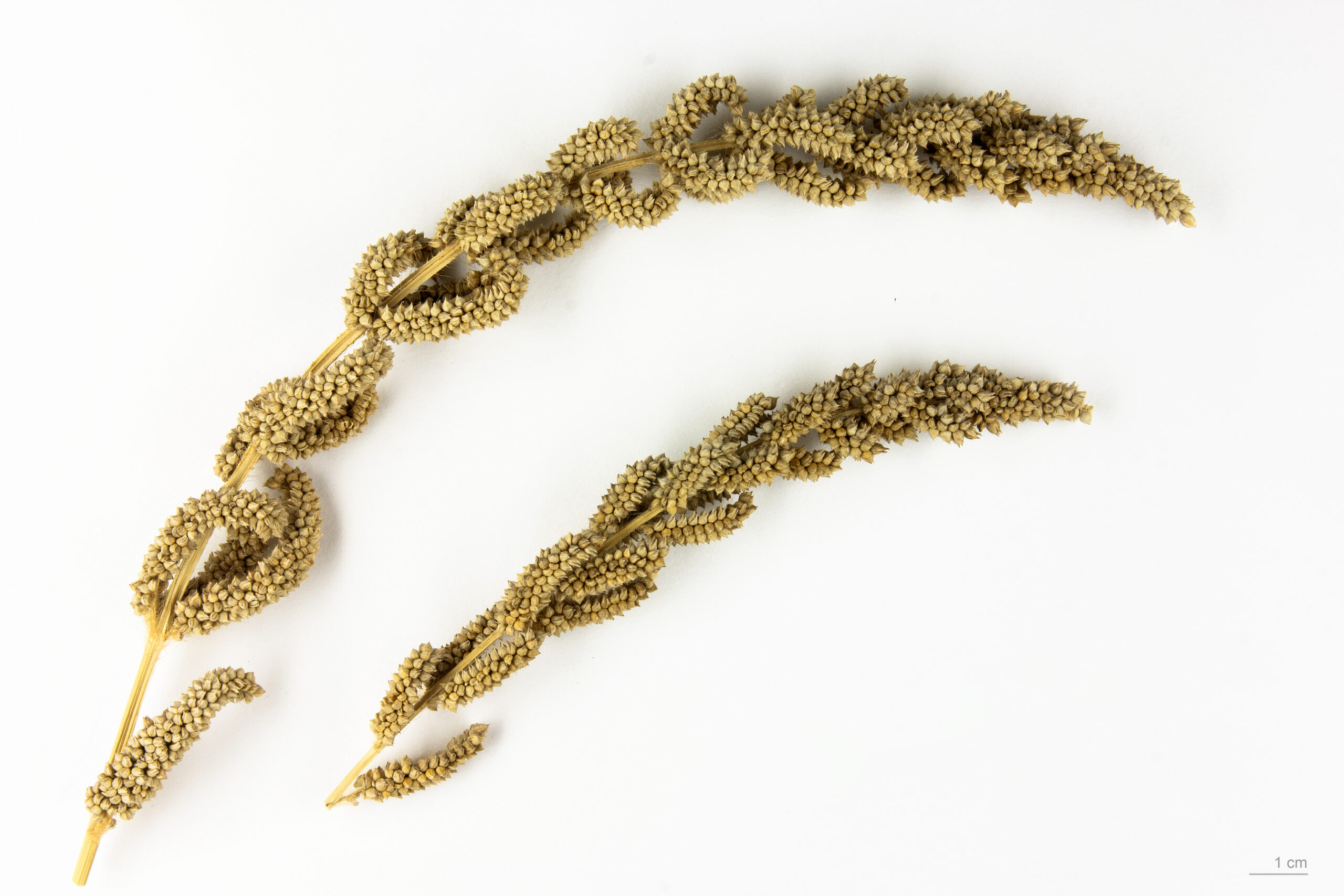
Jhangora is barnyard millet — the local Garhwali name for Echinochloa frumentacea, a small, white, gluten-free grain grown on the terraced hillside farms of Uttarakhand for over 2,000 years. Also called Sanwa in Hindi and Sama in fasting traditions, jhangora is one of the most nutritionally complete millets available in India — with the highest dietary fibre of any commonly eaten millet, a low glycaemic index, and a Himalayan origin that makes its variety genuinely distinct.
If you are new to millets, or specifically trying to understand where jhangora sits in the millet category and how it compares to ragi, bajra, jowar, and foxtail millet — this guide covers exactly that.
In This Article
- What Is Jhangora? The Quick Answer
- Where Jhangora Fits in the Millet Family
- Jhangora vs Other Millets — Head-to-Head
- 5 Key Health Benefits of Jhangora
- Jhangora for Navratri and Ekadashi Fasting
- Jhangora in Ayurveda
- The Uttarakhand Altitude Advantage
- Frequently Asked Questions
What Is Jhangora? The Quick Answer
Jhangora is the Uttarakhand name for barnyard millet, one of the eight millets recognised and promoted by the Indian government under its Millet Mission. Its scientific name is Echinochloa frumentacea. It is called Sanwa or Samak in Hindi, Kuthiraivalli in Tamil, and Oodalu in Kannada — the same grain, known by different names across India’s regional food traditions.
In Uttarakhand’s Garhwal and Kumaon hills, jhangora has been a daily staple grain for thousands of years — eaten as a rice substitute, cooked into kheer, made into khichdi, and used as a fasting-approved grain during Navratri and Ekadashi. It grows naturally at altitudes between 400 and 2,100 metres on rain-fed terraced farms with no irrigation and no synthetic fertiliser.
Uttarakhand jhangora has a pending Geographical Indication (GI) tag — a formal recognition that this specific Himalayan variety, grown in this specific terrain, is distinct from barnyard millet grown in the plains.
Where Jhangora Fits in the Millet Family
India grows and eats eight major millets. Understanding where jhangora sits in that family helps clarify what makes it different and who should prioritise it.
- Ragi (Finger Millet) — the calcium king; best for bone health and growing children
- Bajra (Pearl Millet) — highest protein and iron; widely eaten across Rajasthan and Gujarat
- Jowar (Sorghum) — mild, versatile; good for chapatis and rotis
- Foxtail Millet (Kangni) — high protein, high fibre; popular in South India
- Little Millet (Kutki) — high iron; used extensively in tribal food traditions
- Kodo Millet — antidiabetic properties; used in Chhattisgarh and Madhya Pradesh
- Proso Millet — fast-growing; relatively mild nutritional profile
- Jhangora / Barnyard Millet — highest fibre of any millet; lowest glycaemic index; fasting-approved; Himalayan origin
Each millet has a specific nutritional strength. Jhangora’s position is clear: it is the fibre champion of the millet family, and the grain best suited to blood sugar management, weight control, and fasting traditions.
Jhangora vs Other Millets — Head-to-Head
This is where the numbers tell the story. All values are per 100g raw grain (source: ICMR-NIN National Food Composition Tables).
| Millet | Calories | Protein | Dietary Fibre | Iron | GI | Gluten-Free |
|---|---|---|---|---|---|---|
| Jhangora (Barnyard) | 307 kcal | 6.2g | 9.8g | 2.9mg | ~50 (Low) | Yes |
| Ragi (Finger Millet) | 336 kcal | 7.3g | 3.6g | 3.9mg | ~65 | Yes |
| Bajra (Pearl Millet) | 361 kcal | 11.6g | 1.2g | 16.9mg | ~55 | Yes |
| Jowar (Sorghum) | 349 kcal | 10.4g | 1.8g | 4.1mg | ~55 | Yes |
| Foxtail Millet | 351 kcal | 12.3g | 8.0g | 2.8mg | ~50 | Yes |
| Little Millet | 341 kcal | 7.7g | 7.6g | 9.3mg | ~50 | Yes |
What the table shows: Jhangora has the highest dietary fibre (9.8g) of any millet in the comparison — more than double the fibre of ragi, jowar, and bajra. Its glycaemic index (~50) is among the lowest. The trade-off: its protein (6.2g) is lower than bajra, jowar, or foxtail millet. If your priority is fibre and blood sugar stability, jhangora is the clear choice. If your priority is maximum protein, foxtail millet or bajra serves better.
One thing the table cannot show: origin and growing conditions. Jhangora from Uttarakhand’s Himalayan farms is a genuinely different product from commercially grown barnyard millet. Altitude, soil mineralogy, and traditional seed varieties all affect the final grain — a difference you taste and feel.
5 Key Health Benefits of Jhangora
1. The Highest Fibre of Any Commonly Eaten Millet
At 9.8g of dietary fibre per 100g, jhangora delivers more fibre than ragi, bajra, jowar, and most other millets. This matters for three reasons: gut health and regular digestion; sustained fullness after meals (meaning you eat less overall); and cholesterol management, as dietary fibre binds to bile acids and reduces LDL reabsorption. A single serving of jhangora provides a substantial contribution to the 25–30g daily fibre target that most Indians do not reach.
2. Low Glycaemic Index — Stable Energy Throughout the Day
Jhangora’s glycaemic index of approximately 50 puts it in the low-GI category. This means it releases glucose slowly into the bloodstream rather than causing a sharp spike and subsequent energy crash. For anyone managing blood sugar — or simply wanting to avoid the 3pm energy slump after lunch — switching from white rice or wheat rotis to jhangora at one meal a day is a straightforward, evidence-backed choice. Our deeper guide on Jhangora Barnyard Millet covers the diabetes angle in full.
3. Genuine Support for Weight Management
The combination of high fibre, low GI, and moderate calories (307 kcal per 100g — lower than ragi, bajra, jowar, or foxtail millet) makes jhangora one of the most weight-management-appropriate grains available. Fibre creates satiety; low GI prevents hunger-triggering blood sugar crashes; and the slightly lower caloric density means you can eat a satisfying portion without overconsumption. Replacing white rice with jhangora at one meal per day is a single dietary change with a measurable calorie and fibre impact.
4. Antioxidants and Phenolic Compounds Not Found in Refined Grains
Jhangora barnyard millet contains phenolic acids and flavonoids — plant antioxidants that reduce oxidative stress, support cellular health, and help manage chronic low-grade inflammation. These compounds are present in the outer bran layer of the grain, which is retained in minimally processed jhangora. They do not appear on a nutrition label but form a significant part of the grain’s traditional health reputation across Himalayan food medicine.
5. Naturally Gluten-Free and Easy to Digest
Like all millets, jhangora is naturally gluten-free — not processed to remove gluten but genuinely free of it by nature. For those with gluten sensitivity, coeliac disease, or wheat intolerance, jhangora is a safe, filling, and nutritionally complete alternative. It is also generally well-tolerated by people with sensitive digestion — lighter on the stomach than wheat and with none of the digestive heaviness that refined grains often cause.
Jhangora for Navratri and Ekadashi Fasting
One of the most important traditional uses of jhangora — and one that explains its enduring place in North Indian kitchens — is as a fasting grain.
During Navratri, Ekadashi, and Maha Shivratri, Hindu fasting traditions prohibit the consumption of cereals — wheat, rice, barley, oats, and regular corn. Millets, however, are not classified as cereals under these fasting rules. Jhangora (barnyard millet) is specifically listed as an acceptable fasting grain in most North Indian fasting traditions, alongside Sama rice (which is actually a different millet — little millet / Proso millet), singhara atta, and kuttu (buckwheat).
This makes jhangora uniquely useful: it provides complex carbohydrates, sustained energy, and genuine fullness during fasting periods — without the blood sugar crash that comes from sugar-based fasting snacks like fruits, dairy sweets, or sabudana prepared with lots of ghee and potato.
Common jhangora fasting preparations:
- Jhangora khichdi — cooked with sendha namak (rock salt), ghee, and cumin; no onion, no garlic
- Jhangore ki kheer — cooked in full-fat milk with sugar and cardamom; a Pahadi festival dessert
- Jhangora upma — tempered with ghee, green chilli, and mild spices permitted during fasting
Pahadi families in Uttarakhand have eaten jhangora through every fast and festival for centuries — long before “fasting superfoods” became a marketing category.
Jhangora in Ayurveda
Ayurvedic texts classify jhangora (referred to as Shyamaka in Sanskrit) as a light, easy-to-digest grain with cooling, balancing properties. It is recommended in Ayurveda for:
- Digestive disorders — its lightness makes it suitable for people with sluggish digestion, bloating, or IBS
- Fever and convalescence — jhangora gruel (kanji) was traditionally prescribed during illness for its easy digestibility and hydrating properties
- Pitta and Kapha imbalance — its cooling nature helps pacify excess heat (Pitta) and its fibre content helps clear Kapha accumulation
- Weight management — Ayurveda classifies it as Laghu (light) and Grahi (absorbent), properties associated with healthy weight maintenance
The Ayurvedic view of jhangora aligns closely with what modern nutritional science confirms: a grain that is easy on the digestive system, slow to release energy, and supportive of healthy weight and stable metabolism.
The Uttarakhand Altitude Advantage
Not all jhangora is the same. The barnyard millet grown on the terraced hillside farms of Uttarakhand — in districts like Tehri Garhwal, Devprayag, Chamoli, and Pauri Garhwal — is a different product from commercially grown barnyard millet cultivated in flat, irrigated plains.
Three factors explain why altitude matters:
Slower Maturation = Denser Grain
At altitudes above 1,000 metres, cooler temperatures slow the growth cycle of the jhangora plant. A slower maturation allows more time for the grain to accumulate nutrients, develop flavour compounds, and build denser cellular structure. Plains-grown jhangora matures faster under warmer conditions — producing a larger but nutritionally thinner grain.
Himalayan Soil Mineralogy
Uttarakhand’s terraced farms sit on weathered Himalayan rock — rich in trace minerals including zinc, magnesium, and silica that are often depleted in intensively farmed plains soil. Crops absorb minerals from soil; mineral-rich soil produces mineral-rich grain. This is the biochemical basis for why mountain-grown grains and pulses have different nutritional profiles from their plains-grown equivalents.
No Synthetic Inputs
Pahadi mountain farming is inherently low-input — steep terrain, lack of irrigation infrastructure, and the traditional farming knowledge of Garhwali and Kumaoni communities means these farms have never relied on chemical fertilisers or pesticides. The jhangora grows in genuine organic conditions, not certified-but-converted organic conditions.
Where to Buy Authentic Jhangora Online
Most jhangora sold online is not identified by growing region, and much of it comes from intensively farmed plains sources rather than the Himalayan hill farms where the grain traditionally grows. Our jhangora comes directly from Devprayag farming communities in Tehri Garhwal, harvested by hand each autumn season and packed in small batches without industrial processing or blending.
Shop Devprayag Jhangora Barnyard Millet →
Frequently Asked Questions About Jhangora
What is jhangora in English?
Jhangora is called barnyard millet in English. Its scientific name is Echinochloa frumentacea. In Hindi it is known as Sanwa; in Tamil as Kuthiraivalli; in Kannada as Oodalu. It is one of the eight millets promoted under India’s national Millet Mission.
Is jhangora the same as Sama rice?
No. Jhangora (barnyard millet, Echinochloa frumentacea) and Sama (little millet / Proso millet, Panicum sumatrense) are different plants. Both are used as fasting grains and both are called “Sama ke chawal” or similar names in different regions — which creates confusion. In Uttarakhand, jhangora is the primary fasting millet. In Maharashtra and Gujarat, Sama (little millet) fills that role. They have similar uses but are nutritionally and botanically distinct.
Is jhangora better than ragi?
It depends on what you need. Ragi wins on calcium — at 344mg per 100g, it is the best plant source of calcium available in grain form. Jhangora wins on fibre — at 9.8g per 100g vs ragi’s 3.6g, nearly three times more. Jhangora also has a lower glycaemic index than ragi. If your priority is bone health and calcium: ragi. If your priority is fibre, blood sugar stability, and digestive health: jhangora. Ideally, eat both.
Can jhangora be eaten during Navratri fasting?
Yes. Jhangora is a traditionally accepted fasting grain for Navratri and Ekadashi in North Indian Hindu fasting practice. It is not classified as a cereal grain under fasting rules and can be eaten during both Navratri and Ekadashi. The most common fasting preparations are jhangora khichdi (made with rock salt and ghee) and jhangore ki kheer (milk-based dessert).
Is jhangora good for weight loss?
Yes — jhangora supports weight management through three mechanisms: its 9.8g of dietary fibre creates strong satiety; its low glycaemic index prevents hunger-triggering blood sugar crashes; and at 307 kcal per 100g it is lower in calories than most other millets. It does not “burn fat” — no food does — but as a grain replacement in your daily diet, it consistently produces better fullness and lower total calorie intake than white rice or wheat rotis.
Related reading:
- Jhangora Barnyard Millet — Full Guide: Nutrition, Recipes, and How to Cook It
- Gahat Dal in English: What It Is and Why You Should Eat It
- Mandua (Finger Millet) — Uttarakhand’s Most Calcium-Rich Mountain Grain
- Shop Millets & Grains →
Want recipes? See How to Cook Jhangora — 4 Traditional Recipes + Jhangora vs Rice for step-by-step methods, water ratios, and a detailed rice comparison.