Posted on Leave a comment

Wax Coating on Fruits: What It Is, Is It Harmful, and How to Remove It

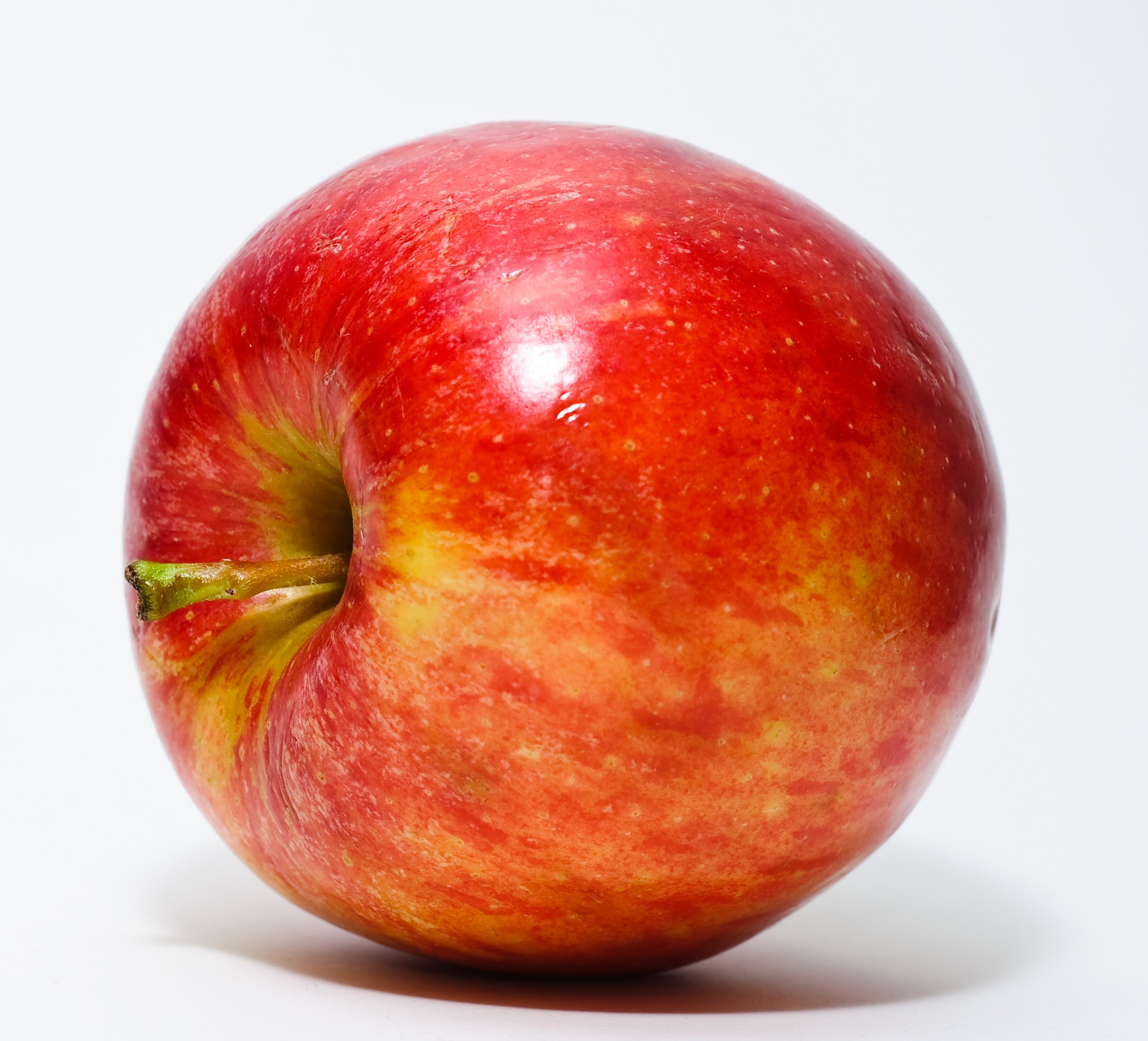
Shiny red apple with applied wax coating — the gloss is artificial wax, not the fruit’s natural surface

The shiny coating on commercially sold apples, cucumbers, and citrus fruits is real — and it is not the fruit’s natural shine. It is an applied wax coating, added after harvest to replace the fruit’s natural surface protection that gets stripped during washing and processing. Whether it is harmful depends entirely on which wax was used and what was added to it — and that answer is more nuanced than most articles on this topic suggest.

In This Article


Why Are Fruits Coated with Wax in the First Place?

Fruits naturally produce their own protective wax. Apples, for instance, have a thin layer of natural wax called the “bloom” — a waxy coating secreted by the fruit itself that slows moisture loss, prevents microbial entry, and gives the fruit its natural matte surface. You can see this on freshly picked apples from an orchard: a slight dusty-white haze rather than a high-gloss shine.

The problem begins post-harvest. During commercial sorting, washing, and cleaning at packhouses, this natural wax is scrubbed away. Fruit arriving at processing facilities goes through water baths and detergent washes that strip the natural cuticle entirely. Without it, the fruit loses moisture rapidly, shrivels within days, and is vulnerable to mould and physical damage during transport.

Artificial wax is then applied — sprayed or dipped — to replace the natural protection that was removed. It serves three commercial functions:

  • Moisture retention — slows water loss, extending shelf life by days to weeks
  • Physical protection — reduces bruising and surface damage during packing and transport
  • Appearance — creates the high-gloss shine that signals “fresh” to the consumer, even when the fruit has been stored for months

In India, FSSAI permits the use of specific approved wax coatings on fruits and vegetables. The regulation exists; the compliance and the type of wax actually used on produce in Indian markets is where the gaps appear.


Natural Wax vs. Synthetic Wax — The Key Difference

Not all wax coatings are the same. The type of wax matters significantly for both safety and digestibility.

Wax TypeSourceFSSAI CodeSafety ProfileCommon Use in India
Carnauba waxCarnauba palm leaves (Brazil)E903Safe — used in food, medicines, cosmeticsPremium imported fruit, some domestic
ShellacLac insect secretionE904Safe but not vegan; some people are sensitiveApples, citrus — very common in India
BeeswaxHoneybee combsE901Safe; not veganLess common; some organic alternatives
Candelilla waxCandelilla shrub (Mexico)E902Safe; vegan alternative to beeswaxRare in India
Paraffin waxPetroleum refining by-productE905Generally recognised as safe at low doses; concerns at high exposureCommon on cucumbers, some apples in India

The real concern is not the wax type itself — it is what gets added to it.

Commercial fruit wax formulations regularly contain two categories of additives that are more problematic than the wax base:

1. Fungicide Additives

Wax is an ideal delivery vehicle for post-harvest fungicides. Thiabendazole (TBZ) and imazalil are the two most commonly added — they prevent mould and extend the effective shelf life of the fruit. Both are classified as possible human carcinogens in high doses and are banned from use in food wax by the EU. In India, their presence in fruit wax is not routinely disclosed to consumers. The wax on that supermarket apple may contain antifungal agents that were never listed on any label you saw.

2. Trapped Pesticide Residues

This is the less-discussed but more significant issue. Pesticide residues that remain on the fruit surface after field spraying get sealed in when wax is applied on top. Washing the surface of a waxed apple with water removes the wax partially — but the pesticides trapped beneath the wax seal are largely inaccessible to surface washing alone. The wax, in effect, locks in whatever residue profile the fruit carried from the farm. This is why food safety experts increasingly say that for Dirty Dozen produce (see our guide to India’s highest-residue fruits and vegetables), peeling or sourcing differently matters more than washing technique.


Which Fruits Are Most Commonly Waxed in India?

In the Indian market, the following produce items are most likely to carry applied wax coatings:

  • Apples — the most heavily waxed fruit in India; both domestic Himachal Pradesh apples and imported Washington/Fuji varieties carry significant wax coatings; shellac is most common domestically, petroleum-based wax common on imported varieties
  • Cucumbers — virtually all commercially sold cucumbers in Indian supermarkets are coated with petroleum-based paraffin wax to prevent the moisture loss that makes cucumber go soft quickly
  • Capsicum / Bell Pepper — the glossy shine on supermarket capsicum is almost always applied wax, particularly on imported or premium varieties
  • Citrus (Orange, Mosambi, Lemon) — commercial citrus is routinely waxed; the wax on citrus often contains antifungal additives, which is relevant if you use the zest in cooking
  • Mangoes — post-harvest waxing is applied to premium export-grade and supermarket mangoes; street-market mangoes and local varieties are less likely to be treated
  • Brinjal (Eggplant) — the distinctive high gloss of supermarket brinjal is typically applied wax; local market brinjal usually has a more matte surface
  • Tomatoes — some commercial tomato varieties, particularly the large round imported or hothouse types, are lightly waxed

A quick visual test: Run your fingernail lightly across the surface of the fruit. If you see a faint white streak or can feel a slightly waxy resistance, the fruit has an applied coating. Naturally shiny fruits — like some fresh plums or cherries — will not produce this streak.


Is the Wax on Fruits Actually Harmful to Health?

The honest answer: the approved food-grade waxes themselves are not significantly harmful at normal consumption levels. Carnauba wax (E903), shellac (E904), beeswax (E901), and candelilla wax (E902) are all approved food additives used not just in fruit coatings but in medicines, confectionery, and chocolates. You consume small amounts of these regularly without harm.

The concerns that are legitimate fall into three categories:

Petroleum-Based Paraffin Wax (E905)

Paraffin wax is a by-product of petroleum refining. At the highly refined food-grade level, it is considered safe by regulatory agencies including FSSAI. However, paraffin wax formulations of lower purity used in cheaper fruit coatings may contain polycyclic aromatic hydrocarbon (PAH) contaminants. The EU has stricter limits on paraffin wax in food contact applications than India does. If you are eating the skin of waxed cucumbers daily — the produce most commonly coated with petroleum-based wax in Indian markets — this is a reasonable concern over time.

Fungicide Additives in the Wax

As discussed above, thiabendazole and imazalil in fruit wax are the most credible health concern in the wax coating system. These are pesticide-class chemicals embedded in the coating for preservation purposes. Chronic low-level exposure to these compounds over years of daily fruit consumption is an open question in food safety research. The EU banned their use in post-harvest applications on organic produce and has tightened limits on conventional produce. India’s regulation of these additives in fruit wax is less developed.

Shellac and Non-Vegan Concerns

Shellac (E904) is produced from the secretions of the lac insect. It is not toxic, but it is not vegan and not acceptable to some vegetarians. Given that shellac is the most commonly used wax on apples in India, this is worth knowing if you are strictly plant-based. The wax coating on an Indian supermarket apple almost certainly contains animal-derived shellac unless it is certified organic.


How to Remove Wax from Fruits at Home (What Actually Works)

Cold water rinsing alone does not remove wax. Wax is hydrophobic — it repels water by design. Here is what actually works, in order of effectiveness:

Method 1 — Warm Water + Scrub Brush + Dish Soap (Most Effective)

Warm water (40–50°C — hot but comfortable on your hands) softens the wax coating enough for mechanical scrubbing to remove it. Use a soft-bristled vegetable brush and a small amount of mild dish soap. Scrub the entire surface of the fruit for 20–30 seconds under running warm water. Rinse thoroughly. This is the method with the most evidence behind it and the one food safety researchers consistently recommend. It removes surface wax and the residues on top of it — but not systemic pesticides absorbed into the fruit flesh.

Method 2 — Baking Soda Scrub

Mix 1 teaspoon of baking soda with enough water to make a loose paste. Apply to the fruit surface and scrub with your hands or a soft brush for 20 seconds, then rinse under running water. A 2017 study published in the Journal of Agricultural and Food Chemistry found that baking soda solution (1% concentration) was more effective than plain water at removing certain surface pesticide residues from apples. It is particularly useful for apples and cucumbers where you want to eat the skin.

Method 3 — Vinegar Soak (15 Minutes)

Fill a bowl with 1 part white vinegar and 3 parts water. Soak the fruit for 15 minutes, then rinse under running water and scrub briefly with a brush. The acidity of the vinegar helps dissolve the wax coating and some surface pesticide residues. Note that soaking in vinegar longer than 20 minutes can begin to affect the texture and flavour of thin-skinned fruit like grapes.

Method 4 — Salt + Lemon Juice Scrub

A mixture of coarse salt, lemon juice, and a small amount of water creates a mildly abrasive, acidic paste that is effective for harder-skinned fruit like apples and citrus. Apply, scrub for 20–30 seconds, and rinse. This is a practical option when you do not have baking soda or a brush to hand.

Method 5 — Peeling

Peeling removes all wax and surface residues completely. The trade-off: the skin of apples, cucumbers, and mangoes contains a significant portion of the fruit’s fibre, vitamins, and antioxidants. If you are consistently peeling produce to avoid wax, you are also consistently removing nutrients. The better solution is sourcing — produce that was never waxed does not require the peeling trade-off.

What does NOT work: rinsing briefly under cold water, wiping with a dry cloth, or rubbing with your hands. These remove loose surface dirt but do not penetrate or dissolve a wax coating.


Why Locally Sourced and Farm-Fresh Fruit Often Doesn’t Need Waxing

Wax is applied to solve a supply chain problem, not a food quality problem. The need for wax arises from the gap between where food is grown and where it is sold — and the time it takes to travel between those two points.

A Himachal Pradesh apple harvested in September and sold in a Mumbai supermarket in December has spent three months in cold storage. It needs wax to survive that journey and remain visually sellable. A locally grown apple sold at a farm gate market or direct-from-orchard mandi within a week of harvest has its natural wax intact, has not passed through industrial washing and processing, and does not need replacement coating. The natural bloom on a freshly harvested apple is all it ever needed.

The same logic applies to every piece of waxed produce: the wax is there because the supply chain is long. Shortening the supply chain removes the need for it. This is why produce from Himalayan farms sold through short, direct supply chains — traditional hill grains, mountain pulses, fresh produce from high-altitude villages — does not carry the same wax and treatment burden as supermarket fruit that has crossed half the country. The altitude itself, which produces denser and more nutritious crops as we explain in our piece on how altitude affects nutrition, also means these crops are grown in conditions where long-distance storage treatment was simply never part of the agricultural tradition.

Practically: if you can identify a local, short-supply-chain source for produce you eat daily — a farmer’s market, a known organic supplier, a trusted mandi vendor with direct farm relationships — you eliminate the wax problem at the source rather than managing it fruit by fruit at your kitchen sink.


Frequently Asked Questions About Fruit Wax Coating

Is fruit wax digestible?

The approved food-grade waxes — carnauba (E903), shellac (E904), beeswax (E901), and candelilla (E902) — are not digestible in the conventional sense. They pass through the digestive system largely intact without being broken down or absorbed. At the tiny quantities present on a coated fruit, this is not a health concern. Paraffin wax (E905) is similarly indigestible and passes through without absorption. The digestibility concern is a secondary issue; the primary concerns are the additives within the wax, not the wax base itself.

Which wax is used on apples in India?

Shellac (E904, lac resin) is the most commonly used wax on apples in India — both on domestic Himachal Pradesh varieties and on imported apples. Shellac produces a very high gloss and is effective at moisture retention. Imported apples (particularly Washington State varieties from the US) may use carnauba wax or petroleum-based coatings. Identifying which specific wax was used on produce bought in an Indian market is practically impossible without lab testing, as labelling of post-harvest wax on fresh produce is not required under current Indian regulations.

Does washing remove fruit wax?

Cold water rinsing does not remove fruit wax. Wax is hydrophobic and repels water. To effectively remove wax, you need: warm water (40–50°C) combined with scrubbing, or an alkaline solution like baking soda paste, or an acidic soak like diluted vinegar. Plain cold water washing removes surface dirt and loose residues but leaves the wax coating and the pesticide residues trapped beneath it largely intact. This is one of the reasons sourcing matters more than washing technique for produce at the high end of India’s pesticide residue risk list.

Is the wax on cucumbers harmful?

Cucumbers in Indian supermarkets are predominantly coated with petroleum-based paraffin wax (E905) — the cheapest and most effective coating for moisture retention in a high-water-content vegetable. At food-grade purity levels, paraffin wax is considered safe by FSSAI and FDA standards. The concern is long-term daily exposure, particularly if the paraffin is of lower purity. Since cucumbers are often eaten with the skin, washing with warm water and dish soap, or peeling, is the most practical risk-reduction approach.

Can organic fruits have wax coating?

Yes, but with restrictions. Certified organic produce under NPOP (National Programme for Organic Production) in India may only be coated with approved natural waxes (carnauba, beeswax, candelilla) and cannot be treated with petroleum-based or synthetic waxes. Fungicide additives like thiabendazole and imazalil are not permitted in organic wax formulations. If you are buying certified organic fruit in India, the wax type is more constrained — but the certification depends on the supply chain being properly verified.

Posted on Leave a comment

India’s Dirty Dozen: Which Fruits and Vegetables Have the Most Pesticide Residue

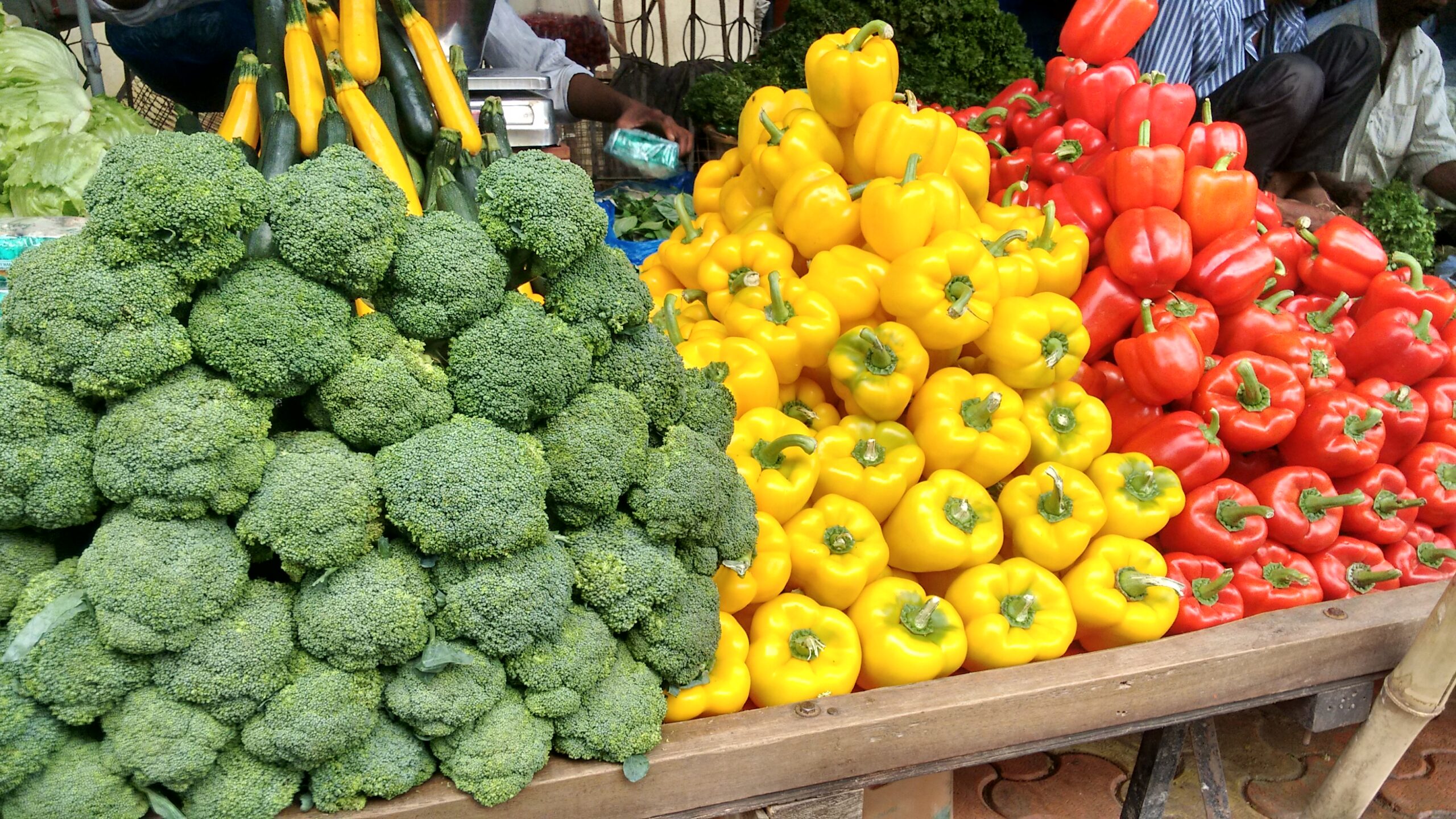
Colourful fresh vegetables at a Mumbai market — capsicum, broccoli and mixed produce

India uses over 60,000 tonnes of pesticides on food crops every year. FSSAI surveillance data consistently shows that a significant portion of fresh fruit and vegetables sold in Indian markets contain pesticide residues — and a measurable fraction of those exceed the Maximum Residue Limits (MRL) set for human safety. The problem is real, it is measurable, and it affects the produce on your plate today. This article tells you which crops carry the highest risk, which are the safest to buy, and what you can practically do about it.

In This Article


What Is India’s Dirty Dozen?

The “Dirty Dozen” concept originated with the US Environmental Working Group (EWG), which annually ranks American produce by pesticide residue levels. India does not have an equivalent official list — but it does have the data to build one.

India’s Dirty Dozen is compiled here from three primary sources:

  • FSSAI Food Safety Surveillance Reports (Food Safety and Standards Authority of India) — the government body that monitors MRL violations in food sold in Indian markets
  • CSE (Centre for Science and Environment, New Delhi) — India’s most rigorous independent pesticide residue monitoring body, whose laboratory studies have repeatedly found violations across Indian cities
  • ICAR (Indian Council of Agricultural Research) — research data on pesticide use patterns across Indian crop categories

The ranking reflects frequency of MRL violation, number of different pesticide types detected, and persistence of residues after washing — not just raw chemical application rates.


India’s Dirty Dozen — The 12 Highest-Residue Crops

1. Okra (Bhindi) — The Worst Offender

Bhindi is consistently flagged in Indian surveillance studies as one of the most pesticide-contaminated vegetables available. CSE testing from multiple Indian cities found a high proportion of bhindi samples exceeding MRL, with organophosphates, carbamates, and pyrethroids all detected simultaneously in the same samples. The thin, edible skin of bhindi retains residues that washing cannot fully remove.

2. Brinjal (Baingan / Eggplant)

Brinjal is sprayed heavily throughout its growing cycle because it is extremely susceptible to the brinjal fruit and shoot borer — a pest that forces farmers to spray 40 to 60 times per crop cycle in some regions. CSE studies identified brinjal as having the widest variety of different pesticide types in a single sample. The thin, dark skin absorbs residues; peeling helps but does not eliminate the problem entirely.

3. Chilli Pepper (Mirchi / Capsicum)

Chillies are one of India’s most heavily exported crops — and export rejection rates for Indian chilli shipments due to pesticide violations are among the highest of any Indian food product in EU and US border checks. Domestically, the same varieties sold for export are sold without the residue testing that export markets require. Multiple banned pesticides including monocrotophos have been detected in commercially sold chillies.

4. Tomato

Tomatoes are sprayed throughout their growing cycle for multiple fungal, bacterial, and insect threats. FSSAI surveillance has repeatedly found tomato samples with organophosphate and carbamate residues above permissible limits. The thin skin and high water content of tomatoes allow pesticides to penetrate into the flesh — meaning washing the surface addresses only a portion of the residue load.

5. Grapes

Commercial grape cultivation in India — particularly in Maharashtra and Karnataka — involves one of the most intensive pesticide programmes of any Indian crop. Fungicides are applied repeatedly to prevent powdery mildew and downy mildew; insecticides follow. Multiple studies have detected residues of carbendazim, chlorpyrifos, and in older studies monocrotophos in Indian market grapes. Grapes have thin, permeable skin and are eaten whole — making residue exposure direct and unavoidable without washing.

6. Spinach and Leafy Greens (Palak, Methi, Sarson)

Leafy vegetables have the largest surface area-to-mass ratio of any produce category — meaning more pesticide contact per gram of edible food. Spinach, fenugreek (methi), and mustard greens (sarson) are also fast-growing crops harvested frequently with short intervals between spraying and harvest. Systemic pesticides — those absorbed into the plant tissue rather than sitting on the surface — cannot be removed by washing at all.

7. Cauliflower

Cauliflower is susceptible to a wide range of pests and diseases and is typically sprayed 8 to 15 times per crop cycle. FSSAI surveillance has repeatedly found cauliflower samples with residues of chlorpyrifos and cypermethrin above MRL. The dense, curled structure of the cauliflower head traps residues between the florets in a way that simple rinsing cannot fully address.

8. Strawberry

Indian strawberry cultivation — centred in Himachal Pradesh, Maharashtra (Mahabaleshwar), and parts of Karnataka — relies heavily on fungicides because strawberries are exceptionally vulnerable to grey mould and other fungal diseases in humid growing conditions. The porous, unseeded surface of the strawberry absorbs residues directly. CSE testing found that a majority of strawberry samples from Delhi and Mumbai markets contained detectable residues.

9. Apple (Particularly Himachal Pradesh Commercial Varieties)

Commercial apple orchards in Himachal Pradesh and Jammu & Kashmir use intensive pesticide programmes for codling moth, apple scab, and fire blight. The apple skin, which contains the highest concentration of nutrients, also carries the highest concentration of residues. Post-harvest chemical treatment (wax coating with fungicide additives) adds a second layer of residue to commercially sold apples. Imported apples carry additional post-harvest chemical loads.

10. Mango

Mangoes are subject to both pre-harvest and post-harvest chemical treatment. Pre-harvest sprays target fruit flies, anthracnose, and powdery mildew; post-harvest treatment includes carbide for artificial ripening (illegal but widespread) and fungicide dips for extended shelf life. The skin of mangoes carries most of the residue load — peeling before eating significantly reduces exposure, though systemic pesticides absorbed during growth are not removed this way.

11. Cabbage

Cabbage is heavily treated for diamond-back moth — a pest that has developed resistance to many common insecticides, prompting farmers to use higher doses and more frequent applications. The layered structure of cabbage heads traps residues between the outer leaves; removing the outer two or three layers before eating is the most effective risk-reduction strategy for commercially grown cabbage.

12. Cucumber and Bottle Gourd (Kheera and Lauki)

Cucurbit vegetables — the gourd family including cucumber, bottle gourd, bitter gourd, and ridge gourd — are grown intensively across India with heavy pesticide use for aphids, whiteflies, and fruit flies. The thin skin of cucumbers is typically eaten, providing direct residue exposure. FSSAI monitoring has flagged cucumber and lauki samples from multiple markets for organophosphate and pyrethroid residues.


India’s Clean Fifteen — Safer Produce to Prioritise

These are the fruits and vegetables that consistently show the lowest pesticide residue in Indian monitoring data — either because their thick skins provide a natural barrier, because they are naturally pest-resistant, or because they are underground crops where the edible part is protected from spraying.

#ProduceWhy It’s Lower Risk
1OnionMultiple papery layers act as a barrier; sulfur compounds naturally repel pests
2BananaThick peel, not eaten; peel is the primary residue carrier
3PapayaThick skin + natural latex compounds deter insects
4PineappleVery thick, spiny inedible skin protects inner flesh completely
5AvocadoThick, leathery skin; one of the lowest-residue fruits globally
6JackfruitExtremely thick outer skin; inner flesh minimally exposed
7CoconutHard shell provides complete protection for the inner flesh and water
8Drumstick (Moringa)Naturally pest-resistant; minimal chemical treatment required
9WatermelonThick rind; inner flesh largely protected from surface residues
10Sweet PotatoUnderground crop; peeling removes most surface residues
11GingerUnderground + strong natural antimicrobial properties reduce pest pressure
12Turmeric (whole)Underground crop; processed before consumption reduces residue load
13GarlicUnderground, multilayered, pungent compounds naturally resist pests
14Sweet Corn (with husk)Husk provides physical barrier; inner kernels largely protected
15Lentils and Pulses (dried)Dry storage, washing, and cooking together reduce residues significantly

Why Does India Have a Pesticide Residue Problem?

Understanding the problem means understanding the system that creates it. Three structural factors explain India’s pesticide residue situation.

Banned Chemicals Still in Use

Several pesticides that are banned or severely restricted in the European Union, UK, and United States remain legally permitted for use in India. Chlorpyrifos — linked to neurodevelopmental harm in children and banned in the EU since 2020 — remains among the most widely used insecticides in Indian vegetable farming. Monocrotophos, banned for use on vegetables in India since 2005 but legally available for other crops, is routinely misapplied. Endosulfan, banned in India in 2011, is still detected in residue surveys years after the ban.

No Pre-Harvest Interval Compliance

Every registered pesticide has a “pre-harvest interval” (PHI) — the minimum number of days that must elapse between the last pesticide application and harvest. This interval allows the chemical to break down to safe levels. In Indian vegetable farming, where market prices fluctuate daily and farmers are under constant financial pressure, PHI compliance is inconsistent. Vegetables sprayed today are sold in the mandi tomorrow.

Monitoring Gaps

FSSAI’s surveillance programme covers major urban markets well — but the vast supply chain of India’s 7,000+ agricultural mandis operates largely without systematic residue testing at the point of sale. The result: testing catches violations after the fact, not before produce reaches consumers. The burden of risk management falls on the buyer, not the system.


What “MRL” Means and Why Exceeding It Matters

MRL stands for Maximum Residue Limit — the highest level of pesticide residue that is legally permitted in food intended for human consumption. MRLs are set by FSSAI in India, based on what level of residue is considered safe for a person eating a standard quantity of that food daily over a lifetime.

Two things are important to understand about MRLs:

  • MRLs are not zero. The presence of a pesticide residue below the MRL is considered acceptable by regulatory standards. The concern begins when residues exceed the MRL.
  • Multiple chemicals below MRL can add up. If a vegetable carries residues of 5 different pesticides, each individually below its MRL, the combined (cocktail) effect is not currently assessed in India’s regulatory framework. Emerging research suggests that combinations of low-level pesticide residues may have greater health effects than single-chemical exposure at the same dose.

This is why the Dirty Dozen list above is built not just on MRL violations but also on the number of different pesticide types detected in the same sample — a metric that captures cocktail risk.


5 Practical Steps to Reduce Your Exposure Right Now

1. Prioritise Organic or Farm-Traceable Sources for Dirty Dozen Items

You do not need to buy everything organic. The Dirty Dozen list exists precisely so you can make targeted decisions. If you eat bhindi, brinjal, and chillies regularly — as most Indian households do — these are the items where switching to a verified organic or directly-sourced farmer supply makes the most measurable difference to your pesticide exposure.

2. Soak Vegetables in Salt Water or Turmeric Water for 15 Minutes

Soaking produce in a solution of 1 tablespoon of salt or 1 teaspoon of turmeric powder in 2 litres of water for 15 minutes before washing has been shown to reduce surface pesticide residues more effectively than plain water rinsing alone. This does not remove systemic pesticides absorbed into plant tissue, but it addresses a meaningful portion of the surface residue load.

3. Peel Where Possible

For tomatoes, cucumbers, apples, and mangoes, peeling removes the majority of surface and sub-surface residues. Yes, you lose some fibre and skin nutrients by peeling — but if the alternative is unpeeled commercially grown produce with measurable residues, the trade-off is clear. For produce where peeling is not practical (leafy greens, bhindi, grapes), the priority is sourcing.

4. Remove the Outer Leaves of Cabbage and Cauliflower

The outermost leaves of cabbage carry the highest concentration of residues because they receive the most direct spray contact. Removing two or three outer leaves before washing the head significantly reduces the total residue load. For cauliflower, remove the leaves entirely and rinse the florets in running water before soaking.

5. Choose Mountain-Grown and Traditionally Farmed Produce

Produce grown at high altitude on traditional rain-fed farms — like the mountain grains, pulses, and spices from Uttarakhand — sits in a structurally different supply chain from commercial plains-grown vegetables. Himalayan terraced farming, by its geography alone, precludes the intensive mechanised chemical application that creates the residue levels seen in commercial flat-land production. This is not marketing language — it is the practical consequence of farming on steep, rain-fed, non-irrigated hillside terrain where spray equipment cannot be deployed the same way.

Grains like jhangora, pulses like gahat, and spices like Pahadi haldi are grown in conditions where synthetic chemical inputs have never been the norm — not because of certification, but because of geography and tradition.


Frequently Asked Questions

What vegetables have the most pesticide residue in India?

Based on FSSAI surveillance and CSE laboratory studies, the vegetables with the most frequently detected and highest levels of pesticide residue in India are: okra (bhindi), brinjal, chilli/capsicum, tomato, cauliflower, spinach and leafy greens, and cabbage. Grapes and strawberries are the fruits with the highest documented residue levels in Indian market surveys.

Does washing vegetables remove pesticides?

Washing removes some pesticide residues — specifically surface residues that have not been absorbed into the plant tissue. Plain water washing reduces surface residues by approximately 25–50%. Soaking in salt water or turmeric water for 15 minutes is more effective than rinsing alone. However, systemic pesticides — those absorbed into the plant during growth — cannot be removed by any washing method. Peeling and sourcing from lower-residue supply chains are the only ways to address systemic residues.

Is organic produce available across India?

Certified organic produce is available in most Indian cities through organic specialty stores, select supermarket chains (Nature’s Basket, Organic India retail outlets), and increasingly through direct-to-consumer farm delivery services. Certification under India’s NPOP (National Programme for Organic Production) or PGS-India (Participatory Guarantee System) provides some assurance — though PGS certification is less rigorous than NPOP. For traditional mountain-grown produce from tribal and hill farming communities, the absence of chemicals is often a structural reality of the farming system rather than a certified claim.

Are the pesticides found in Indian vegetables harmful?

The chemicals most commonly detected in Indian surveillance studies — chlorpyrifos, endosulfan, monocrotophos, carbendazim, and organophosphate compounds — are associated with a range of health concerns including neurotoxicity, hormonal disruption, and developmental effects in children. The risk level depends on dose and duration of exposure. Occasional exposure below MRL is considered acceptable by current regulatory science; chronic daily exposure to multiple low-level residues is an area of active research concern, particularly for children and pregnant women.

Which Indian states have the worst pesticide residue problems?

CSE studies and FSSAI data have repeatedly identified produce from Punjab, Haryana, Andhra Pradesh, and Maharashtra as carrying higher residue rates — states with intensive commercial vegetable and fruit cultivation under high-input farming systems. This does not mean all produce from these states is unsafe, but it contextualises where monitoring needs to be strongest. Northeastern states and hill farming regions (Uttarakhand, Himachal Pradesh traditional farms, Nagaland, Sikkim) generally show lower commercial pesticide intensity due to their farming structure.