Posted on Leave a comment

What Is Clean Eating? A No-Nonsense Beginner’s Guide for Indian Kitchens

Traditional Indian thali with dal, rice, sabzi, roti and curd — a naturally clean meal

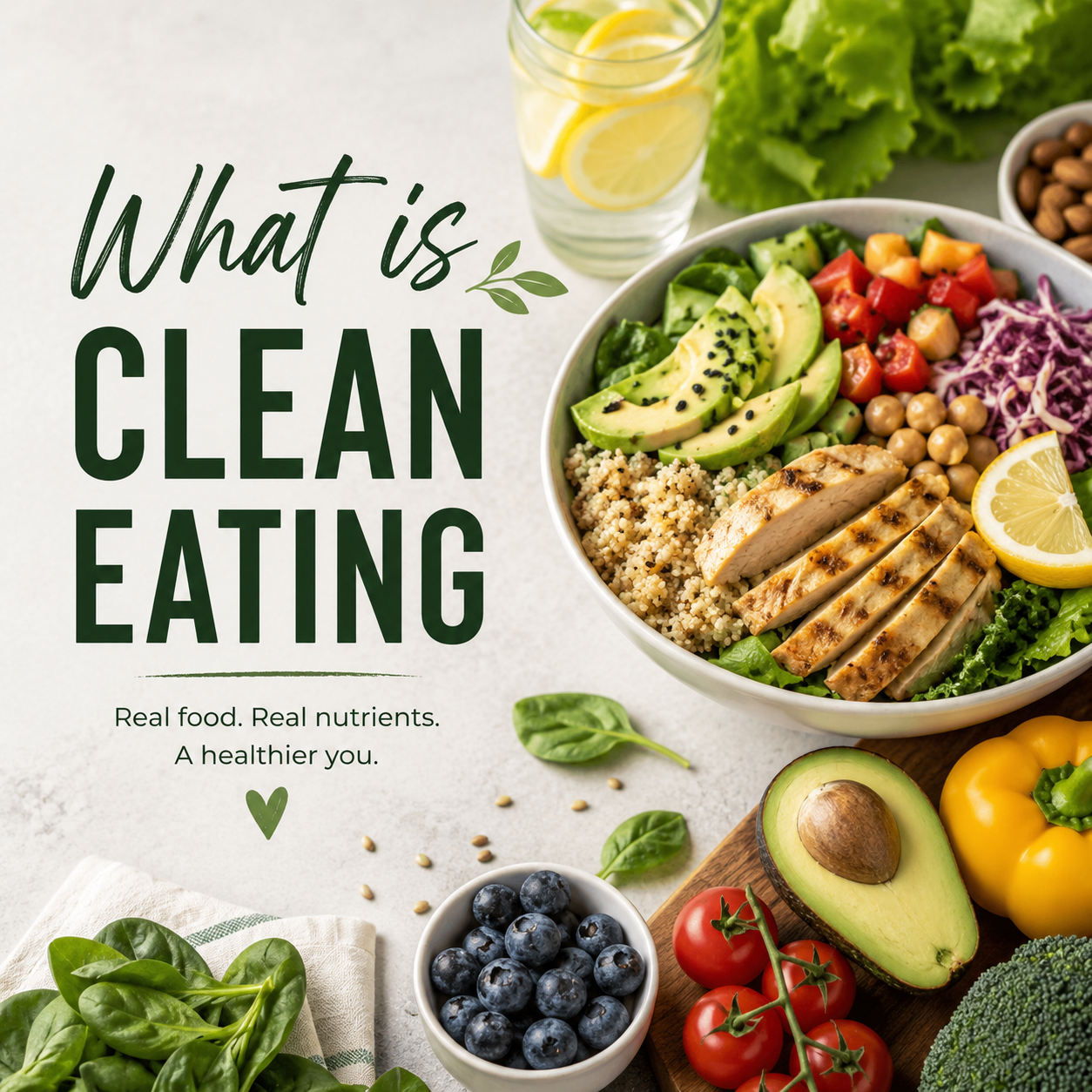
Clean eating is not a diet. It has no rules about carbohydrates, no banned food groups, and no requirement to eat anything that does not grow in India. At its simplest, clean eating means choosing food that is as close to its natural state as possible — minimally processed, without unnecessary additives, and grown or made in ways that do not leave a chemical residue on your plate. By that definition, a bowl of dal and rice with ghee is clean eating. Most of what your grandmother cooked every day was clean eating. The concept is not new. The name is.

In This Article


What “Clean Eating” Actually Means (Without the Western Wellness Jargon)

The Western wellness world has made clean eating more complicated than it needs to be. You will find definitions that require organic certification, that ban entire food groups, that insist on raw food or specific macronutrient ratios. Ignore all of that for the Indian context.

A practical working definition for an Indian kitchen:

  • Clean food is food with a short, recognisable ingredient list — ideally ingredients you could buy separately and combine yourself
  • Clean food is food that has not been stripped of its natural nutrition through heavy processing (refining, bleaching, extracting)
  • Clean food is food grown or produced without excessive chemical inputs — pesticides, synthetic preservatives, artificial colours, flavour enhancers
  • Clean food is food that comes from a supply chain short enough that it does not need wax coatings, extended cold storage, or artificial ripening agents to reach you looking fresh

This is not a radical or difficult standard. It simply describes how most Indian households ate before the mass arrival of packaged convenience food. The shift required is not towards a new way of eating — it is a return to a more deliberate version of the old one.


Indian Foods That Are Already Clean

Before focusing on what to change, it helps to recognise what is already working. If you are eating any of the following regularly, you are already practising clean eating without calling it that.

Whole Pulses and Dals

Whole masoor, moong, toor, chana, rajma, and regional dals cooked from scratch at home are clean foods. One ingredient. High protein, high fibre, no processing. Gahat dal (horse gram) from Uttarakhand, with its 22–24g of protein per 100g and traditional Ayurvedic history, is one of the cleanest and most nutritionally dense pulses available — here is a complete guide to gahat dal if you have not cooked with it before.

Whole Grains Cooked from Scratch

Brown rice, whole wheat roti, bajra roti, jowar bhakri, and millets like ragi, foxtail, and jhangora (barnyard millet) are clean grains. Jhangora in particular — Uttarakhand’s ancient barnyard millet with the highest dietary fibre of any commonly eaten millet — is a clean grain that most Indian households have simply never encountered because it never made it to the supermarket shelf.

Fresh Sabzi Cooked with Whole Spices

A simple sabzi made with vegetables, mustard seeds, cumin, turmeric, and coriander powder is clean food. Whole spices, a small amount of cold-pressed oil or ghee, and a fresh vegetable. No additives, no preservatives, no hidden ingredients. This is how most Indian home cooking already works — and it is nutritionally sophisticated in ways that Western clean eating guides have only recently begun to articulate.

Curd Made at Home

Home-set curd from whole milk contains billions of live probiotic bacteria, no thickeners, no added sugar, no preservatives. Two ingredients: milk and a spoonful of previous curd as a starter. It is one of the most nutritionally complete fermented foods in any cuisine. The commercial “dahi” in foil containers from the supermarket fridge is a distant, thickener-laden cousin of the real thing.

Khichdi

Khichdi — rice and dal cooked together with minimal spices — is regularly cited by nutritionists as one of the most nutritionally balanced single-dish meals in existence. It is a complete protein (rice amino acids complement dal amino acids), easy to digest, warming, and made from two whole ingredients. India’s ancient food science got this right long before modern nutrition had the vocabulary to explain why.


The 5 Biggest Sources of Unclean Food in an Indian Diet

1. Packaged Snacks and Namkeen

Biscuits, chakli, bhujia, instant noodles, packaged chips, and ready-to-eat snacks form a significant portion of the unclean food in most Indian households. A typical biscuit ingredient list includes refined flour (maida), hydrogenated vegetable fat, high-fructose corn syrup or invert syrup, artificial flavouring, and multiple E-number emulsifiers. Each ingredient individually is considered safe at regulatory limits; consumed daily across years, the cumulative additives profile of a biscuit-heavy diet is meaningfully different from food made from whole ingredients.

2. Refined Grains — Maida and Polished White Rice

Maida (refined wheat flour) has had the bran and germ stripped away — removing most of the fibre, B-vitamins, iron, and the slow-release carbohydrate structure that makes whole wheat a clean food. What remains is a high-GI starchy white powder that raises blood sugar rapidly. Heavily polished white rice has a similar profile. Neither is a poison — but neither is clean food. Replacing maida with whole wheat atta and switching from heavily polished white rice to hand-pounded or semi-processed varieties is one of the highest-impact single changes you can make.

3. Refined Cooking Oils and Vanaspati

Refined vegetable oils — soybean, sunflower, palm, cotton seed — undergo extraction with chemical solvents, deodorisation at high temperatures, and bleaching before reaching your kitchen. The refining process removes natural antioxidants and creates minor quantities of oxidised fatty acids. Vanaspati (partially hydrogenated vegetable fat, still widely used in commercial cooking and pastry) contains trans fats at levels that are associated with cardiovascular risk. Cold-pressed oils (groundnut, sesame, mustard, coconut) and ghee from quality milk retain their natural fatty acid profiles and antioxidants without the refining treatment.

4. Pesticide Residues in Fresh Produce

This is the unclean food source that most people do not think of when they hear “clean eating” — because the food looks fresh and natural. FSSAI surveillance data consistently shows that a significant proportion of Indian market vegetables and fruits carry pesticide residues, with some exceeding Maximum Residue Limits. Okra (bhindi), brinjal, chilli, tomato, grapes, and leafy greens are the highest-risk categories. We have covered this in detail in our piece on India’s Dirty Dozen — the highest-residue fruits and vegetables. Cleaning up this part of your diet requires either sourcing differently or washing more effectively — and cold water rinsing is not enough.

5. “Healthy” Packaged Products With Hidden Ingredients

This category is the most deceptive. Products marketed as healthy — packaged fruit juices, flavoured yoghurt, commercial protein bars, granola, multigrain biscuits, fortified breakfast cereals — often have ingredient lists that include high levels of added sugar, maltodextrin (a fast-digesting refined starch), artificial flavouring, and synthetic vitamins to compensate for the natural nutrition destroyed during processing. A carton of packaged fruit juice has more sugar and less fibre than the whole fruit. A flavoured yoghurt has more added sugar than a small dessert. Reading the ingredient list — not the marketing claim on the front of the pack — is the only way to assess what you are actually buying.


Simple Swaps: From Processed to Clean Without Overhauling Your Kitchen

Instead of thisChoose thisWhat you gain
Maida-based biscuits / namkeenRoasted makhana, peanuts, handful of dried fruit and nutsNo additives; natural fats, protein, fibre
Refined sunflower or soybean oilCold-pressed groundnut, mustard, or sesame oil; gheeNatural antioxidants, unaltered fatty acid profile
Polished white rice dailyHand-pounded rice 3–4 days/week + millet 1–2 days/weekHigher fibre, slower blood sugar release, more micronutrients
Packaged dal powder or instant dalWhole dal soaked and cooked from scratchFull nutrition intact; no preservatives or added starch
Commercial fruit juice in a cartonWhole fruit, or fresh-squeezed juice with no added sugarFibre retained; no sugar spike; no preservatives
Flavoured commercial yoghurtHome-set curd with fresh fruit or a drop of honeyLive probiotics; no thickeners; no added sugar
Store-bought supermarket apple (waxed)Local orchard variety in season; or wash properly with baking sodaNo wax coating; no post-harvest fungicide treatment
Instant breakfast cerealWhole grain porridge: daliya, ragi kanji, jhangora, or oatsNo added sugar; natural fibre and micronutrients

None of these swaps require a dramatically different cooking approach. They require a slightly different shopping list and the habit of reading ingredient labels. Most of them also cost less than the processed versions they replace.


How to Read an Indian Food Label for Clean Eating

FSSAI-regulated food labels in India contain a surprising amount of useful information once you know what to look for. Here is a practical filter for clean eating decisions at the supermarket:

Step 1 — Count the Ingredients

A clean food typically has 5 or fewer ingredients. A packaged biscuit might have 20. This is not an absolute rule — a good quality pickle might have 10 ingredients that are all whole and recognisable — but ingredient count is a useful quick filter. If the list requires two lines of small print, investigate further.

Step 2 — Identify Any Hidden Sugar

Added sugar on Indian food labels appears under many names: sucrose, invert syrup, glucose syrup, high-fructose corn syrup, maltose, dextrose, maltodextrin. If any of these appear in the first five ingredients, the product has a significant sugar load regardless of what the front-of-pack claim says. “No added sugar” on a product that contains invert syrup means exactly nothing.

Step 3 — Check for Refined Flour and Starch Bases

“Refined wheat flour” (maida) as the first ingredient means the product is built on a high-GI refined starch base regardless of any nutritional claims on the label. “Modified starch”, “corn starch”, and “maltodextrin” serve the same function — they are cheap, fast-digesting carbohydrates that extend shelf life and add texture without nutritional value.

Step 4 — Look for E-Numbers You Cannot Identify

Not all E-numbers are problematic — E300 is vitamin C; E330 is citric acid. But a label with multiple E-numbers you cannot identify or pronounce is a signal that the product requires significant chemistry to hold together, stay stable, or taste the way it does. Clean food does not need this. If you are buying something with E621 (monosodium glutamate), E110 (sunset yellow dye), or E102 (tartrazine), those are ingredients worth being aware of regardless of their regulatory status.


Why Traditional Himalayan Ingredients Are Some of India’s Cleanest Foods

There is a category of Indian ingredients that does not appear in supermarkets, does not require processing, does not need certification, and has been clean by default for thousands of years: traditional Himalayan mountain foods.

The grains, pulses, and spices grown on the terraced hillside farms of Uttarakhand are clean foods by structural necessity. Steep mountain terrain, rain-fed irrigation, and traditional farming knowledge have produced agricultural systems where synthetic chemical inputs were never the norm. The result is food with a different nutritional profile — denser, more mineral-rich, more slowly grown — and a different residue profile: close to none.

As we explain in detail in our piece on how altitude affects nutrition, the mountain growing conditions produce demonstrably different food at a biochemical level — higher in antioxidants, more mineral-dense, lower in the inflammatory compounds that accumulate in intensively farmed crops.

A few of the most nutritionally significant:

  • Gahat Dal (Horse Gram) — 22–24g protein per 100g; used in Ayurveda for kidney stones and blood sugar; grown in Uttarakhand without synthetic inputs for over 2,000 years
  • Jhangora (Barnyard Millet) — highest dietary fibre of any commonly eaten millet; low glycaemic index; gluten-free; fasting-approved; a natural rice substitute with a better nutritional profile
  • Bhatt (Black Soybean) — approximately 40g of plant protein per 100g; one of the highest plant protein sources available in India; nearly unknown outside the Himalayan hills
  • Mandua (Finger Millet) — 344mg of calcium per 100g, the most calcium-dense grain in the Indian diet; a direct, natural alternative to dairy for calcium supplementation
  • Pahadi Haldi — mountain-grown turmeric with higher curcumin content than plains-grown commercial varieties; no processing, no adulterants

These are not specialty foods for people with unusual dietary needs. They are the everyday staples of Himalayan farming communities — foods that have nourished mountain villages for centuries. Their absence from modern urban Indian diets is a supply chain gap, not a cultural one.


Frequently Asked Questions

Is Indian food clean eating?

Traditional Indian home cooking is already clean eating by any reasonable definition. Dal, sabzi, roti, khichdi, curd, whole spices, ghee — these are whole, minimally processed ingredients with no additives. The problem is not Indian food. The problem is the modern Indian diet, which has incorporated significant packaged convenience food, refined flour products, and commercially processed snacks that sit well outside the tradition. Returning to home-cooked Indian food made from whole ingredients is one of the most effective clean eating approaches available.

What to avoid in clean eating for an Indian diet?

The five highest-impact things to reduce: refined wheat flour (maida) products; packaged snacks and biscuits with long ingredient lists; refined vegetable oils and vanaspati; packaged fruit juice and flavoured dairy products; and fresh produce from the high-residue categories — bhindi, brinjal, chilli, tomato, grapes (see our guide to India’s highest-pesticide produce). None of these require eating differently — they require buying differently.

Is ghee allowed in clean eating?

Yes — good quality ghee is a clean food. Made from a single ingredient (butter, clarified by slow heating), ghee contains no additives, no preservatives, and a stable fatty acid profile that does not degrade at Indian cooking temperatures the way refined polyunsaturated oils do. The concern about ghee in Indian diets is about quantity, not quality. Moderate use of real ghee in traditional cooking is nutritionally sound. The problem was never the ghee — it was the refined vegetable oils and vanaspati that displaced it.

Do I need to buy organic to eat clean in India?

Not necessarily. A more practical approach: use the Dirty Dozen list to identify the specific produce where organic or sourcing differently makes the most difference, and buy the Clean Fifteen conventionally. For staple grains and pulses, traditionally farmed mountain varieties from short supply chains offer a practical alternative to supermarket organic certification at a much lower cost.

Is clean eating expensive in India?

Clean eating from whole ingredients is almost always cheaper than the packaged convenience food it replaces. A kilogram of whole masoor dal cooked from scratch costs a fraction of the packaged “protein supplement” or flavoured dal mix that supermarkets sell. A bottle of cold-pressed groundnut oil costs more per litre than refined soybean oil, but most households use far less because its flavour is richer. The misconception that clean eating is expensive comes from conflating it with premium organic certification and Western superfoods — neither of which is necessary for an Indian kitchen.

Posted on Leave a comment

Wax Coating on Fruits: What It Is, Is It Harmful, and How to Remove It

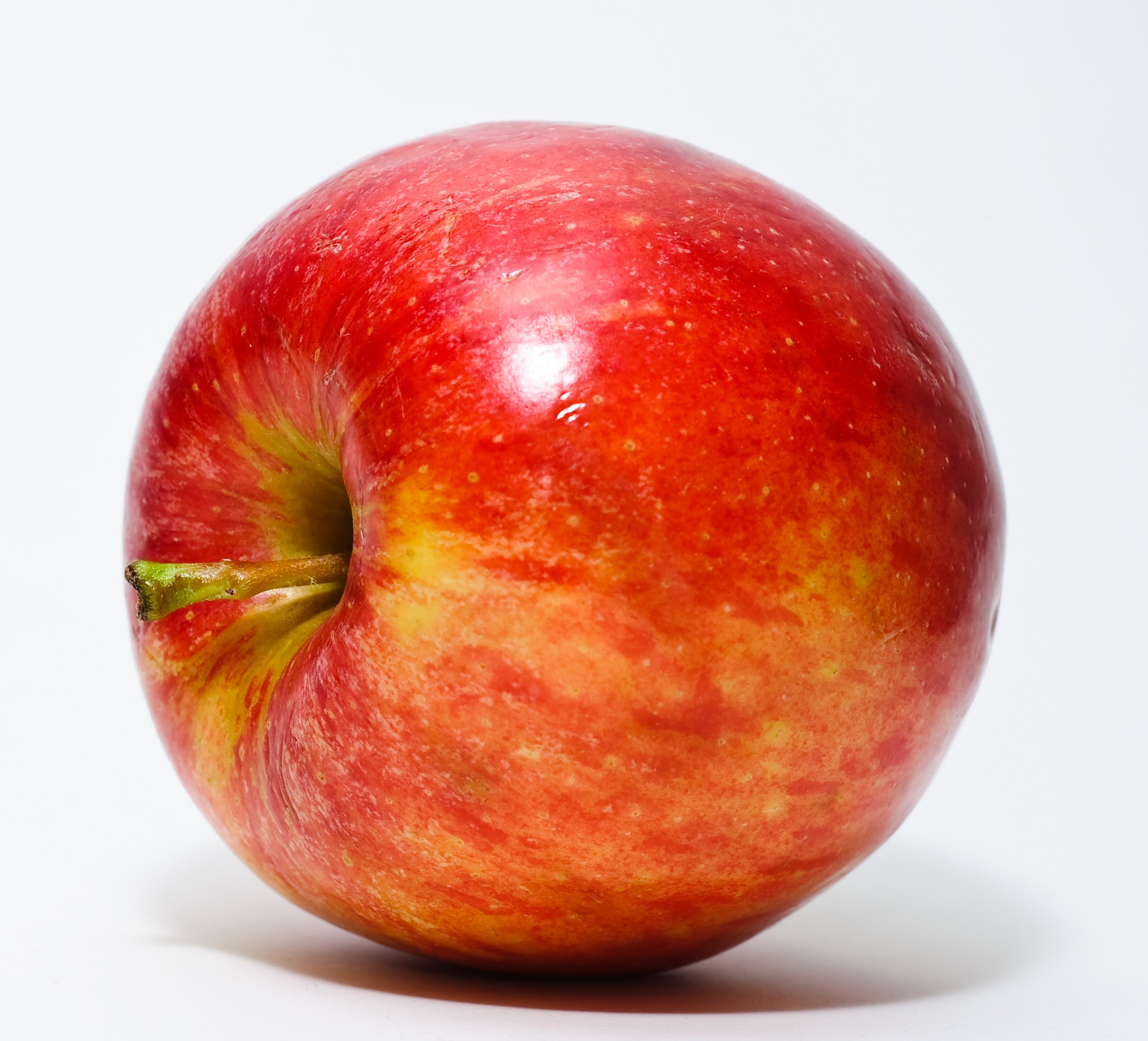
Shiny red apple with applied wax coating — the gloss is artificial wax, not the fruit’s natural surface

The shiny coating on commercially sold apples, cucumbers, and citrus fruits is real — and it is not the fruit’s natural shine. It is an applied wax coating, added after harvest to replace the fruit’s natural surface protection that gets stripped during washing and processing. Whether it is harmful depends entirely on which wax was used and what was added to it — and that answer is more nuanced than most articles on this topic suggest.

In This Article


Why Are Fruits Coated with Wax in the First Place?

Fruits naturally produce their own protective wax. Apples, for instance, have a thin layer of natural wax called the “bloom” — a waxy coating secreted by the fruit itself that slows moisture loss, prevents microbial entry, and gives the fruit its natural matte surface. You can see this on freshly picked apples from an orchard: a slight dusty-white haze rather than a high-gloss shine.

The problem begins post-harvest. During commercial sorting, washing, and cleaning at packhouses, this natural wax is scrubbed away. Fruit arriving at processing facilities goes through water baths and detergent washes that strip the natural cuticle entirely. Without it, the fruit loses moisture rapidly, shrivels within days, and is vulnerable to mould and physical damage during transport.

Artificial wax is then applied — sprayed or dipped — to replace the natural protection that was removed. It serves three commercial functions:

  • Moisture retention — slows water loss, extending shelf life by days to weeks
  • Physical protection — reduces bruising and surface damage during packing and transport
  • Appearance — creates the high-gloss shine that signals “fresh” to the consumer, even when the fruit has been stored for months

In India, FSSAI permits the use of specific approved wax coatings on fruits and vegetables. The regulation exists; the compliance and the type of wax actually used on produce in Indian markets is where the gaps appear.


Natural Wax vs. Synthetic Wax — The Key Difference

Not all wax coatings are the same. The type of wax matters significantly for both safety and digestibility.

Wax TypeSourceFSSAI CodeSafety ProfileCommon Use in India
Carnauba waxCarnauba palm leaves (Brazil)E903Safe — used in food, medicines, cosmeticsPremium imported fruit, some domestic
ShellacLac insect secretionE904Safe but not vegan; some people are sensitiveApples, citrus — very common in India
BeeswaxHoneybee combsE901Safe; not veganLess common; some organic alternatives
Candelilla waxCandelilla shrub (Mexico)E902Safe; vegan alternative to beeswaxRare in India
Paraffin waxPetroleum refining by-productE905Generally recognised as safe at low doses; concerns at high exposureCommon on cucumbers, some apples in India

The real concern is not the wax type itself — it is what gets added to it.

Commercial fruit wax formulations regularly contain two categories of additives that are more problematic than the wax base:

1. Fungicide Additives

Wax is an ideal delivery vehicle for post-harvest fungicides. Thiabendazole (TBZ) and imazalil are the two most commonly added — they prevent mould and extend the effective shelf life of the fruit. Both are classified as possible human carcinogens in high doses and are banned from use in food wax by the EU. In India, their presence in fruit wax is not routinely disclosed to consumers. The wax on that supermarket apple may contain antifungal agents that were never listed on any label you saw.

2. Trapped Pesticide Residues

This is the less-discussed but more significant issue. Pesticide residues that remain on the fruit surface after field spraying get sealed in when wax is applied on top. Washing the surface of a waxed apple with water removes the wax partially — but the pesticides trapped beneath the wax seal are largely inaccessible to surface washing alone. The wax, in effect, locks in whatever residue profile the fruit carried from the farm. This is why food safety experts increasingly say that for Dirty Dozen produce (see our guide to India’s highest-residue fruits and vegetables), peeling or sourcing differently matters more than washing technique.


Which Fruits Are Most Commonly Waxed in India?

In the Indian market, the following produce items are most likely to carry applied wax coatings:

  • Apples — the most heavily waxed fruit in India; both domestic Himachal Pradesh apples and imported Washington/Fuji varieties carry significant wax coatings; shellac is most common domestically, petroleum-based wax common on imported varieties
  • Cucumbers — virtually all commercially sold cucumbers in Indian supermarkets are coated with petroleum-based paraffin wax to prevent the moisture loss that makes cucumber go soft quickly
  • Capsicum / Bell Pepper — the glossy shine on supermarket capsicum is almost always applied wax, particularly on imported or premium varieties
  • Citrus (Orange, Mosambi, Lemon) — commercial citrus is routinely waxed; the wax on citrus often contains antifungal additives, which is relevant if you use the zest in cooking
  • Mangoes — post-harvest waxing is applied to premium export-grade and supermarket mangoes; street-market mangoes and local varieties are less likely to be treated
  • Brinjal (Eggplant) — the distinctive high gloss of supermarket brinjal is typically applied wax; local market brinjal usually has a more matte surface
  • Tomatoes — some commercial tomato varieties, particularly the large round imported or hothouse types, are lightly waxed

A quick visual test: Run your fingernail lightly across the surface of the fruit. If you see a faint white streak or can feel a slightly waxy resistance, the fruit has an applied coating. Naturally shiny fruits — like some fresh plums or cherries — will not produce this streak.


Is the Wax on Fruits Actually Harmful to Health?

The honest answer: the approved food-grade waxes themselves are not significantly harmful at normal consumption levels. Carnauba wax (E903), shellac (E904), beeswax (E901), and candelilla wax (E902) are all approved food additives used not just in fruit coatings but in medicines, confectionery, and chocolates. You consume small amounts of these regularly without harm.

The concerns that are legitimate fall into three categories:

Petroleum-Based Paraffin Wax (E905)

Paraffin wax is a by-product of petroleum refining. At the highly refined food-grade level, it is considered safe by regulatory agencies including FSSAI. However, paraffin wax formulations of lower purity used in cheaper fruit coatings may contain polycyclic aromatic hydrocarbon (PAH) contaminants. The EU has stricter limits on paraffin wax in food contact applications than India does. If you are eating the skin of waxed cucumbers daily — the produce most commonly coated with petroleum-based wax in Indian markets — this is a reasonable concern over time.

Fungicide Additives in the Wax

As discussed above, thiabendazole and imazalil in fruit wax are the most credible health concern in the wax coating system. These are pesticide-class chemicals embedded in the coating for preservation purposes. Chronic low-level exposure to these compounds over years of daily fruit consumption is an open question in food safety research. The EU banned their use in post-harvest applications on organic produce and has tightened limits on conventional produce. India’s regulation of these additives in fruit wax is less developed.

Shellac and Non-Vegan Concerns

Shellac (E904) is produced from the secretions of the lac insect. It is not toxic, but it is not vegan and not acceptable to some vegetarians. Given that shellac is the most commonly used wax on apples in India, this is worth knowing if you are strictly plant-based. The wax coating on an Indian supermarket apple almost certainly contains animal-derived shellac unless it is certified organic.


How to Remove Wax from Fruits at Home (What Actually Works)

Cold water rinsing alone does not remove wax. Wax is hydrophobic — it repels water by design. Here is what actually works, in order of effectiveness:

Method 1 — Warm Water + Scrub Brush + Dish Soap (Most Effective)

Warm water (40–50°C — hot but comfortable on your hands) softens the wax coating enough for mechanical scrubbing to remove it. Use a soft-bristled vegetable brush and a small amount of mild dish soap. Scrub the entire surface of the fruit for 20–30 seconds under running warm water. Rinse thoroughly. This is the method with the most evidence behind it and the one food safety researchers consistently recommend. It removes surface wax and the residues on top of it — but not systemic pesticides absorbed into the fruit flesh.

Method 2 — Baking Soda Scrub

Mix 1 teaspoon of baking soda with enough water to make a loose paste. Apply to the fruit surface and scrub with your hands or a soft brush for 20 seconds, then rinse under running water. A 2017 study published in the Journal of Agricultural and Food Chemistry found that baking soda solution (1% concentration) was more effective than plain water at removing certain surface pesticide residues from apples. It is particularly useful for apples and cucumbers where you want to eat the skin.

Method 3 — Vinegar Soak (15 Minutes)

Fill a bowl with 1 part white vinegar and 3 parts water. Soak the fruit for 15 minutes, then rinse under running water and scrub briefly with a brush. The acidity of the vinegar helps dissolve the wax coating and some surface pesticide residues. Note that soaking in vinegar longer than 20 minutes can begin to affect the texture and flavour of thin-skinned fruit like grapes.

Method 4 — Salt + Lemon Juice Scrub

A mixture of coarse salt, lemon juice, and a small amount of water creates a mildly abrasive, acidic paste that is effective for harder-skinned fruit like apples and citrus. Apply, scrub for 20–30 seconds, and rinse. This is a practical option when you do not have baking soda or a brush to hand.

Method 5 — Peeling

Peeling removes all wax and surface residues completely. The trade-off: the skin of apples, cucumbers, and mangoes contains a significant portion of the fruit’s fibre, vitamins, and antioxidants. If you are consistently peeling produce to avoid wax, you are also consistently removing nutrients. The better solution is sourcing — produce that was never waxed does not require the peeling trade-off.

What does NOT work: rinsing briefly under cold water, wiping with a dry cloth, or rubbing with your hands. These remove loose surface dirt but do not penetrate or dissolve a wax coating.


Why Locally Sourced and Farm-Fresh Fruit Often Doesn’t Need Waxing

Wax is applied to solve a supply chain problem, not a food quality problem. The need for wax arises from the gap between where food is grown and where it is sold — and the time it takes to travel between those two points.

A Himachal Pradesh apple harvested in September and sold in a Mumbai supermarket in December has spent three months in cold storage. It needs wax to survive that journey and remain visually sellable. A locally grown apple sold at a farm gate market or direct-from-orchard mandi within a week of harvest has its natural wax intact, has not passed through industrial washing and processing, and does not need replacement coating. The natural bloom on a freshly harvested apple is all it ever needed.

The same logic applies to every piece of waxed produce: the wax is there because the supply chain is long. Shortening the supply chain removes the need for it. This is why produce from Himalayan farms sold through short, direct supply chains — traditional hill grains, mountain pulses, fresh produce from high-altitude villages — does not carry the same wax and treatment burden as supermarket fruit that has crossed half the country. The altitude itself, which produces denser and more nutritious crops as we explain in our piece on how altitude affects nutrition, also means these crops are grown in conditions where long-distance storage treatment was simply never part of the agricultural tradition.

Practically: if you can identify a local, short-supply-chain source for produce you eat daily — a farmer’s market, a known organic supplier, a trusted mandi vendor with direct farm relationships — you eliminate the wax problem at the source rather than managing it fruit by fruit at your kitchen sink.


Frequently Asked Questions About Fruit Wax Coating

Is fruit wax digestible?

The approved food-grade waxes — carnauba (E903), shellac (E904), beeswax (E901), and candelilla (E902) — are not digestible in the conventional sense. They pass through the digestive system largely intact without being broken down or absorbed. At the tiny quantities present on a coated fruit, this is not a health concern. Paraffin wax (E905) is similarly indigestible and passes through without absorption. The digestibility concern is a secondary issue; the primary concerns are the additives within the wax, not the wax base itself.

Which wax is used on apples in India?

Shellac (E904, lac resin) is the most commonly used wax on apples in India — both on domestic Himachal Pradesh varieties and on imported apples. Shellac produces a very high gloss and is effective at moisture retention. Imported apples (particularly Washington State varieties from the US) may use carnauba wax or petroleum-based coatings. Identifying which specific wax was used on produce bought in an Indian market is practically impossible without lab testing, as labelling of post-harvest wax on fresh produce is not required under current Indian regulations.

Does washing remove fruit wax?

Cold water rinsing does not remove fruit wax. Wax is hydrophobic and repels water. To effectively remove wax, you need: warm water (40–50°C) combined with scrubbing, or an alkaline solution like baking soda paste, or an acidic soak like diluted vinegar. Plain cold water washing removes surface dirt and loose residues but leaves the wax coating and the pesticide residues trapped beneath it largely intact. This is one of the reasons sourcing matters more than washing technique for produce at the high end of India’s pesticide residue risk list.

Is the wax on cucumbers harmful?

Cucumbers in Indian supermarkets are predominantly coated with petroleum-based paraffin wax (E905) — the cheapest and most effective coating for moisture retention in a high-water-content vegetable. At food-grade purity levels, paraffin wax is considered safe by FSSAI and FDA standards. The concern is long-term daily exposure, particularly if the paraffin is of lower purity. Since cucumbers are often eaten with the skin, washing with warm water and dish soap, or peeling, is the most practical risk-reduction approach.

Can organic fruits have wax coating?

Yes, but with restrictions. Certified organic produce under NPOP (National Programme for Organic Production) in India may only be coated with approved natural waxes (carnauba, beeswax, candelilla) and cannot be treated with petroleum-based or synthetic waxes. Fungicide additives like thiabendazole and imazalil are not permitted in organic wax formulations. If you are buying certified organic fruit in India, the wax type is more constrained — but the certification depends on the supply chain being properly verified.

Posted on Leave a comment

India’s Dirty Dozen: Which Fruits and Vegetables Have the Most Pesticide Residue

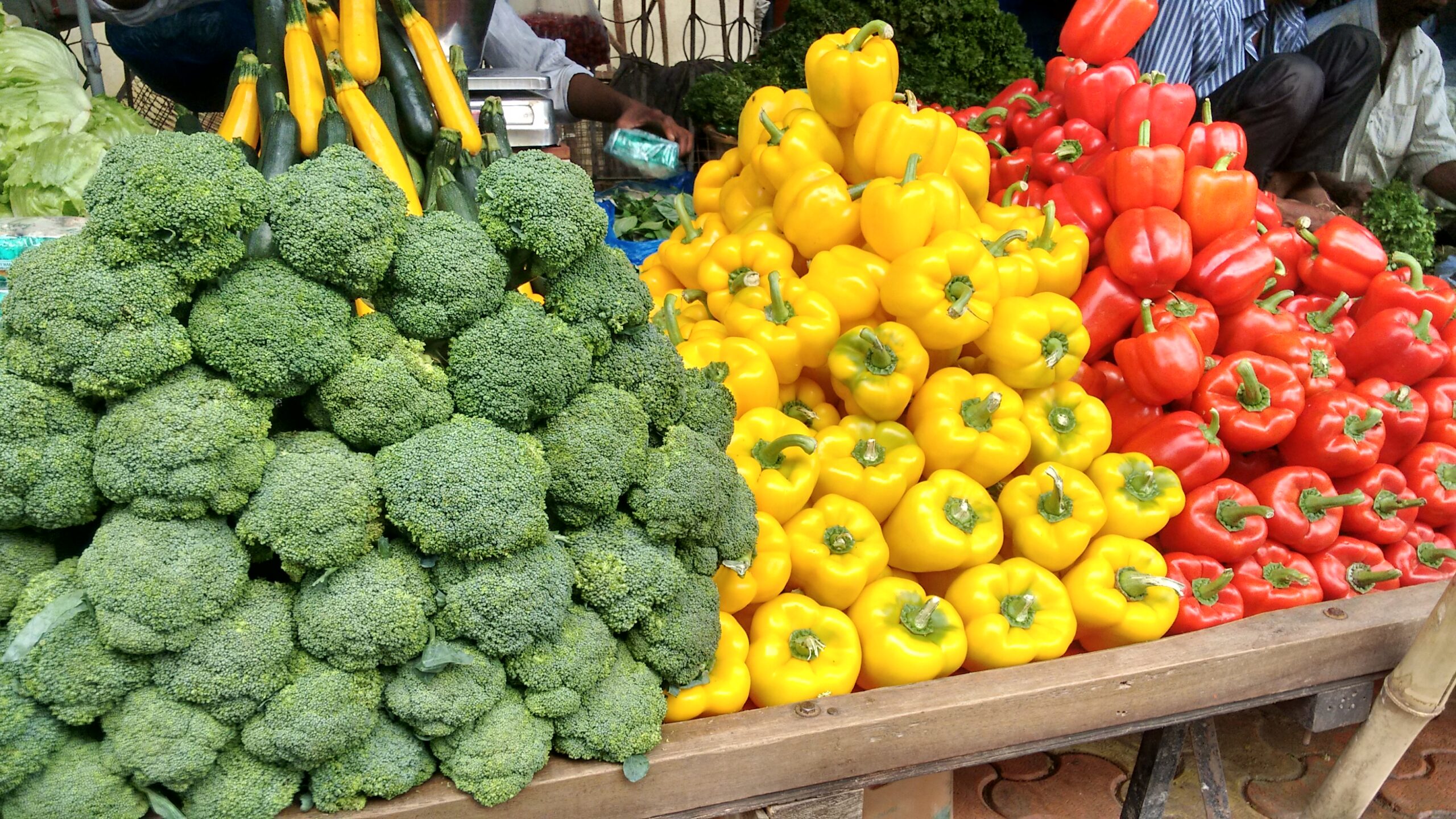
Colourful fresh vegetables at a Mumbai market — capsicum, broccoli and mixed produce

India uses over 60,000 tonnes of pesticides on food crops every year. FSSAI surveillance data consistently shows that a significant portion of fresh fruit and vegetables sold in Indian markets contain pesticide residues — and a measurable fraction of those exceed the Maximum Residue Limits (MRL) set for human safety. The problem is real, it is measurable, and it affects the produce on your plate today. This article tells you which crops carry the highest risk, which are the safest to buy, and what you can practically do about it.

In This Article


What Is India’s Dirty Dozen?

The “Dirty Dozen” concept originated with the US Environmental Working Group (EWG), which annually ranks American produce by pesticide residue levels. India does not have an equivalent official list — but it does have the data to build one.

India’s Dirty Dozen is compiled here from three primary sources:

  • FSSAI Food Safety Surveillance Reports (Food Safety and Standards Authority of India) — the government body that monitors MRL violations in food sold in Indian markets
  • CSE (Centre for Science and Environment, New Delhi) — India’s most rigorous independent pesticide residue monitoring body, whose laboratory studies have repeatedly found violations across Indian cities
  • ICAR (Indian Council of Agricultural Research) — research data on pesticide use patterns across Indian crop categories

The ranking reflects frequency of MRL violation, number of different pesticide types detected, and persistence of residues after washing — not just raw chemical application rates.


India’s Dirty Dozen — The 12 Highest-Residue Crops

1. Okra (Bhindi) — The Worst Offender

Bhindi is consistently flagged in Indian surveillance studies as one of the most pesticide-contaminated vegetables available. CSE testing from multiple Indian cities found a high proportion of bhindi samples exceeding MRL, with organophosphates, carbamates, and pyrethroids all detected simultaneously in the same samples. The thin, edible skin of bhindi retains residues that washing cannot fully remove.

2. Brinjal (Baingan / Eggplant)

Brinjal is sprayed heavily throughout its growing cycle because it is extremely susceptible to the brinjal fruit and shoot borer — a pest that forces farmers to spray 40 to 60 times per crop cycle in some regions. CSE studies identified brinjal as having the widest variety of different pesticide types in a single sample. The thin, dark skin absorbs residues; peeling helps but does not eliminate the problem entirely.

3. Chilli Pepper (Mirchi / Capsicum)

Chillies are one of India’s most heavily exported crops — and export rejection rates for Indian chilli shipments due to pesticide violations are among the highest of any Indian food product in EU and US border checks. Domestically, the same varieties sold for export are sold without the residue testing that export markets require. Multiple banned pesticides including monocrotophos have been detected in commercially sold chillies.

4. Tomato

Tomatoes are sprayed throughout their growing cycle for multiple fungal, bacterial, and insect threats. FSSAI surveillance has repeatedly found tomato samples with organophosphate and carbamate residues above permissible limits. The thin skin and high water content of tomatoes allow pesticides to penetrate into the flesh — meaning washing the surface addresses only a portion of the residue load.

5. Grapes

Commercial grape cultivation in India — particularly in Maharashtra and Karnataka — involves one of the most intensive pesticide programmes of any Indian crop. Fungicides are applied repeatedly to prevent powdery mildew and downy mildew; insecticides follow. Multiple studies have detected residues of carbendazim, chlorpyrifos, and in older studies monocrotophos in Indian market grapes. Grapes have thin, permeable skin and are eaten whole — making residue exposure direct and unavoidable without washing.

6. Spinach and Leafy Greens (Palak, Methi, Sarson)

Leafy vegetables have the largest surface area-to-mass ratio of any produce category — meaning more pesticide contact per gram of edible food. Spinach, fenugreek (methi), and mustard greens (sarson) are also fast-growing crops harvested frequently with short intervals between spraying and harvest. Systemic pesticides — those absorbed into the plant tissue rather than sitting on the surface — cannot be removed by washing at all.

7. Cauliflower

Cauliflower is susceptible to a wide range of pests and diseases and is typically sprayed 8 to 15 times per crop cycle. FSSAI surveillance has repeatedly found cauliflower samples with residues of chlorpyrifos and cypermethrin above MRL. The dense, curled structure of the cauliflower head traps residues between the florets in a way that simple rinsing cannot fully address.

8. Strawberry

Indian strawberry cultivation — centred in Himachal Pradesh, Maharashtra (Mahabaleshwar), and parts of Karnataka — relies heavily on fungicides because strawberries are exceptionally vulnerable to grey mould and other fungal diseases in humid growing conditions. The porous, unseeded surface of the strawberry absorbs residues directly. CSE testing found that a majority of strawberry samples from Delhi and Mumbai markets contained detectable residues.

9. Apple (Particularly Himachal Pradesh Commercial Varieties)

Commercial apple orchards in Himachal Pradesh and Jammu & Kashmir use intensive pesticide programmes for codling moth, apple scab, and fire blight. The apple skin, which contains the highest concentration of nutrients, also carries the highest concentration of residues. Post-harvest chemical treatment (wax coating with fungicide additives) adds a second layer of residue to commercially sold apples. Imported apples carry additional post-harvest chemical loads.

10. Mango

Mangoes are subject to both pre-harvest and post-harvest chemical treatment. Pre-harvest sprays target fruit flies, anthracnose, and powdery mildew; post-harvest treatment includes carbide for artificial ripening (illegal but widespread) and fungicide dips for extended shelf life. The skin of mangoes carries most of the residue load — peeling before eating significantly reduces exposure, though systemic pesticides absorbed during growth are not removed this way.

11. Cabbage

Cabbage is heavily treated for diamond-back moth — a pest that has developed resistance to many common insecticides, prompting farmers to use higher doses and more frequent applications. The layered structure of cabbage heads traps residues between the outer leaves; removing the outer two or three layers before eating is the most effective risk-reduction strategy for commercially grown cabbage.

12. Cucumber and Bottle Gourd (Kheera and Lauki)

Cucurbit vegetables — the gourd family including cucumber, bottle gourd, bitter gourd, and ridge gourd — are grown intensively across India with heavy pesticide use for aphids, whiteflies, and fruit flies. The thin skin of cucumbers is typically eaten, providing direct residue exposure. FSSAI monitoring has flagged cucumber and lauki samples from multiple markets for organophosphate and pyrethroid residues.


India’s Clean Fifteen — Safer Produce to Prioritise

These are the fruits and vegetables that consistently show the lowest pesticide residue in Indian monitoring data — either because their thick skins provide a natural barrier, because they are naturally pest-resistant, or because they are underground crops where the edible part is protected from spraying.

#ProduceWhy It’s Lower Risk
1OnionMultiple papery layers act as a barrier; sulfur compounds naturally repel pests
2BananaThick peel, not eaten; peel is the primary residue carrier
3PapayaThick skin + natural latex compounds deter insects
4PineappleVery thick, spiny inedible skin protects inner flesh completely
5AvocadoThick, leathery skin; one of the lowest-residue fruits globally
6JackfruitExtremely thick outer skin; inner flesh minimally exposed
7CoconutHard shell provides complete protection for the inner flesh and water
8Drumstick (Moringa)Naturally pest-resistant; minimal chemical treatment required
9WatermelonThick rind; inner flesh largely protected from surface residues
10Sweet PotatoUnderground crop; peeling removes most surface residues
11GingerUnderground + strong natural antimicrobial properties reduce pest pressure
12Turmeric (whole)Underground crop; processed before consumption reduces residue load
13GarlicUnderground, multilayered, pungent compounds naturally resist pests
14Sweet Corn (with husk)Husk provides physical barrier; inner kernels largely protected
15Lentils and Pulses (dried)Dry storage, washing, and cooking together reduce residues significantly

Why Does India Have a Pesticide Residue Problem?

Understanding the problem means understanding the system that creates it. Three structural factors explain India’s pesticide residue situation.

Banned Chemicals Still in Use

Several pesticides that are banned or severely restricted in the European Union, UK, and United States remain legally permitted for use in India. Chlorpyrifos — linked to neurodevelopmental harm in children and banned in the EU since 2020 — remains among the most widely used insecticides in Indian vegetable farming. Monocrotophos, banned for use on vegetables in India since 2005 but legally available for other crops, is routinely misapplied. Endosulfan, banned in India in 2011, is still detected in residue surveys years after the ban.

No Pre-Harvest Interval Compliance

Every registered pesticide has a “pre-harvest interval” (PHI) — the minimum number of days that must elapse between the last pesticide application and harvest. This interval allows the chemical to break down to safe levels. In Indian vegetable farming, where market prices fluctuate daily and farmers are under constant financial pressure, PHI compliance is inconsistent. Vegetables sprayed today are sold in the mandi tomorrow.

Monitoring Gaps

FSSAI’s surveillance programme covers major urban markets well — but the vast supply chain of India’s 7,000+ agricultural mandis operates largely without systematic residue testing at the point of sale. The result: testing catches violations after the fact, not before produce reaches consumers. The burden of risk management falls on the buyer, not the system.


What “MRL” Means and Why Exceeding It Matters

MRL stands for Maximum Residue Limit — the highest level of pesticide residue that is legally permitted in food intended for human consumption. MRLs are set by FSSAI in India, based on what level of residue is considered safe for a person eating a standard quantity of that food daily over a lifetime.

Two things are important to understand about MRLs:

  • MRLs are not zero. The presence of a pesticide residue below the MRL is considered acceptable by regulatory standards. The concern begins when residues exceed the MRL.
  • Multiple chemicals below MRL can add up. If a vegetable carries residues of 5 different pesticides, each individually below its MRL, the combined (cocktail) effect is not currently assessed in India’s regulatory framework. Emerging research suggests that combinations of low-level pesticide residues may have greater health effects than single-chemical exposure at the same dose.

This is why the Dirty Dozen list above is built not just on MRL violations but also on the number of different pesticide types detected in the same sample — a metric that captures cocktail risk.


5 Practical Steps to Reduce Your Exposure Right Now

1. Prioritise Organic or Farm-Traceable Sources for Dirty Dozen Items

You do not need to buy everything organic. The Dirty Dozen list exists precisely so you can make targeted decisions. If you eat bhindi, brinjal, and chillies regularly — as most Indian households do — these are the items where switching to a verified organic or directly-sourced farmer supply makes the most measurable difference to your pesticide exposure.

2. Soak Vegetables in Salt Water or Turmeric Water for 15 Minutes

Soaking produce in a solution of 1 tablespoon of salt or 1 teaspoon of turmeric powder in 2 litres of water for 15 minutes before washing has been shown to reduce surface pesticide residues more effectively than plain water rinsing alone. This does not remove systemic pesticides absorbed into plant tissue, but it addresses a meaningful portion of the surface residue load.

3. Peel Where Possible

For tomatoes, cucumbers, apples, and mangoes, peeling removes the majority of surface and sub-surface residues. Yes, you lose some fibre and skin nutrients by peeling — but if the alternative is unpeeled commercially grown produce with measurable residues, the trade-off is clear. For produce where peeling is not practical (leafy greens, bhindi, grapes), the priority is sourcing.

4. Remove the Outer Leaves of Cabbage and Cauliflower

The outermost leaves of cabbage carry the highest concentration of residues because they receive the most direct spray contact. Removing two or three outer leaves before washing the head significantly reduces the total residue load. For cauliflower, remove the leaves entirely and rinse the florets in running water before soaking.

5. Choose Mountain-Grown and Traditionally Farmed Produce

Produce grown at high altitude on traditional rain-fed farms — like the mountain grains, pulses, and spices from Uttarakhand — sits in a structurally different supply chain from commercial plains-grown vegetables. Himalayan terraced farming, by its geography alone, precludes the intensive mechanised chemical application that creates the residue levels seen in commercial flat-land production. This is not marketing language — it is the practical consequence of farming on steep, rain-fed, non-irrigated hillside terrain where spray equipment cannot be deployed the same way.

Grains like jhangora, pulses like gahat, and spices like Pahadi haldi are grown in conditions where synthetic chemical inputs have never been the norm — not because of certification, but because of geography and tradition.


Frequently Asked Questions

What vegetables have the most pesticide residue in India?

Based on FSSAI surveillance and CSE laboratory studies, the vegetables with the most frequently detected and highest levels of pesticide residue in India are: okra (bhindi), brinjal, chilli/capsicum, tomato, cauliflower, spinach and leafy greens, and cabbage. Grapes and strawberries are the fruits with the highest documented residue levels in Indian market surveys.

Does washing vegetables remove pesticides?

Washing removes some pesticide residues — specifically surface residues that have not been absorbed into the plant tissue. Plain water washing reduces surface residues by approximately 25–50%. Soaking in salt water or turmeric water for 15 minutes is more effective than rinsing alone. However, systemic pesticides — those absorbed into the plant during growth — cannot be removed by any washing method. Peeling and sourcing from lower-residue supply chains are the only ways to address systemic residues.

Is organic produce available across India?

Certified organic produce is available in most Indian cities through organic specialty stores, select supermarket chains (Nature’s Basket, Organic India retail outlets), and increasingly through direct-to-consumer farm delivery services. Certification under India’s NPOP (National Programme for Organic Production) or PGS-India (Participatory Guarantee System) provides some assurance — though PGS certification is less rigorous than NPOP. For traditional mountain-grown produce from tribal and hill farming communities, the absence of chemicals is often a structural reality of the farming system rather than a certified claim.

Are the pesticides found in Indian vegetables harmful?

The chemicals most commonly detected in Indian surveillance studies — chlorpyrifos, endosulfan, monocrotophos, carbendazim, and organophosphate compounds — are associated with a range of health concerns including neurotoxicity, hormonal disruption, and developmental effects in children. The risk level depends on dose and duration of exposure. Occasional exposure below MRL is considered acceptable by current regulatory science; chronic daily exposure to multiple low-level residues is an area of active research concern, particularly for children and pregnant women.

Which Indian states have the worst pesticide residue problems?

CSE studies and FSSAI data have repeatedly identified produce from Punjab, Haryana, Andhra Pradesh, and Maharashtra as carrying higher residue rates — states with intensive commercial vegetable and fruit cultivation under high-input farming systems. This does not mean all produce from these states is unsafe, but it contextualises where monitoring needs to be strongest. Northeastern states and hill farming regions (Uttarakhand, Himachal Pradesh traditional farms, Nagaland, Sikkim) generally show lower commercial pesticide intensity due to their farming structure.

Posted on Leave a comment

7 Traditional Himalayan Wellness Foods You Should Add to Your Daily Routine

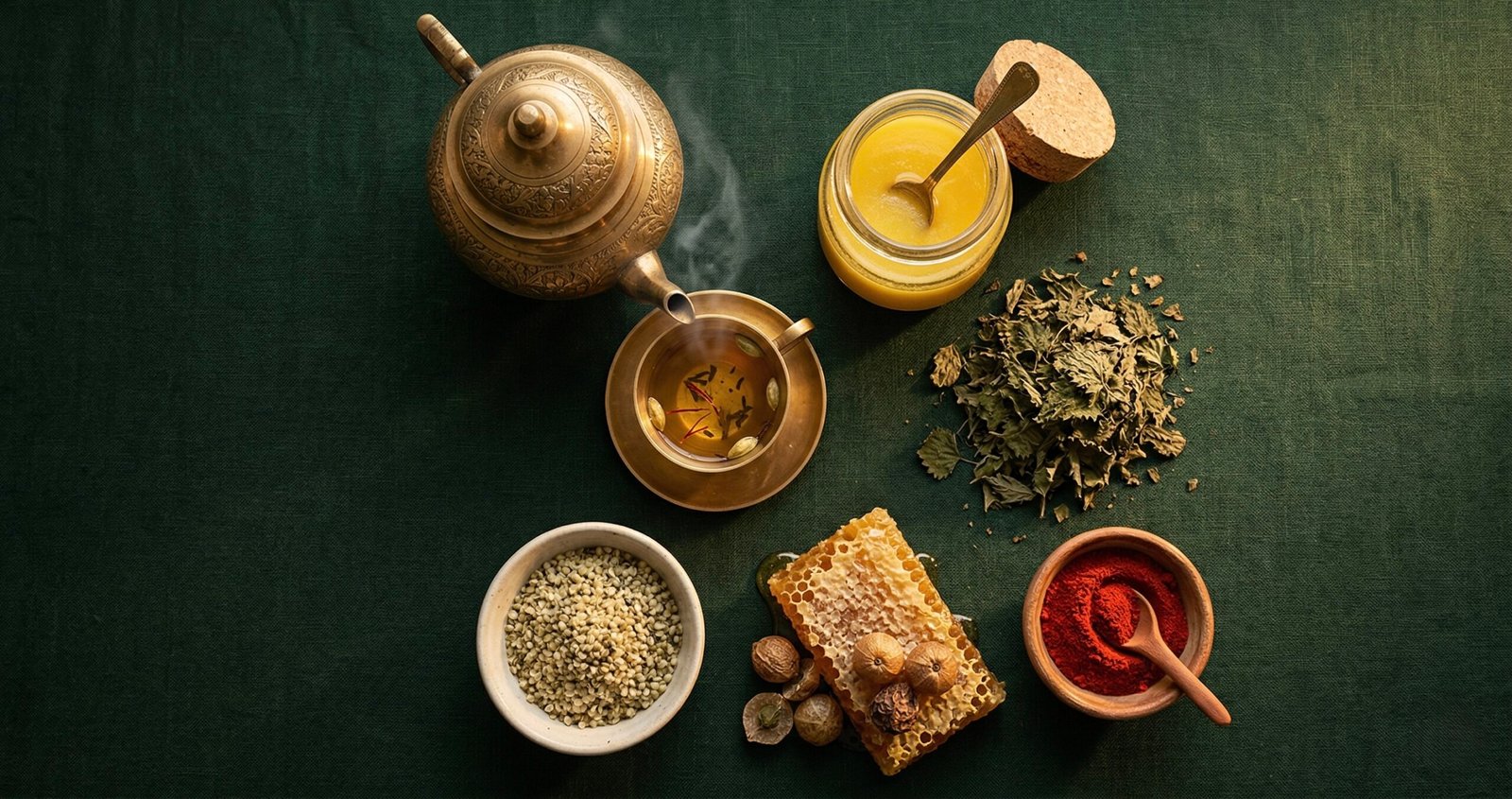
Traditional Himalayan wellness foods by Fyonli — Kashmiri Kahwa, bilona ghee, wild nettle tea, hemp protein and more

Modern wellness has a short memory. Collagen powders, adaptogens, cold plunges — trends arrive fast and fade faster. But across the villages of Uttarakhand, Kashmir and Himachal Pradesh, the same foods have been part of daily life for centuries. Not as superfoods. Not as supplements. Just as food — grown slowly, prepared simply, eaten with intention.

What we’ve found is that many of the most powerful wellness foods aren’t new discoveries. They’re old habits that got forgotten somewhere along the way to convenience.

These are seven traditional Himalayan wellness foods that have been part of daily life in these villages for centuries — long before anyone called them superfoods.


1. Kashmiri Kahwa — The Morning Ritual That Does More Than Wake You Up

Kahwa has been served in Kashmiri homes for centuries — traditionally brewed in a brass samovar called a samovar, and offered to every guest as a gesture of warmth. It isn’t just tea. It’s a blend of green tea, saffron, cardamom, cinnamon, cloves and ginger — each ingredient earning its place not by flavour alone but by function.

Saffron is rich in antioxidants and has been associated with improved mood. Green tea provides polyphenols that support metabolism and fat oxidation. Cardamom and cinnamon have natural anti-inflammatory and digestive properties. Together, they make Kahwa a genuinely useful morning drink — warming in winter, calming in any season, and far more interesting than plain green tea.

How to use it: Stir a spoonful into hot water, steep for two minutes, and drink before or after meals.

👉 Fyonli Kashmiri Kahwa Premix →


2. Wild Himalayan Nettle Tea — The Mineral Infusion Your Body Has Been Missing

In the Garhwal hills, wild nettle — locally called bichhu ghaas (stinging nettle) — grows on untouched slopes, and has been used in traditional wellness for generations. It’s foraged by hand, shade-dried to preserve its natural mineral content, and brewed simply: one teaspoon, hot water, five minutes.

What you get is a clean, slightly earthy infusion that is genuinely mineral-dense — iron, calcium, magnesium — in a form your body recognises. For anyone who pays attention to gut health, inflammation or simply wants to reduce their supplement intake and eat more real food, nettle tea is one of the most underrated additions to a daily routine.

No flavouring, no blending, no additives. Just leaves from a wild Himalayan hillside.

How to use it: Add 1 tsp to hot water, steep 5–7 minutes, strain and drink. Works morning or evening.

👉 Fyonli Wild Himalayan Nettle Tea →


3. Raw Honey Amla Bites — After-Meal Digestive the Old Way

Every traditional Indian household had some version of a post-meal digestive. Mukhwas, paan, a piece of jaggery — something to signal the end of eating and help the body process what it just received. Raw Honey Amla Bites are Fyonli’s version of this tradition, made the way it was always made in the hills: fresh amla coated in raw mountain honey, then balanced with warming spices — black salt, roasted cumin, dry ginger, black pepper, ajwain, hing and cardamom.

Amla (Indian gooseberry) is one of the richest natural sources of Vitamin C. Raw honey adds enzymes. The spice blend is a textbook Ayurvedic digestive formula. And because there’s no refined sugar, no stabilisers and no preservatives, what you’re eating is just food — the kind your grandmother would have made without thinking twice.

How to use it: Eat 2–4 pieces after lunch or dinner. Consider it your dessert replacement.

👉 Fyonli Raw Honey Amla Bites →


4. Mountain Cow Bilona Ghee — The Kitchen Essential That Was Never Meant to Be Optional

Ghee fell out of fashion for a generation when fat was blamed for everything. It’s back now, but not all ghee is equal. What makes a real difference is the method: Bilona ghee is made by first culturing milk into curd, churning that curd into butter, and then slow-cooking the butter into ghee. It’s slower, costlier and produces less yield — but the result is a grainy, aromatic ghee with a depth of flavour that clarified-from-cream ghee simply doesn’t have.

Fyonli’s Mountain Cow Ghee is made from the milk of desi cows that graze freely on mountain grasses and medicinal herbs across Kashmir and Uttarakhand. The origin matters here — what the cow eats changes the fat profile of the milk, and therefore the ghee. 885 kcal and 98g fat per 100g, of which 62g is saturated — numbers that look alarming until you understand that traditional fat sources eaten in moderation are very different from refined oils eaten in volume.

How to use it: A teaspoon on dal, rotis or khichdi. Or stirred into warm milk before bed.

👉 Fyonli Mountain Cow Ghee →


5. Hemp Seed Chutney Premix — A Garhwali Condiment Worth Rediscovering

Hemp seeds (bhanga beej) have been part of Garhwali cooking for centuries — well before anyone called them a superfood. The traditional chutney made from roasted hemp seeds, sesame, perilla seeds (bhangjeera), dry red chilli, cumin, mustard and rock salt is a village kitchen staple in Devprayag. Rich, nutty, mildly spiced — it goes with everything.

Fyonli’s Hemp Seed Chutney Premix is crafted by women self-help groups using the same slow-roasting methods that have been passed down for generations. At 18g protein per 100g and a complete amino acid profile from the hemp seeds, it’s more nutritious than most condiments you’ll find. But more importantly, it tastes like something with a story — because it does.

How to use it: Mix with warm water for a quick chutney, or grind with garlic and lemon for a fuller, richer version. Excellent with rotis, rice or as a dip.

👉 Fyonli Hemp Seed Chutney Premix →


6. Pahadi Lyoon — The Herb Salt That Replaces Three Condiments at Once

Every pahadi kitchen has a version of lyoon — a blend of mountain garlic, ginger, chilli, cumin, ajwain and rock salt that goes on everything. It’s not a recipe so much as a habit: sprinkle it on dal-chawal, rotis, fresh fruit, raita, salads. It adds heat, depth and the particular warmth of mountain garlic (lahsun) that flat-land garlic doesn’t quite replicate.

Made in Tehri Garhwal by hand, Fyonli’s Pahadi Lyoon is artisanal in the original sense of the word — made by hand, in small batches, with no preservatives and no fillers. For anyone trying to reduce processed sauces and condiments, this is one of the simplest and most effective swaps.

How to use it: Sprinkle over any meal. Use a dry spoon to preserve shelf life.

👉 Fyonli Pahadi Lyoon →


7. Himalayan Hemp Protein — Plant Protein That Tastes Like Food, Not a Supplement

The plant protein market is full of products that require a lot of willpower to consume. Chalky textures, artificial sweeteners, flavour systems built in a lab. Himalayan Hemp Protein is a different kind of product: hemp seed powder, pumpkin seed powder, almond powder, date powder, cinnamon and cardamom. Six ingredients. No additives. No refined sugar. No preservatives.

At 22g protein per 100g, it holds its own nutritionally. But the point isn’t the number — it’s the fact that you can stir it into milk, blend it into a smoothie, or mix it into a breakfast bowl and it tastes like something you’d actually want to eat. Because the ingredients are real, the taste is real.

How to use it: 1–2 tablespoons (10–15g) in milk, water or a smoothie. Best in the morning or after a workout.

👉 Fyonli Himalayan Hemp Protein →


Why Traditional Himalayan Wellness Foods Belong in Your Daily Routine

None of these seven foods are recent inventions. They come from communities that didn’t have supermarkets, supplement aisles or nutritional labels. They ate what was available, prepared it with care, and were remarkably well-nourished as a result.

Each of these traditional Himalayan wellness foods carries a story of place, community and slow craft.

The Himalayan tradition isn’t about perfection or restriction. It’s about rhythm — eating foods that are close to their source, prepared with intention, and used consistently enough to actually make a difference.

That’s what Fyonli is about too. Slow-crafted in the Himalayas, in rhythm with nature.