Posted on Leave a comment

Pahadi Til vs Regular Sesame Seeds: Nutrition Comparison and Winter Uses

Pahadi til vs regular sesame seeds — if you have only ever bought the small glass jar of sesame from a supermarket shelf, you have likely never tasted the difference hulling and growing method actually make. Til (Sesamum indicum) is one of India’s oldest cultivated oilseeds, and most of what is sold commercially today has been mechanically dehusked for a lighter colour and smoother tahini texture — a process that quietly strips away most of the seed’s standout nutrient: calcium.

Pahadi Til, grown rain-fed in the Garhwal hills and left whole and unhulled, is the same species but a genuinely different product on the plate. This article breaks down what separates the two, compares them nutrient-for-nutrient, and covers why til earns its place in Indian kitchens specifically as the weather turns cold — from tilgul and chikki at Makar Sankranti to everyday winter tempering.

Quick answer: Til and sesame are the same seed — til is simply the Hindi/Sanskrit name for Sesamum indicum. The real difference is processing: most commercial sesame is hulled (decorticated) to look uniform and pale, a step that removes the seed coat and, with it, most of its calcium — whole, unhulled sesame carries roughly 975mg of calcium per 100g, while hulled sesame typically drops to around 60–70mg. Pahadi Til is grown rain-fed without chemical inputs and left whole and unhulled, so it retains that full mineral profile, along with more fibre, iron and magnesium than the commercial hulled sesame most Indian households actually use.

In This Article


What Is Til? Is It the Same as Sesame?

Til is the Hindi and Sanskrit name for sesame — the tiny, oil-rich seed of the Sesamum indicum plant, one of the oldest oilseed crops cultivated by humans, with evidence of use in the Indian subcontinent going back over 5,000 years. “Til” and “sesame” are not two different foods; they are the same seed under two different names, the way “toor” and “arhar” are the same pulse and “mandua” and “ragi” are the same millet.

The plant produces small pods that burst open at maturity, releasing flat, oval seeds that range in colour from pale ivory to reddish-brown to black, depending on the variety. India is one of the world’s largest producers and consumers of sesame, and til shows up across the country’s food culture in forms as varied as South Indian ellu podi, Bengali til-er naru, Maharashtrian tilgul, and North Indian gajak and chikki.

So when someone asks “is Pahadi til different from sesame,” the honest short answer is: not botanically. The real difference — the one that actually changes what ends up in your kitchen — is where and how the seed was grown and processed after harvest.


Til’s Regional Names Across India

Like most staples this old, sesame carries a different name in nearly every Indian language:

Region / LanguageLocal Name for Sesame
Hindi / Uttarakhand (Garhwali, Kumaoni)Til
Tamil Nadu (Tamil)Ellu
Karnataka (Kannada)Yellu
Andhra Pradesh / Telangana (Telugu)Nuvvulu
West Bengal (Bengali)Til
Maharashtra (Marathi)Til
Gujarat (Gujarati)Til
Punjab (Punjabi)Til
English (common)Sesame, Gingelly, Benniseed
Scientific nameSesamum indicum

Unlike toor dal and arhar dal, where two names split India roughly east-west, “til” is the name that travelled furthest across regional languages, with only South India using a genuinely different word family (ellu/yellu/nuvvulu). If you searched “til in English,” the answer is simply sesame — no further translation needed.


What Makes Pahadi Til Different From Commercial Sesame?

Two things separate Pahadi Til from the sesame in a typical supermarket packet: how it is grown, and whether it is hulled after harvest.

Growing Conditions

Pahadi Til is grown rain-fed in the Garhwal hills of Uttarakhand, without irrigation and without chemical fertiliser or pesticide, on a slower growing cycle than the large-scale, irrigated sesame cultivation of Gujarat, Rajasthan, Madhya Pradesh and West Bengal — the states that supply most of India’s commercial sesame. That unhurried cycle gives the seed more time to develop oil content and flavour complexity, a pattern consistent with other slow-grown Himalayan crops.

Processing — the Bigger Difference

This is the difference that matters most nutritionally. A large share of commercially sold sesame — especially the pale, uniform seed used for bakery toppings, tahini and packaged “sesame seeds” jars — is hulled (decorticated): the outer seed coat is mechanically removed to produce a lighter colour, smoother texture and milder flavour. That seed coat is also where most of sesame’s calcium, along with a meaningful share of its fibre and iron, is concentrated. Hulling makes the seed more visually appealing and easier to grind into tahini, but it also removes the bulk of what makes sesame nutritionally exceptional in the first place.

Pahadi Til, sourced directly from small hill farms, is left whole and unhulled — no dehusking, no bleaching, no processing beyond cleaning and drying. It looks less uniform than the pale sesame in a supermarket jar, with natural colour variation across the seeds, and that is exactly the point: the whole seed coat, and everything in it, is still there.


Pahadi Til vs Regular Sesame Seeds: Nutrition Comparison

The clearest way to see the difference is side by side. These figures reflect the typical, widely documented nutritional profile of whole/unhulled sesame — the category Pahadi Til falls into — versus hulled, commercially processed sesame, per 100g of dry seed:

Nutrient (per 100g)Whole, Unhulled Sesame (Pahadi Til)Hulled, Commercial Sesame
Calcium~975mg~60–70mg
Iron~14.6mg~2.5–3mg
Magnesium~350mg~90–100mg
Dietary fibre~11–12g~4–6g
Protein~18g~17–18g
Fat (mostly healthy unsaturated)~49–50g~48–50g

Protein and fat content stay broadly similar either way, since hulling removes the seed coat, not the oil-rich kernel. Calcium, iron, magnesium and fibre are where the gap opens up — and it is a large gap, not a marginal one. A tablespoon of whole, unhulled til can meaningfully contribute to daily calcium intake in a way that the equivalent spoon of hulled sesame simply cannot.


Why Hulling Strips Away Sesame’s Calcium

Sesame’s calcium is not spread evenly through the seed — it is concentrated in the thin outer seed coat, in the form of calcium oxalate crystals. Decortication (hulling) is a mechanical process that abrades or dissolves away that outer layer to leave a smoother, paler kernel behind. It is done for appearance and functionality, not nutrition: hulled sesame grinds into smoother tahini, looks more uniform on bakery toppings, and has a milder flavour that is easier to standardise commercially.

The trade-off is that the same layer being removed for cosmetic and textural reasons happens to carry most of the seed’s calcium, along with meaningful iron and fibre. This is the same processing logic seen in polished dal and refined salt — a step that makes the product look more “finished” while quietly removing the part of the food that made it nutritionally distinctive. Neither hulled nor unhulled sesame is unsafe; the difference is closer to brown rice versus white rice, or whole atta versus refined maida.


Health Benefits Worth Knowing

  • One of the richest plant sources of calcium — whole sesame’s calcium content rivals or exceeds many dairy foods gram-for-gram, relevant for lactose-intolerant and plant-forward households.
  • Meaningful plant-based iron — whole til contributes real iron per serving, useful alongside a vitamin C source (like citrus or amla) to improve absorption.
  • Healthy unsaturated fats — sesame oil is predominantly monounsaturated and polyunsaturated fat, with naturally occurring lignans (sesamin, sesamolin) that have been studied for antioxidant properties.
  • Supports bone and joint health — the combination of calcium, magnesium and zinc in whole sesame is traditionally associated with bone strength in Ayurvedic and folk nutrition practice.
  • Warming, energy-dense food for cold weather — sesame’s high fat and mineral density is a traditional reason it is eaten more heavily in Indian winters than in summer.

This is general nutritional information based on the known composition of whole sesame, not a medical claim. Sesame is a common allergen for some individuals, and anyone managing a specific health condition should speak to a doctor or dietitian before making significant dietary changes.


Winter Uses: Til at Makar Sankranti and Beyond

Til’s biggest moment on the Indian food calendar is Makar Sankranti (mid-January), when it is eaten across the country specifically because of its warming, energy-dense qualities — a piece of food wisdom that lines up with what the nutrition actually shows: sesame’s fat and mineral density make it a genuinely useful cold-weather food, not just a symbolic one.

  • Til-gud laddoo — the classic Maharashtrian and North Indian Makar Sankranti sweet, sesame and jaggery bound together, eaten with the phrase “til-gul ghya, god god bola” (accept this sweet, speak sweetly).
  • Chikki and gajak — sesame-jaggery brittle, a North Indian winter staple sold on roadside stalls from November through February.
  • Tilkut — the Bihar and eastern UP specialty of pounded sesame and jaggery, traditionally made fresh through the winter months.
  • Til-er naru — the Bengali sesame-jaggery ladoo made through the Poush Sankranti season.
  • Everyday winter tempering — a spoon of roasted til stirred into warm dal, sabzi or chutney adds both flavour and a meaningful mineral boost through the colder months, well beyond the festival window.
  • Sesame oil for winter skin — traditionally used in Ayurvedic practice for winter oil massage (abhyanga), valued for its warming quality and skin-nourishing fatty acid profile.

Whole, unhulled Pahadi Til works in every one of these recipes exactly as regular sesame does — the nutritional advantage does not require any recipe adjustment, only a slightly heavier hand when grinding for laddoo, since the intact seed coat gives it a touch more bite than hulled sesame.


How to Roast, Store and Cook With Pahadi Til

  • Dry roast before use — toast on a low flame, stirring constantly, until the seeds turn a shade darker and release a nutty aroma and a faint popping sound. Roasting improves both flavour and digestibility.
  • Sprinkle on finished dishes — rice, salads, stir-fries, rotis and raita all take roasted til well as a finishing touch.
  • Grind for chutneys and tahini-style pastes — whole til grinds into a slightly coarser, more mineral-forward paste than hulled sesame; blend with roasted peanuts, garlic and chilli for a Maharashtrian-style til chutney.
  • Make tilgul, chikki or gajak — combine roasted til with melted jaggery, set, and cut into pieces.
  • Store cool and dry — because unhulled til retains its natural oils and outer layer, keep it in an airtight container away from direct heat and sunlight, and use within a few months of opening for best flavour, since whole seeds with intact oils can turn rancid faster than heavily processed ones if stored carelessly.

Where to Buy Authentic Pahadi Til Online

Most sesame sold in Indian supermarkets and online is hulled, uniformly pale, and sourced from large-scale, irrigated commercial farming. There is nothing wrong with that seed, but it is a different product from hill-grown, unhulled til — and very little of what is labelled “Himalayan” online is actually traceable to a real hill farm.

Fyonli’s Pahadi Til is grown rain-fed and chemical-free in the Garhwal hills and left exactly as it comes off the plant — whole, unhulled, with no bleaching or processing beyond cleaning. It carries a deeper flavour and richer mineral content than commercially grown sesame, sourced directly from small Himalayan farms in small batches.

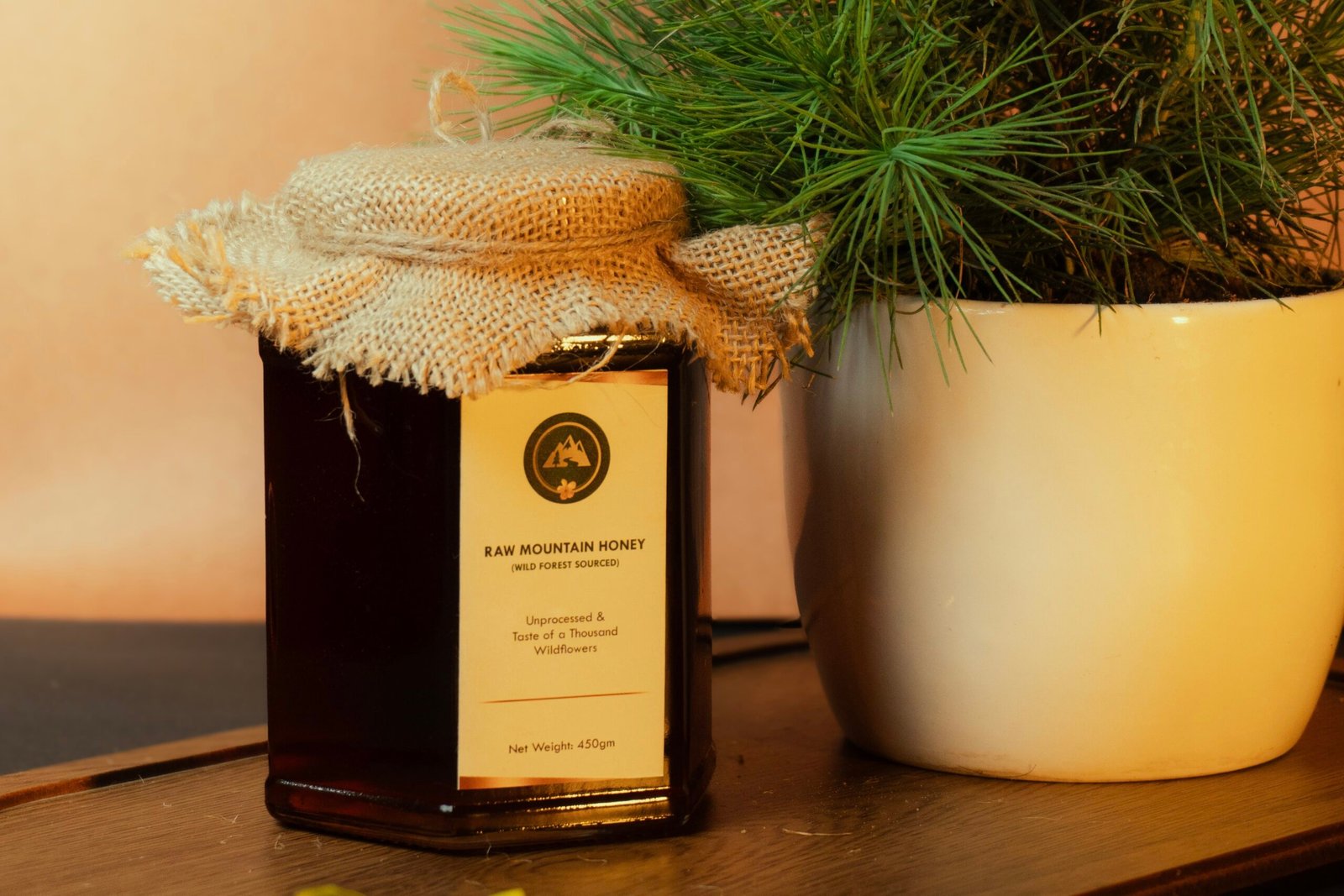
If you are building a winter Himalayan pantry, our wild Bhangjeera (perilla seeds) pairs naturally with til in traditional Garhwali chutneys, and our Raw Mountain Honey is a natural partner for a til-based winter sweet in place of refined sugar.

Shop Pahadi Til → Shop All Spices, Nuts & Seeds →


You might also like:

  1. Is til the same as sesame seeds?

    Yes. Til is simply the Hindi and Sanskrit name for sesame — the seed of the Sesamum indicum plant. There is no botanical difference between “til” and “sesame”; the words describe the same seed in different languages, the way toor and arhar describe the same pulse.

  2. What is the actual difference between Pahadi til and regular sesame seeds?

    They are the same species, but Pahadi til is grown rain-fed and chemical-free in the Garhwal hills and left whole and unhulled after harvest. Most regular commercial sesame is grown on large, irrigated farms and mechanically hulled (decorticated) to produce a paler, more uniform seed — a process that removes most of the seed coat and, with it, most of the seed’s calcium, iron and fibre.

  3. Why does unhulled sesame have so much more calcium than hulled sesame?

    Sesame’s calcium is concentrated in its thin outer seed coat as calcium oxalate crystals. Hulling (decortication) mechanically removes that seed coat to create a smoother, paler kernel for bakery use and tahini production. Whole, unhulled sesame retains roughly 975mg of calcium per 100g, while hulled sesame typically drops to around 60–70mg — a difference driven entirely by processing, not variety.

  4. Is Pahadi til good for winter and Makar Sankranti recipes?

    Yes, and it works in any recipe that calls for regular sesame — til-gud laddoo, chikki, gajak, tilkut and til-er naru all use the same technique regardless of which sesame is used. Because Pahadi til is unhulled, expect a slightly more textured bite and a nuttier flavour than the smoother, paler sesame most recipes are written around.

  5. Is sesame (til) good for bone health?

    Whole, unhulled sesame is one of the richest plant sources of calcium, along with magnesium and zinc, all of which support bone health. This benefit is significantly reduced in hulled commercial sesame, since most of the calcium is concentrated in the outer seed coat that hulling removes.

  6. How should I store and roast Pahadi til?

    Dry roast on a low flame, stirring constantly, until the seeds darken slightly and release a nutty aroma. Store roasted or raw til in an airtight container away from heat and direct sunlight, and use within a few months of opening — whole seeds with intact natural oils can turn rancid faster than heavily processed, oil-stripped sesame if left exposed to air and warmth.

  7. Can people with a sesame allergy eat Pahadi til?

    No. Sesame is a recognised allergen regardless of whether it is hulled or unhulled, whole or ground into oil or tahini. Anyone with a known sesame allergy should avoid til and Pahadi til in every form, and check packaged foods for cross-contamination.

Posted on Leave a comment

Himalayan Nettle Salt vs Regular Table Salt: What Makes This Ancient Mountain Salt Different

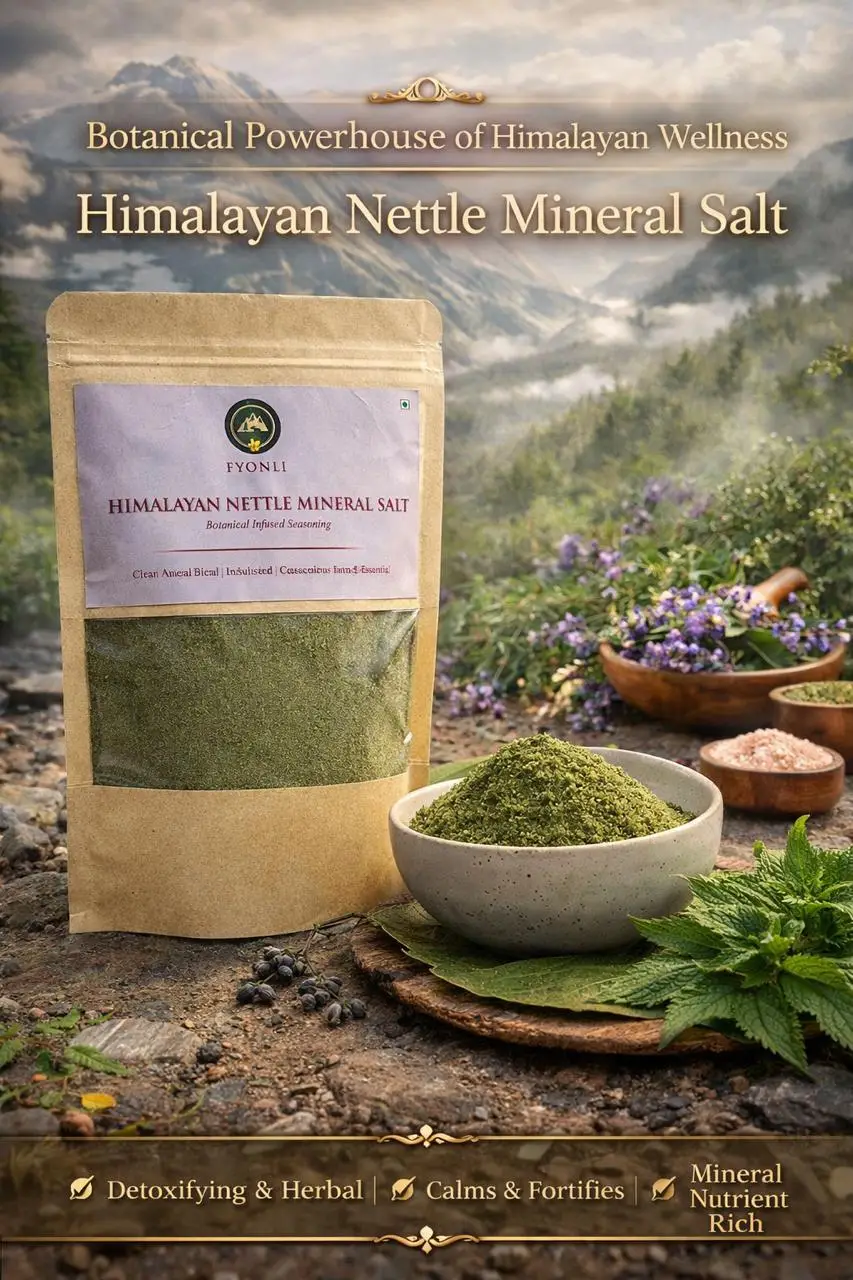
Himalayan Nettle Mineral Salt

Himalayan nettle salt vs regular table salt — most people have never had to compare the two, because nettle salt has barely existed as a category until now. That is exactly the point. This is a genuinely uncommon Himalayan ingredient: wild-foraged stinging nettle, ground into a mineral-dense pink salt blend, made the way Garhwal households have seasoned food for generations — not a supermarket product with a wellness label stuck on it.

This article breaks down exactly what separates Himalayan nettle salt from the refined table salt sitting in most Indian kitchens — how each is made, what each actually contains, and whether switching is worth it for your cooking and your health.

Quick answer: Regular table salt is refined sodium chloride, stripped of trace minerals, bleached, and usually treated with anti-caking agents and synthetic iodine. Himalayan nettle salt is unrefined Himalayan pink salt blended with wild-foraged nettle powder, roasted cumin and garlic — retaining 84+ naturally occurring trace minerals from the salt itself, plus the iron, calcium, vitamin C and chlorophyll naturally present in nettle. It is not iodised, contains no anti-caking agents, and is processed by hand in small batches rather than industrially refined.

In This Article


What Is Himalayan Nettle Salt?

Himalayan nettle salt is a botanical-infused finishing salt that combines unrefined Himalayan pink salt with wild stinging nettle (Urtica dioica), known in the Garhwal hills as bichhu ghaas. Roasted cumin and garlic are typically added to round out the flavour into a complete, ready-to-use seasoning rather than a single-note salt.

Unlike plain Himalayan pink salt — which is a single mineral ingredient — nettle salt is a functional blend. The nettle is foraged by hand from high-altitude meadows, shade-dried, and ground into a fine powder before being combined with the salt. It carries a clean, grassy earthiness that plain rock salt simply does not have, alongside the mineral density nettle is known for in Himalayan folk medicine and Ayurvedic practice.

There is very little written about this specific combination anywhere online, which is unusual for a food ingredient in 2026. Most “Himalayan salt” content online is about plain pink salt lamps and bath salts imported from Pakistan’s Khewra mines. Nettle-infused seasoning salt, made from Himalayan-foraged nettle rather than European nettle, is close to undocumented territory — which is part of why so few people know it exists yet.


How Regular Table Salt Is Actually Made

To understand what makes nettle salt different, it helps to know what happens to ordinary table salt before it reaches a shaker.

Most commercial table salt starts as either mined rock salt or salt evaporated from seawater or brine. It is then industrially refined — a process that strips out virtually every trace mineral except sodium and chloride. What remains is close to 99% pure sodium chloride, which is why refined table salt tastes sharp and one-dimensional compared to unrefined salts.

After refining, most table salt is treated further:

  • Anti-caking agents — additives like sodium ferrocyanide or silicon dioxide are added so the salt flows freely and does not clump in humid conditions.
  • Synthetic iodisation — potassium iodate is added to prevent iodine-deficiency disorders, a genuinely important public health measure, but one that changes the salt’s chemical composition and can leave a faint metallic aftertaste.
  • Bleaching — some commercial salt is chemically treated to achieve a uniformly white appearance, removing the natural colour variation that indicates a less-processed mineral content.

None of this makes table salt unsafe. Iodised salt in particular has been a genuine public health success in preventing goitre and iodine-deficiency disorders in India. But it does mean regular table salt is a highly processed, single-mineral product — the opposite of what Himalayan nettle salt is built to be.


Himalayan Nettle Salt vs Table Salt: 5 Differences That Matter

1. Himalayan Nettle Salt vs Table Salt: Mineral Content

Refined table salt is almost pure sodium chloride — the refining process removes the trace minerals that were originally present in the raw salt. Himalayan pink salt, the base of nettle salt, is unrefined and carries over 84 naturally occurring trace minerals, including magnesium, potassium, calcium and iron, in the same crystal form they existed in millions of years ago. Nettle salt adds a second, plant-based mineral layer on top of that through the nettle itself.

2. Himalayan Nettle Salt vs Table Salt: Processing and Additives

Table salt is industrially refined and, in most cases, treated with anti-caking agents. Genuine Himalayan nettle salt is hand-processed in small batches — the salt is not chemically treated, and the nettle, cumin and garlic are dried and ground using traditional methods rather than industrial processing. There is nothing added purely for shelf appearance or flow.

3. Himalayan Nettle Salt vs Table Salt: Added Nutrition From Nettle

This is the difference that does not exist in any comparison between plain pink salt and table salt — because it comes entirely from the nettle, not the salt. Stinging nettle is one of the most mineral-dense leafy plants found in the Himalayan belt, traditionally valued for its iron, calcium, magnesium and vitamin C content, along with chlorophyll. Table salt contributes nothing nutritionally beyond sodium. Nettle salt contributes sodium plus a genuine plant-based micronutrient boost, in the quantities a seasoning is actually used in.

4. Himalayan Nettle Salt vs Table Salt: Flavour and How Much You Actually Use

Refined table salt has a flat, purely salty profile, which means the only way to add depth to a dish is to add more of it, or add separate spices on top. Nettle salt arrives with built-in complexity — the grassy earthiness of nettle, the warmth of roasted cumin, the savoury anchor of garlic — so it seasons and flavours in a single step. Many home cooks find they naturally use less of it per dish than they would plain salt, simply because the flavour is already more complete.

5. Himalayan Nettle Salt vs Table Salt: Iodine

Table salt sold in India is typically iodised by law for public health reasons. Himalayan nettle salt is not artificially iodised — it contains only the trace iodine naturally present in its raw ingredients. This is worth knowing rather than ignoring: if iodised salt is your household’s main dietary source of iodine, keep a source of iodine in your diet from elsewhere (dairy, eggs, seafood) if you switch your everyday salt to nettle salt.


Why Wild Himalayan Nettle Is the Real Differentiator

Himalayan pink salt on its own is no longer a novel ingredient — it is sold in every supermarket and health food aisle in India. What makes this particular product genuinely uncommon is the nettle.

Bichhu ghaas grows wild on the untouched, high-altitude slopes of the Garhwal Himalayas. It has a long history in Himalayan folk medicine and Ayurvedic practice, traditionally brewed as a tea or cooked as a green vegetable in mountain households — valued for its mineral density long before “nettle” appeared on any wellness brand’s ingredient list. Because it stings on contact, it has never been farmed at scale — it is foraged by hand, which naturally keeps it a small-batch, regional ingredient rather than a mass-market commodity.

Turning foraged nettle into a shelf-stable seasoning salt — rather than just a tea — is what makes this product distinct. It takes a wild, hyper-local ingredient with a real traditional-medicine pedigree and makes it usable in ordinary, everyday cooking: dal, sabzi, roasted vegetables, raita. That combination — wild Himalayan botanical plus daily-use seasoning format — is genuinely rare, which is exactly why there is so little written about it anywhere yet.


Health Benefits Worth Knowing

  • Rich in trace minerals — every pinch carries the naturally occurring minerals in Himalayan pink salt alongside the botanical minerals from wild nettle.
  • Natural source of iron and calcium — nettle is one of the richest plant-based sources of iron and calcium, relevant for vegetarian and plant-forward households.
  • Supports digestive comfort — roasted cumin has a long history in Ayurvedic practice as a digestive aid, traditionally used to ease bloating and stimulate digestive enzymes.
  • Anti-inflammatory properties — stinging nettle contains natural flavonoids and polyphenols that have been studied for anti-inflammatory effects.
  • No hidden additives — free of MSG, iodine additives, silicon dioxide and the bleaching agents used in standard table salt production.

This is general nutritional information based on the traditional and known properties of these ingredients, not a medical claim. Salt of any kind should still be used in moderation, and anyone managing a specific health condition should speak to a doctor before changing their diet.


Who Should Make the Switch?

Stay with iodised table salt if:

  • It is your household’s primary dietary source of iodine and you are not getting it elsewhere
  • You are following a specific medical or dietary protocol that requires plain refined salt

Switch to Himalayan nettle salt if:

  • You already eat iodine from dairy, eggs or seafood and want a less-processed everyday salt
  • You are a vegetarian or plant-forward household looking to quietly add more iron and calcium to daily meals
  • You want to reduce the number of separate spice jars you reach for — nettle salt does salt, herb and warmth in one
  • You read labels, avoid additives, and want a transparent, small-batch supply chain over a mass-market one

How to Use Himalayan Nettle Salt in Everyday Cooking

  • As a finishing salt — sprinkle over roasted vegetables, grilled paneer, eggs, soups or dal just before serving for a mineral-rich, aromatic lift.
  • As a 1:1 table salt replacement — use directly in curries, sabzis, rice dishes and lentils in place of regular salt.
  • In buttermilk and chaas — stir a pinch into chilled buttermilk with torn curry leaves for a classic North Indian digestive drink.
  • In lemon or jeera water — add a pinch to morning hydration drinks for a mineral-boosting start to the day.
  • On salads and raitas — use in cucumber raita, kachumber or fruit chaat, where the nettle and cumin add complexity without overpowering fresh ingredients.
  • In marinades — combine with olive oil, lemon and fresh herbs for a clean, one-ingredient seasoning base for chicken, fish or vegetables.

A Note on Sodium and Long-Term Health

Switching to Himalayan nettle salt does not mean unlimited salt is suddenly fine. Sodium chloride is sodium chloride, whichever form it comes in, and excess sodium intake is linked to high blood pressure regardless of whether the salt is refined or unrefined. According to the World Health Organization, most people worldwide consume more sodium than recommended, and reducing overall intake — not just switching salt types — is what actually protects long-term cardiovascular health.

What nettle salt changes is what comes with the sodium: fewer processing additives, a broader mineral profile, and a genuine nutritional contribution from the nettle itself. It is a better everyday salt, not a licence to season without limits.


Where to Buy Authentic Himalayan Nettle Salt Online

Fyonli’s Himalayan Nettle Mineral Salt is slow-crafted in Devprayag, Tehri Garhwal, from wild nettle foraged in the high-altitude meadows of the Garhwal Himalayas, blended with Himalayan pink salt, roasted cumin and garlic. Four clean ingredients, no fillers, no anti-caking agents, no artificial flavours — FSSAI licensed (Lic. No: 22625066000185).

It is made by the same small team, in the same village, using the same wild-foraged nettle that has seasoned Garhwal kitchens for generations — just packed for yours.

Shop Himalayan Nettle Mineral Salt →


You might also like:

  1. What is Himalayan nettle salt made of?

    Himalayan nettle salt is a four-ingredient blend of Himalayan pink salt, wild-foraged nettle powder, roasted cumin and garlic. Unlike plain pink salt, which is a single mineral ingredient, nettle salt is a functional seasoning built to replace table salt while adding plant-based nutrition and flavour in one step.

  2. Is Himalayan nettle salt healthier than regular table salt?

    It is a less processed, more mineral-diverse option. Regular table salt is refined to near-pure sodium chloride and often treated with anti-caking agents and synthetic iodine. Himalayan nettle salt retains the 84+ trace minerals naturally present in unrefined Himalayan pink salt, plus the iron, calcium and vitamin C naturally present in nettle. Both are still sodium sources and should be used in moderation.

  3. Does Himalayan nettle salt contain iodine?

    No. It is not artificially iodised, unlike most commercial table salt sold in India. It contains only trace iodine naturally present in its raw ingredients. If iodised salt is your main dietary source of iodine, make sure you are getting iodine from other foods such as dairy, eggs or seafood if you switch your everyday salt.

  4. Can I use Himalayan nettle salt as a direct substitute for table salt?

    Yes. It works as a 1:1 replacement for table salt in most Indian cooking — dals, curries, sabzis and rice dishes. Because the flavour is more complex than plain salt, many people find they naturally use slightly less to reach the same seasoning effect.

  5. Where does the nettle in Himalayan nettle salt come from?

    The wild stinging nettle (Urtica dioica), known locally as bichhu ghaas, is foraged by hand from high-altitude meadows in the Garhwal Himalayas of Uttarakhand. It is shade-dried and ground without chemical preservatives or synthetic drying agents before being blended into the salt.

  6. Why is there so little information about Himalayan nettle salt online?

    Because it is a genuinely uncommon product. Most Himalayan salt content online covers plain pink salt lamps or bath salts. A seasoning blend built around wild-foraged Garhwal nettle, rather than European nettle or plain rock salt, has almost no existing coverage — it is a small-batch, regionally sourced product rather than a mass-market one.

  7. Is Himalayan nettle salt safe for children and everyday family cooking?

    Yes. All ingredients are natural, food-grade, and free of additives, preservatives or common allergens. As with any salt product, use age-appropriate quantities for young children, and consult a paediatrician if your child is on a sodium-restricted diet.

Posted on Leave a comment

Himalayan Hemp Protein vs Whey Protein: Which Is Better for Indian Diets?

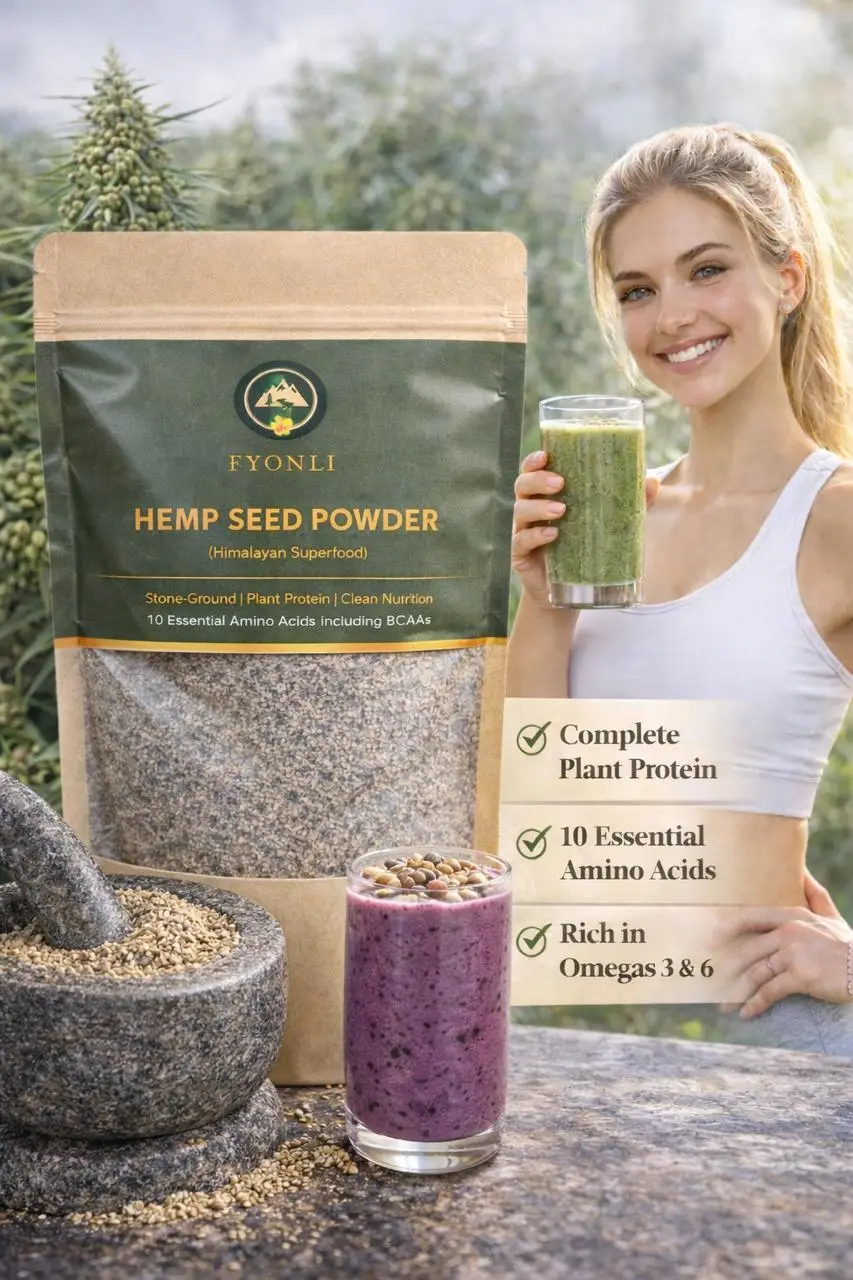
Himalayan Hemp Protein

If you’ve typed “hemp protein vs whey protein” into Google before adding either to your cart, you already know the honest answer isn’t a clean win for one side. Whey wins on paper — it’s the most researched, fastest-absorbing protein on the planet. But “on paper” and “in an Indian kitchen, on an Indian budget, with an Indian gut” are two different questions. This guide answers both, with the actual lab data on what’s inside Indian whey tubs, the real lactose-intolerance numbers for Indian populations, and where a whole-food alternative like Himalayan Hemp Protein genuinely fits.

In This Article


The Short Answer

Whey protein is the higher-scoring protein by strict lab metrics — it’s a complete, fast-absorbing dairy isolate with a maximum PDCAAS score and the highest leucine content of any common protein, which is why sports science has favoured it for decades. Himalayan hemp protein cannot beat whey on that isolated metric, and no honest comparison should pretend otherwise.

But protein quality on a lab bench isn’t the only question that matters to an Indian buyer. A large share of Indians are lactose intolerant to some degree, a large share are vegetarian or vegan by choice or upbringing, and independent lab testing of the Indian protein-powder market has repeatedly found heavy-metal contamination, undeclared amino-acid spiking and mislabelled protein content in commercial whey tubs. Whole-food hemp protein sidesteps all three problems, at the cost of lower isolated protein density per gram. Which one is “better” depends on whether you’re optimising for grams of protein per rupee, or for a clean, dairy-free, whole-food source you can trust and use daily. Both answers are covered in detail below.


What Is Whey Protein?

Whey is the liquid byproduct left over when milk is curdled and strained to make cheese or paneer. That liquid is filtered and dried into a powder — whey concentrate (WPC) if less filtered and higher in lactose and fat, or whey isolate (WPI) if more heavily filtered, with most of the lactose and fat removed. Almost all whey sold internationally, including in India, is manufactured from imported or bulk-sourced dairy whey, then flavoured, sweetened and packaged domestically.

Whey’s reputation is earned: it’s a complete protein with all nine essential amino acids in a highly bioavailable ratio, it’s unusually rich in leucine — the amino acid that most directly triggers muscle-protein synthesis — and it digests fast, delivering an amino-acid spike within 20–30 minutes of drinking it. For decades, that combination has made whey the default recommendation for post-workout recovery.


What Is Himalayan Hemp Protein?

Fyonli’s Himalayan Hemp Protein is a whole-food plant protein blend built around cold-processed Himalayan hemp seed (60%), with pumpkin seed, almond, date, cinnamon and cardamom added in precise ratios. It isn’t an isolated protein powder in the whey or pea-isolate sense — it’s closer to a nutrient-dense food blend, delivering 22g of plant protein per 100g alongside omega-3 and omega-6 fats, zinc, magnesium, iron, fibre and natural energy from dates, with no added sugar, synthetic sweeteners or preservatives.

Hemp seed itself is one of the few plant foods that qualifies as a complete protein, containing measurable amounts of all nine essential amino acids — built mainly on the easily digested proteins edestin and albumin — though at lower total concentration than an isolated protein powder. If you’ve already tried Fyonli’s traditional Garhwali hemp seed chutney, this product is the same hemp seed nutrition in a format built for a daily protein shake rather than a condiment.


Protein Quality: PDCAAS, DIAAS and Amino Acids Compared

Protein quality is measured two ways: PDCAAS (Protein Digestibility-Corrected Amino Acid Score) and the newer DIAAS (Digestible Indispensable Amino Acid Score). On both, whey is close to the ceiling. A 2020 comprehensive review of plant- and animal-sourced protein quality places whey among the highest-scoring proteins tested, with a DIAAS classification of “high quality” (≥75). Hemp protein scores meaningfully lower — a PDCAAS of roughly 0.63–0.66 against whey’s perfect 1.0 — limited mainly by its lysine content and by fibre in the seed matrix that slightly reduces digestibility.

MetricWhey Protein (Isolate/Concentrate)Himalayan Hemp Protein
Protein per 100g70–90g (isolated powder)22g (whole-food blend)
PDCAAS score1.0 (maximum)~0.63–0.66
DIAAS classificationHigh quality (≥75)No quality claim (lysine-limited)
All 9 essential amino acidsYesYes, at lower density
Absorption speedFast (~20–30 min)Slower — bound in a whole-food, fibre matrix
SourceBovine milk byproduct, dairy-derivedHemp seed, pumpkin seed, almond, dates
LactosePresent in concentrate; minimal in isolateNone — plant-based
Suitable for vegansNoYes

Read plainly: if the only goal is maximum grams of complete, fast-absorbing protein per rupee for competitive strength training, whey wins this section outright. Hemp protein’s case is built on everything the lab score doesn’t measure — which is the rest of this article.


Lactose, Dairy and the Indian Gut

Whey is a dairy product, and lactose intolerance is far from rare in India. A frequently cited clinical study comparing North and South Indian populations found lactose intolerance in 66.6% of subjects tested in Trivandrum and Pondicherry, against 27.4% in Delhi — a striking regional gap, but one where even the “lower” figure means roughly one in four people react to lactose. Genetics play a role: populations with a longer historical dependence on dairy farming tend to retain lactase persistence into adulthood at higher rates, which is part of why the North Indian figure runs lower.

This doesn’t mean every whey drinker in India is at risk — whey protein isolate (WPI) is heavily filtered and contains only trace lactose, so it’s usually tolerated even by mildly lactose-intolerant people. Whey concentrate (WPC), which is cheaper to produce and more common in budget Indian tubs, carries meaningfully more lactose per scoop and is a more frequent source of the bloating, gas and discomfort that leads people to quietly stop using their protein powder within a few weeks of buying it. If you’ve bought whey before and always seemed to feel “off” a couple of hours after your shake, this is worth ruling out before blaming the workout. Hemp protein removes the question entirely — it contains no dairy and no lactose in any form.


What’s Actually Inside Indian Whey Tubs?

This is the part of the comparison the supplement aisle would rather you skipped. Independent lab testing of the Indian protein-powder market has repeatedly turned up problems that have nothing to do with whey as a molecule and everything to do with how it’s manufactured and sold here. A 2024 report noted that protein products tested in India frequently failed to meet their own label claims, and a large 2025 crowd-funded independent study — the Citizens Protein Project 2 — tested 34 popular whey brands sold in India for macronutrients, amino acids, heavy metals, mycotoxins, hormones and pesticides. The findings: arsenic was the most abundant heavy metal detected, followed by lead and mercury, with cadmium and aflatoxin turning up more often in certain brands; and protein content was mislabelled beyond a 5% margin in the large majority of products tested, with some brands falling well short of their claimed protein-per-scoop.

International testing bodies like Labdoor (USA) and NSF International have separately flagged Indian-market protein products for “protein spiking” — bulking up the nitrogen reading (and therefore the apparent protein content on a lab test) with cheap free-form amino acids like taurine, glycine or creatine, which register as protein on basic testing but don’t function like real protein in the body. None of this means every whey brand sold in India is compromised — but it does mean the market has a documented, repeated pattern of exactly the kind of shortcuts that a whole, traceable, six-ingredient blend like Himalayan Hemp Protein is structurally unable to take, because there’s no isolate to spike and no nitrogen reading to game.


Nutrition Beyond Protein: Omega-3s, Fibre and Minerals

Whey is, by design, a protein-delivery vehicle. Strip out the lactose and fat during filtration, and what’s left is protein and not much else. That’s exactly what a competitive lifter chasing a specific daily protein target wants. It’s a narrower fit for someone using a protein powder as a general nutritional top-up to an otherwise varied diet.

Himalayan Hemp Protein carries a wider nutritional load in every scoop: naturally occurring omega-3 and omega-6 fatty acids from hemp seed in a favourable ratio, zinc, magnesium and iron from pumpkin seed, vitamin E and monounsaturated fats from almond, complex carbohydrates from date for sustained energy, and warming Ayurvedic spices — cinnamon for blood sugar support, cardamom for digestion — instead of artificial flavouring. None of this replaces a varied diet, but it means the same scoop that adds protein to your morning is also doing several other jobs a stripped dairy isolate simply can’t.


Cost, Serving Size and Real Daily Use

Whey wins on raw cost-per-gram-of-protein, and there’s no point pretending otherwise. Whey is sold in bulk 1–2kg tubs at 70–90g protein per 100g, and manufacturing it at that scale and density is simply cheaper per gram of protein delivered than any whole-food blend can be. If your only metric is rupees spent per gram of isolated protein, whey is the more economical choice — provided the tub you bought actually contains what the label says, which, per the previous section, is not something you can take for granted in the Indian market.

Himalayan Hemp Protein isn’t priced or portioned to compete on that metric, because it isn’t trying to be a bulk isolate — it’s a daily whole-food addition. At ₹399 for a 150g pack, used at the recommended 15g serving, that’s roughly ₹40 per serving, taken once or twice a day mixed into milk, a smoothie, or overnight oats. The honest comparison isn’t “which gives more protein per rupee” — it’s “which one are you actually going to keep using in six months, and what else is it giving you besides protein.”


Who Should Choose Whey, and Who Should Choose Hemp Protein

Choose whey protein isolate if you’re a competitive or serious strength athlete with a specific daily protein target to hit, you tolerate dairy well, and you buy from a brand that publishes independent, batch-level lab testing rather than just a label claim. For pure post-workout muscle-protein synthesis on a tight budget, whey isolate remains the evidence-backed default.

Choose Himalayan Hemp Protein if you’re vegetarian or vegan, lactose-sensitive or simply tired of feeling bloated after a shake, wary of what’s actually in a mass-market whey tub, or looking for a food-first daily protein top-up rather than a competition-lifter’s isolate. It’s also the better fit if you want a single scoop to deliver more than protein — omega-3s, minerals and steady energy alongside it.


Can You Use Both Together?

Yes, and for many people this is the most practical answer of all. There’s no metabolic conflict between whey and hemp protein — plenty of people use whey isolate around training sessions for the fast-absorbing amino-acid hit, and Himalayan Hemp Protein on rest days, in breakfast bowls, or blended with warm milk in the evening for its wider nutritional profile. If you already eat bhatt (black soybean) or gahat dal regularly, you’re already stacking Himalayan whole-food protein sources across your day — hemp protein simply makes that easier to hit consistently in a single scoop. For the broader philosophy behind building a diet on real, whole-food ingredients rather than isolates and additives, see our guide to clean eating for Indian kitchens.


Where to Buy Himalayan Hemp Protein Online in India

Fyonli’s Himalayan Hemp Protein is available directly at ₹399 for a 150g pack — six whole-food ingredients, cold-processed, blended in Devprayag, Uttarakhand, with no artificial flavours, refined sugar or preservatives. It ships pan-India and works straight out of the pack in milk, water, smoothies or overnight oats.


Frequently Asked Questions

  1. Is hemp protein as good as whey protein for building muscle?

    Not by the strict lab metrics — whey has a higher PDCAAS/DIAAS score, more leucine, and absorbs faster, all of which matter for maximising muscle-protein synthesis around a workout. Hemp protein is a lower-density, whole-food protein source better suited to daily, general nutrition than to hitting a precise competitive-lifter protein target.

  2. Does hemp protein cause any side effects?

    Hemp protein is generally very well tolerated. Because it retains fibre from the whole seed, introducing a large serving too quickly can cause mild digestive adjustment in some people — the usual fix is to start with a smaller serving (10g) and increase gradually.

  3. Can I replace my whey protein with hemp protein completely?

    You can, but if you’re training seriously and relying on your protein powder to hit a specific daily gram target, you’ll likely need a larger serving or an additional whole-food protein source (dal, paneer, eggs, tofu) to make up the difference, since hemp protein is far less protein-dense per gram than an isolate.

  4. Is Himalayan Hemp Protein suitable for vegetarians and vegans?

    Yes. It contains no dairy, whey or any animal-derived ingredient, making it fully vegan and lactose-free.

  5. Does hemp protein contain THC? Is it legal in India?

    No. Hemp seed is sourced from food-grade industrial hemp and does not contain the psychoactive compound found in cannabis flowers and resin. India’s FSSAI standard for hemp seed and seed products, notified in November 2021, permits hemp seed, hemp seed oil and hemp seed flour to be sold as food, which is why hemp protein is legally available from food retailers across India.

  6. Which is cheaper — whey protein or hemp protein?

    Per gram of isolated protein, whey is cheaper — it’s manufactured at higher protein density and larger scale. Himalayan Hemp Protein is priced and portioned as a whole-food daily addition (roughly ₹40 per 15g serving) rather than a bulk protein isolate, so the two aren’t a direct rupee-for-rupee comparison.

  7. Is whey protein bad for lactose-intolerant Indians?

    It can cause bloating, gas or discomfort in lactose-intolerant individuals, particularly with whey concentrate (WPC), which retains more lactose than whey isolate (WPI). Given that lactose intolerance affects a substantial share of the Indian population — with documented rates as high as 66.6% in some South Indian populations tested — this is worth checking before assuming a protein powder simply doesn’t agree with you for unrelated reasons.

  8. How much Himalayan Hemp Protein should I take daily?

    Mix 10–15g (1–2 tablespoons) in milk or plant-based milk once or twice a day for general use, or 15–20g post-workout blended with a frozen banana and chilled water or coconut milk for recovery.

Posted on Leave a comment

What Is Clean Eating? A No-Nonsense Beginner’s Guide for Indian Kitchens

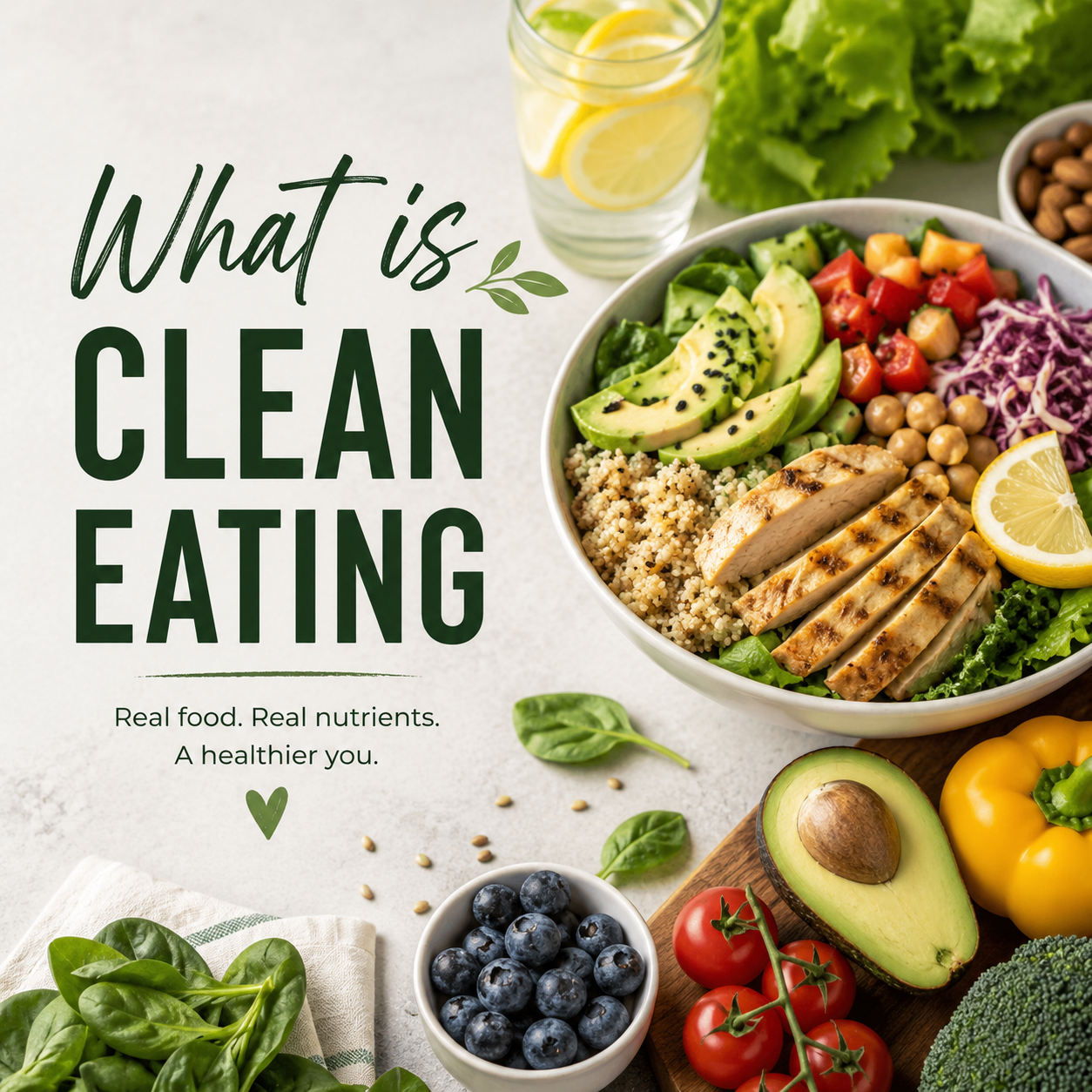
What is Clean Eating

Clean eating is not a diet. It has no rules about carbohydrates, no banned food groups, and no requirement to eat anything that does not grow in India. At its simplest, clean eating means choosing food that is as close to its natural state as possible — minimally processed, without unnecessary additives, and grown or made in ways that do not leave a chemical residue on your plate. By that definition, a bowl of dal and rice with ghee is clean eating. Most of what your grandmother cooked every day was clean eating. The concept is not new. The name is.

In This Article


What “Clean Eating” Actually Means (Without the Western Wellness Jargon)

The Western wellness world has made clean eating more complicated than it needs to be. You will find definitions that require organic certification, that ban entire food groups, that insist on raw food or specific macronutrient ratios. Ignore all of that for the Indian context.

A practical working definition for an Indian kitchen:

  • Clean food is food with a short, recognisable ingredient list — ideally ingredients you could buy separately and combine yourself
  • Clean food is food that has not been stripped of its natural nutrition through heavy processing (refining, bleaching, extracting)
  • Clean food is food grown or produced without excessive chemical inputs — pesticides, synthetic preservatives, artificial colours, flavour enhancers
  • Clean food is food that comes from a supply chain short enough that it does not need wax coatings, extended cold storage, or artificial ripening agents to reach you looking fresh

This is not a radical or difficult standard. It simply describes how most Indian households ate before the mass arrival of packaged convenience food. The shift required is not towards a new way of eating — it is a return to a more deliberate version of the old one.


Indian Foods That Are Already Clean

Before focusing on what to change, it helps to recognise what is already working. If you are eating any of the following regularly, you are already practising clean eating without calling it that.

Whole Pulses and Dals

Whole masoor, moong, toor, chana, rajma, and regional dals cooked from scratch at home are clean foods. One ingredient. High protein, high fibre, no processing. Gahat dal (horse gram) from Uttarakhand, with its 22–24g of protein per 100g and traditional Ayurvedic history, is one of the cleanest and most nutritionally dense pulses available — here is a complete guide to gahat dal if you have not cooked with it before.

Whole Grains Cooked from Scratch

Brown rice, whole wheat roti, bajra roti, jowar bhakri, and millets like ragi, foxtail, and jhangora (barnyard millet) are clean grains. Jhangora in particular — Uttarakhand’s ancient barnyard millet with the highest dietary fibre of any commonly eaten millet — is a clean grain that most Indian households have simply never encountered because it never made it to the supermarket shelf.

Fresh Sabzi Cooked with Whole Spices

A simple sabzi made with vegetables, mustard seeds, cumin, turmeric, and coriander powder is clean food. Whole spices, a small amount of cold-pressed oil or ghee, and a fresh vegetable. No additives, no preservatives, no hidden ingredients. This is how most Indian home cooking already works — and it is nutritionally sophisticated in ways that Western clean eating guides have only recently begun to articulate.

Curd Made at Home

Home-set curd from whole milk contains billions of live probiotic bacteria, no thickeners, no added sugar, no preservatives. Two ingredients: milk and a spoonful of previous curd as a starter. It is one of the most nutritionally complete fermented foods in any cuisine. The commercial “dahi” in foil containers from the supermarket fridge is a distant, thickener-laden cousin of the real thing.

Khichdi

Khichdi — rice and dal cooked together with minimal spices — is regularly cited by nutritionists as one of the most nutritionally balanced single-dish meals in existence. It is a complete protein (rice amino acids complement dal amino acids), easy to digest, warming, and made from two whole ingredients. India’s ancient food science got this right long before modern nutrition had the vocabulary to explain why.


The 5 Biggest Sources of Unclean Food in an Indian Diet

1. Packaged Snacks and Namkeen

Biscuits, chakli, bhujia, instant noodles, packaged chips, and ready-to-eat snacks form a significant portion of the unclean food in most Indian households. A typical biscuit ingredient list includes refined flour (maida), hydrogenated vegetable fat, high-fructose corn syrup or invert syrup, artificial flavouring, and multiple E-number emulsifiers. Each ingredient individually is considered safe at regulatory limits; consumed daily across years, the cumulative additives profile of a biscuit-heavy diet is meaningfully different from food made from whole ingredients.

2. Refined Grains — Maida and Polished White Rice

Maida (refined wheat flour) has had the bran and germ stripped away — removing most of the fibre, B-vitamins, iron, and the slow-release carbohydrate structure that makes whole wheat a clean food. What remains is a high-GI starchy white powder that raises blood sugar rapidly. Heavily polished white rice has a similar profile. Neither is a poison — but neither is clean food. Replacing maida with whole wheat atta and switching from heavily polished white rice to hand-pounded or semi-processed varieties is one of the highest-impact single changes you can make.

3. Refined Cooking Oils and Vanaspati

Refined vegetable oils — soybean, sunflower, palm, cotton seed — undergo extraction with chemical solvents, deodorisation at high temperatures, and bleaching before reaching your kitchen. The refining process removes natural antioxidants and creates minor quantities of oxidised fatty acids. Vanaspati (partially hydrogenated vegetable fat, still widely used in commercial cooking and pastry) contains trans fats at levels that are associated with cardiovascular risk. Cold-pressed oils (groundnut, sesame, mustard, coconut) and ghee from quality milk retain their natural fatty acid profiles and antioxidants without the refining treatment.

4. Pesticide Residues in Fresh Produce

This is the unclean food source that most people do not think of when they hear “clean eating” — because the food looks fresh and natural. FSSAI surveillance data consistently shows that a significant proportion of Indian market vegetables and fruits carry pesticide residues, with some exceeding Maximum Residue Limits. Okra (bhindi), brinjal, chilli, tomato, grapes, and leafy greens are the highest-risk categories. We have covered this in detail in our piece on India’s Dirty Dozen — the highest-residue fruits and vegetables. Cleaning up this part of your diet requires either sourcing differently or washing more effectively — and cold water rinsing is not enough.

5. “Healthy” Packaged Products With Hidden Ingredients

This category is the most deceptive. Products marketed as healthy — packaged fruit juices, flavoured yoghurt, commercial protein bars, granola, multigrain biscuits, fortified breakfast cereals — often have ingredient lists that include high levels of added sugar, maltodextrin (a fast-digesting refined starch), artificial flavouring, and synthetic vitamins to compensate for the natural nutrition destroyed during processing. A carton of packaged fruit juice has more sugar and less fibre than the whole fruit. A flavoured yoghurt has more added sugar than a small dessert. Reading the ingredient list — not the marketing claim on the front of the pack — is the only way to assess what you are actually buying.


Simple Swaps: From Processed to Clean Without Overhauling Your Kitchen

Instead of thisChoose thisWhat you gain
Maida-based biscuits / namkeenRoasted makhana, peanuts, handful of dried fruit and nutsNo additives; natural fats, protein, fibre
Refined sunflower or soybean oilCold-pressed groundnut, mustard, or sesame oil; gheeNatural antioxidants, unaltered fatty acid profile
Polished white rice dailyHand-pounded rice 3–4 days/week + millet 1–2 days/weekHigher fibre, slower blood sugar release, more micronutrients
Packaged dal powder or instant dalWhole dal soaked and cooked from scratchFull nutrition intact; no preservatives or added starch
Commercial fruit juice in a cartonWhole fruit, or fresh-squeezed juice with no added sugarFibre retained; no sugar spike; no preservatives
Flavoured commercial yoghurtHome-set curd with fresh fruit or a drop of honeyLive probiotics; no thickeners; no added sugar
Store-bought supermarket apple (waxed)Local orchard variety in season; or wash properly with baking sodaNo wax coating; no post-harvest fungicide treatment
Instant breakfast cerealWhole grain porridge: daliya, ragi kanji, jhangora, or oatsNo added sugar; natural fibre and micronutrients

None of these swaps require a dramatically different cooking approach. They require a slightly different shopping list and the habit of reading ingredient labels. Most of them also cost less than the processed versions they replace.


How to Read an Indian Food Label for Clean Eating

FSSAI-regulated food labels in India contain a surprising amount of useful information once you know what to look for. Here is a practical filter for clean eating decisions at the supermarket:

Step 1 — Count the Ingredients

A clean food typically has 5 or fewer ingredients. A packaged biscuit might have 20. This is not an absolute rule — a good quality pickle might have 10 ingredients that are all whole and recognisable — but ingredient count is a useful quick filter. If the list requires two lines of small print, investigate further.

Step 2 — Identify Any Hidden Sugar

Added sugar on Indian food labels appears under many names: sucrose, invert syrup, glucose syrup, high-fructose corn syrup, maltose, dextrose, maltodextrin. If any of these appear in the first five ingredients, the product has a significant sugar load regardless of what the front-of-pack claim says. “No added sugar” on a product that contains invert syrup means exactly nothing.

Step 3 — Check for Refined Flour and Starch Bases

“Refined wheat flour” (maida) as the first ingredient means the product is built on a high-GI refined starch base regardless of any nutritional claims on the label. “Modified starch”, “corn starch”, and “maltodextrin” serve the same function — they are cheap, fast-digesting carbohydrates that extend shelf life and add texture without nutritional value.

Step 4 — Look for E-Numbers You Cannot Identify

Not all E-numbers are problematic — E300 is vitamin C; E330 is citric acid. But a label with multiple E-numbers you cannot identify or pronounce is a signal that the product requires significant chemistry to hold together, stay stable, or taste the way it does. Clean food does not need this. If you are buying something with E621 (monosodium glutamate), E110 (sunset yellow dye), or E102 (tartrazine), those are ingredients worth being aware of regardless of their regulatory status.


Why Traditional Himalayan Ingredients Are Some of India’s Cleanest Foods

There is a category of Indian ingredients that does not appear in supermarkets, does not require processing, does not need certification, and has been clean by default for thousands of years: traditional Himalayan mountain foods.

The grains, pulses, and spices grown on the terraced hillside farms of Uttarakhand are clean foods by structural necessity. Steep mountain terrain, rain-fed irrigation, and traditional farming knowledge have produced agricultural systems where synthetic chemical inputs were never the norm. The result is food with a different nutritional profile — denser, more mineral-rich, more slowly grown — and a different residue profile: close to none.

As we explain in detail in our piece on how altitude affects nutrition, the mountain growing conditions produce demonstrably different food at a biochemical level — higher in antioxidants, more mineral-dense, lower in the inflammatory compounds that accumulate in intensively farmed crops.

A few of the most nutritionally significant:

  • Gahat Dal (Horse Gram) — 22–24g protein per 100g; used in Ayurveda for kidney stones and blood sugar; grown in Uttarakhand without synthetic inputs for over 2,000 years
  • Jhangora (Barnyard Millet) — highest dietary fibre of any commonly eaten millet; low glycaemic index; gluten-free; fasting-approved; a natural rice substitute with a better nutritional profile
  • Bhatt (Black Soybean) — approximately 40g of plant protein per 100g; one of the highest plant protein sources available in India; nearly unknown outside the Himalayan hills
  • Mandua (Finger Millet) — 344mg of calcium per 100g, the most calcium-dense grain in the Indian diet; a direct, natural alternative to dairy for calcium supplementation
  • Pahadi Haldi — mountain-grown turmeric with higher curcumin content than plains-grown commercial varieties; no processing, no adulterants

These are not specialty foods for people with unusual dietary needs. They are the everyday staples of Himalayan farming communities — foods that have nourished mountain villages for centuries. Their absence from modern urban Indian diets is a supply chain gap, not a cultural one.


Frequently Asked Questions

Is Indian food clean eating?

Traditional Indian home cooking is already clean eating by any reasonable definition. Dal, sabzi, roti, khichdi, curd, whole spices, ghee — these are whole, minimally processed ingredients with no additives. The problem is not Indian food. The problem is the modern Indian diet, which has incorporated significant packaged convenience food, refined flour products, and commercially processed snacks that sit well outside the tradition. Returning to home-cooked Indian food made from whole ingredients is one of the most effective clean eating approaches available.

What to avoid in clean eating for an Indian diet?

The five highest-impact things to reduce: refined wheat flour (maida) products; packaged snacks and biscuits with long ingredient lists; refined vegetable oils and vanaspati; packaged fruit juice and flavoured dairy products; and fresh produce from the high-residue categories — bhindi, brinjal, chilli, tomato, grapes (see our guide to India’s highest-pesticide produce). None of these require eating differently — they require buying differently.

Is ghee allowed in clean eating?

Yes — good quality ghee is a clean food. Made from a single ingredient (butter, clarified by slow heating), ghee contains no additives, no preservatives, and a stable fatty acid profile that does not degrade at Indian cooking temperatures the way refined polyunsaturated oils do. The concern about ghee in Indian diets is about quantity, not quality. Moderate use of real ghee in traditional cooking is nutritionally sound. The problem was never the ghee — it was the refined vegetable oils and vanaspati that displaced it.

Do I need to buy organic to eat clean in India?

Not necessarily. A more practical approach: use the Dirty Dozen list to identify the specific produce where organic or sourcing differently makes the most difference, and buy the Clean Fifteen conventionally. For staple grains and pulses, traditionally farmed mountain varieties from short supply chains offer a practical alternative to supermarket organic certification at a much lower cost.

Is clean eating expensive in India?

Clean eating from whole ingredients is almost always cheaper than the packaged convenience food it replaces. A kilogram of whole masoor dal cooked from scratch costs a fraction of the packaged “protein supplement” or flavoured dal mix that supermarkets sell. A bottle of cold-pressed groundnut oil costs more per litre than refined soybean oil, but most households use far less because its flavour is richer. The misconception that clean eating is expensive comes from conflating it with premium organic certification and Western superfoods — neither of which is necessary for an Indian kitchen.

Posted on Leave a comment

How Altitude Affects Nutrition: The Science Behind Why Himalayan Food Is More Nutritious

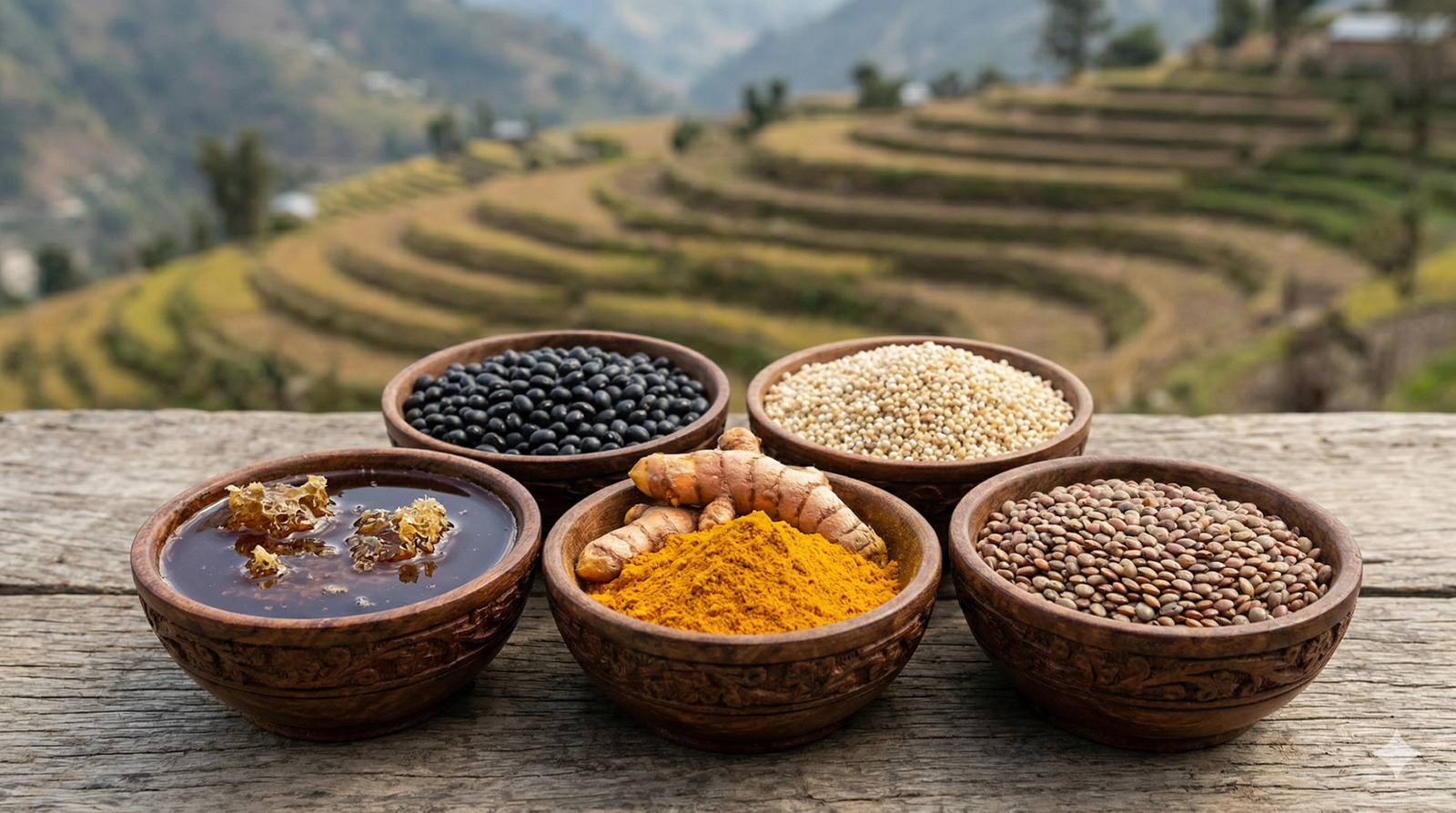
how altitude affects nutrition — terraced farming fields in the Himalayan mountains

Ask any Pahadi farmer why mountain food tastes different from what you buy in the city, and they will not give you a scientific answer. They will just shrug and say: “Yahan ki mitti alag hai.” The soil here is different. They are not wrong — but the full story goes well beyond soil. How altitude affects nutrition is now one of the more studied areas in food and agricultural science, and the findings consistently support what mountain communities have always known instinctively: crops grown higher up are chemically richer, more complex, and more nutritious than the same crops grown at sea level.

This matters for Fyonli because every ingredient we source — bhatt black soybean, mandua finger millet, jhangora barnyard millet, bhangjeera perilla seeds, raw mountain honey — comes from farms between 1,000 and 2,400 metres above sea level in Tehri Garhwal and the surrounding hill districts. The altitude is not incidental. It is the mechanism. This article explains the five ways how altitude affects nutrition in the crops that grow there, what the research actually shows, and why provenance is not just a marketing word — it is a nutritional fact.

In This Article


The Science: What Changes at High Altitude

To understand how altitude affects nutrition, you first need to understand what changes in the environment as you climb. The answer is: almost everything that matters to a plant.

  • UV-B radiation increases by approximately 4–10% for every 1,000 metres of altitude gained
  • Temperature drops by roughly 6°C per 1,000 metres on average — but the swing between day and night temperatures widens dramatically
  • Growing seasons shorten — crops take longer to mature and do so under more intense environmental stress
  • Atmospheric pressure falls — reducing available carbon dioxide and increasing the plant’s metabolic workload
  • Soil composition changes — mountain soils shaped by glacial erosion carry a different mineral profile than alluvial plains soils
  • Pest pressure drops sharply — cold temperatures suppress insect populations and fungal pathogens

Each of these factors influences what a plant produces inside its cells — not just its size or yield, but its actual biochemical composition. How altitude affects nutrition operates through each of these five pathways simultaneously. The result is not a small marginal difference. In some cases — anthocyanin content, mineral density, protein concentration — the difference between altitude-grown and plains-grown versions of the same crop is 30–100%.


UV Radiation: More Stress, More Antioxidants

This is the most directly documented mechanism through which how altitude affects nutrition becomes a measurable advantage. Plants cannot move away from intense UV light. Instead, they produce UV-absorbing compounds in their leaves, skin and seeds — essentially a biological sunscreen. These compounds include flavonoids, anthocyanins, polyphenols and carotenoids: the exact same molecules that human nutrition research consistently links to anti-inflammatory, antioxidant and anti-cancer activity.

The higher the altitude, the more UV-B the plant is exposed to. The more UV-B, the more of these protective compounds the plant produces. This is not a conjecture — it is a well-replicated finding across dozens of crop types. A search of published studies on altitude and polyphenol content returns consistent findings: mountain-grown samples of the same species outperform lowland-grown samples on antioxidant activity across the board.

The clearest commercial example of how altitude affects nutrition through UV exposure is tea. Darjeeling tea — grown at 600–2,000 metres in the Himalayan foothills — is consistently higher in catechins and polyphenols than Assam tea grown near sea level. The same plant, the same species, grown in the same country — but the flavour, the antioxidant profile and the biochemical complexity are measurably different. Altitude is the single variable that best explains the difference.

The same principle applies to every crop grown at altitude in Uttarakhand. The black skin of bhatt black soybean — rich in anthocyanins — is a direct response to UV stress. The dark colour of Himalayan mandua (finger millet) compared to plains-grown ragi reflects the same mechanism. Plants under UV stress are, nutritionally speaking, trying to protect themselves. And in doing so, they produce exactly the compounds that protect us.


Slow Growth and Nutrient Concentration

How altitude affects nutrition through growth rate is less dramatic to look at but equally significant. At 2,000 metres, average growing temperatures are 10–12°C lower than at sea level. Photosynthesis and cell division slow down. A crop that takes 90 days to mature on the plains takes 120–130 days in the hills. This extended growth period changes the internal chemistry of the seed or grain in a specific and important way: nutrients accumulate over a longer period, producing a denser final product.

Think of it as slow cooking versus fast cooking. A dal simmered for three hours has deeper flavour than one pressure-cooked in fifteen minutes — the longer process allows more complex reactions to complete. Mountain crops undergo something analogous at the cellular level. Mineral uptake from the soil continues over a longer period. Secondary metabolite synthesis — the plant’s production of protective compounds — has more time to run. The result is a grain, seed or pulse that contains more per gram than its faster-grown lowland equivalent.

This is why jhangora barnyard millet grown in Devprayag has a noticeably different nutritional profile and flavour depth compared to commercially grown sanwa millet from the plains — even though they are the same botanical species. The grain grown slowly in cold mountain conditions simply has more time to become what it is meant to be.


Glacial Soil — Minerals at the Source

A significant part of how altitude affects nutrition operates through the soil itself. Mountain soils in the Garhwal and Kumaon Himalayas are formed from the physical weathering of ancient rock — a process accelerated by glaciers, freeze-thaw cycles and the mechanical action of glacier-fed rivers. This glacial weathering produces very fine rock particles with high surface area, releasing minerals that have been locked inside bedrock for millions of years.

The result is a soil composition measurably higher in minerals like calcium, magnesium, zinc, iron and phosphorus than the alluvial plains soils that most of India’s commercial agriculture depends on. When crops are grown in mineral-rich mountain soil without chemical inputs that disrupt microbial activity, those minerals move up through the food chain — into the plant, into the seed, and eventually into you.

This is a direct explanation for why Uttarakhand mandua (finger millet) has a calcium content of 344mg per 100g — roughly three times the calcium in whole milk. Mandua grown in the same latitude at lower altitude does not consistently achieve this mineral density. The mountain soil is doing real nutritional work that flatland soil simply cannot replicate.

The FAO Mountain Partnership has documented this mineral advantage in mountain food systems across the world — noting that mountain-sourced foods tend to be higher in micronutrients than their lowland equivalents, a finding that has significant implications for food security and nutritional policy in highland regions.


Diurnal Temperature Range — Cold Nights, Warm Days

Another mechanism through which how altitude affects nutrition plays out is the diurnal temperature range — the difference between the highest and lowest temperature within a single 24-hour period. At sea level in India’s agricultural belt, this swing might be 8–12°C. At 2,000 metres in Uttarakhand, it is typically 18–25°C — sometimes more.

This matters because of how plants manage sugars. During warm days, photosynthesis runs at full speed, producing glucose and complex carbohydrates. During cold nights, the plant’s respiration — the process of consuming those sugars for energy — slows dramatically. The net result is that more sugars and complex metabolites accumulate in the plant tissue over time. This explains several well-known quality differences in mountain produce:

  • Mountain honey is sweeter and more aromatic than plains honey — partly because mountain flowers themselves are richer in nectar compounds produced in response to temperature stress
  • Himalayan apples (Himachal Pradesh, Kashmir) are crunchier, denser and higher in sugar than lowland apples — wide diurnal swings are the primary reason
  • High-altitude grains tend to have harder, denser seed coats — which means more fibre, more protective outer layer, and more concentrated nutrition per gram
  • Mountain spices — Himalayan turmeric, for example — consistently test higher in active compounds (curcumin) than plains-grown equivalents, with some varieties from Meghalaya and Uttarakhand reaching 5–7% curcumin versus the commercial average of 2–3%

Wide diurnal temperature range is also a key factor in why wine grapes grown at altitude produce more complex, higher-quality wine — a connection the global wine industry has understood for decades. How altitude affects nutrition through temperature swings is not unique to the Himalayas. It is a consistent pattern across mountain food systems worldwide.


Fewer Pests, Cleaner Chemistry

Cold mountain temperatures suppress insect pest populations dramatically. At 1,500–2,400 metres, the range of pests, fungi and pathogens that devastate lowland crops simply cannot survive consistently. This has two important consequences for how altitude affects nutrition in the food chain.

First, it means mountain farmers can — and traditionally do — grow their crops without pesticides. Not because they are following an organic certification programme, but because pests are not there in the same numbers. This is a structural feature of mountain agriculture, not a practice choice. The result is food that carries no synthetic pesticide residues — a benefit that no amount of washing or processing can replicate in a plains-grown crop that has been repeatedly sprayed.

Second, reduced pest pressure means the plant produces its own protective chemistry differently. When a plant is under constant attack from insects, it produces large amounts of certain anti-nutritional compounds as a defence mechanism. Mountain crops face less of this pressure. Their chemistry is cleaner, less defensive, and often more bioavailable — the nutrients are less locked up behind defensive plant structures.

Research by India’s own CSIR Institute of Himalayan Bioresource Technology has documented this in Himalayan medicinal plants — finding that altitude-grown samples consistently show higher concentrations of beneficial compounds and lower concentrations of anti-nutritional factors compared to lowland-cultivated equivalents.


The Himalayan Evidence: Five Crops and What the Data Shows

The clearest way to see how altitude affects nutrition is to look at specific crops grown in Uttarakhand’s hill districts and compare them with their commercial lowland equivalents. Here are five examples from Fyonli’s own ingredient range where the altitude advantage is backed by data:

1. Mandua (Finger Millet) — 344mg Calcium per 100g

Mandua grown in Uttarakhand’s hill districts at 1,000–2,500 metres consistently measures 344mg of calcium per 100g — approximately three times the calcium in whole milk and significantly higher than commercial ragi grown at lower altitudes in Karnataka or Andhra Pradesh. The mountain soil and slow growth cycle are the primary explanatory factors. This is the same grain, grown on the same continent, but at altitude it delivers a nutritional profile that flatland cultivation simply does not match.

2. Bhatt Black Soybean — Anthocyanins and ~40g Protein

Bhatt, Uttarakhand’s traditional black soybean, contains approximately 40g of protein per 100g — significantly higher than commercial yellow soybean (~36g). More importantly, its black skin is rich in anthocyanins: compounds entirely absent from yellow soybean. This anthocyanin production is a direct response to high UV exposure at altitude. The same UV stress mechanism that makes bhatt’s skin dark also makes it nutritionally superior to the commercial variety grown on the plains.

3. Bhangjeera (Perilla Seeds) — Omega-3 in the Wild

Bhangjeera (wild perilla seeds) grow naturally on the hillsides of Garhwal and Kumaon at altitudes between 1,200 and 2,200 metres. Wild mountain-growing perilla consistently tests higher in alpha-linolenic acid (ALA omega-3) than cultivated lowland perilla — a finding consistent with the general principle that stress-grown plants produce more protective lipid compounds. The wild-growing Himalayan variety delivers a higher omega-3 density per gram than commercially cultivated versions.

4. Raw Mountain Honey — Enzyme Richness and Polyphenol Diversity

Mountain honey from Garhwal draws nectar from dozens of wild mountain flowers, many of which produce nectar unusually rich in polyphenols and aromatic compounds — precisely because those flowers are themselves growing under UV stress at altitude. The diversity of altitude-adapted flowering plants available to mountain bees creates a honey with a far more complex polyphenol profile than monofloral or plains honey. How altitude affects nutrition is not limited to field crops — it runs through the entire mountain food ecosystem.

5. Gahat Dal (Horse Gram) — Protein and Phytochemical Density

Gahat (Himalayan horse gram) grown in Uttarakhand’s hill districts delivers approximately 22–24g of protein per 100g along with a range of phytochemicals — including flavonoids and tannins — at concentrations higher than plains-grown horse gram. Traditional Ayurvedic use of horse gram for kidney stone prevention and urinary health may reflect these elevated phytochemical concentrations, which are directly connected to the mountain growing environment.


A Balanced View: When Altitude Helps and When It Does Not

It is worth being honest about what the science does and does not say about how altitude affects nutrition, because the picture is not uniformly positive for every crop and every situation.

Where altitude clearly helps: Polyphenol and antioxidant content (via UV response), mineral density (via glacial soil and slower growth), essential oil and aromatic compound concentration (via temperature stress), protein density (via slower nitrogen metabolism), and pesticide-free production (via natural pest suppression).

Where the picture is more nuanced: At very high altitudes, thin soils and short growing seasons can reduce yield and even reduce certain macronutrient levels if growing conditions are extreme. Altitude alone is not sufficient — soil health, farming practice and crop variety also matter. A mountain farm that has been degraded by overuse or chemical inputs will not automatically produce nutritionally superior food just because it sits at 2,000 metres.

The key variable is therefore not altitude alone, but altitude in combination with traditional low-input farming on healthy mountain soil. This is why sourcing matters — and why understanding how altitude affects nutrition only tells half the story. The other half is how the land has been treated over time. Small-holder mountain farmers who have worked the same terraces for generations, with minimal external inputs, represent the best combination of these factors.


What This Means When You Choose Food

Understanding how altitude affects nutrition changes the framework for how to think about food provenance — not just for Himalayan products, but for food sourcing in general. Origin is not a premium marketing story layered on top of nutritional facts. In many cases, origin is the nutritional fact.

When you choose between supermarket ragi and Uttarakhand mandua, you are not choosing between two versions of the same product at different prices. You may be choosing between a product with 200mg of calcium per 100g and one with 344mg. When you choose between commercial yellow soybean and pahadi bhatt, you are choosing between a crop with no anthocyanins and one with a measurable black-skin antioxidant load. These differences are not claims — they are verifiable through standard laboratory analysis.

None of this means that lowland-grown food is valueless — it clearly is not. But it does mean that when a brand makes specific nutritional claims based on where their food comes from, that claim has a scientific basis. How altitude affects nutrition is not a vague wellness idea. It is a set of documented biochemical mechanisms that operate consistently and measurably in mountain food systems around the world.

If this is the food philosophy you want to shop by, Fyonli’s full range of mountain-sourced ingredients is available online — sourced directly from small-holder farmers in Tehri Garhwal and the surrounding Himalayan hill districts.

The same mineral-rich mountain sourcing applies to what we put in the salt shaker, too — see how Himalayan nettle salt compares to regular refined table salt for a closer look at what altitude and wild foraging change in a seasoning, not just a crop.


Frequently Asked Questions

Does altitude actually affect the nutritional content of food?

Yes — and the effect is measurable, not just theoretical. How altitude affects nutrition operates through five primary mechanisms: increased UV radiation driving antioxidant production, slower growth concentrating nutrients, glacial mineral soil enriching mineral content, wide diurnal temperature swings building flavour and chemical complexity, and reduced pest pressure keeping the plant’s chemistry clean. These are well-documented in plant science and food research literature, and the effects show up in laboratory analysis of altitude-grown versus lowland-grown versions of the same crops.

Why do mountain crops have more antioxidants?

Because UV-B radiation increases by approximately 4–10% per 1,000 metres of altitude, and plants respond to UV stress by producing UV-absorbing compounds — anthocyanins, flavonoids, polyphenols. These are precisely the compounds that function as antioxidants in the human body. Mountain plants produce more of them because they need more protection from intense high-altitude UV. When you eat those plants, you get that antioxidant protection too.

Is Himalayan food really more nutritious, or is that just marketing?

The science supports the claim for specific nutrients in specific crops — particularly antioxidant compounds (anthocyanins, polyphenols, flavonoids), mineral content (calcium, iron, magnesium, zinc), and essential oil / aromatic compound concentration. The mechanisms behind how altitude affects nutrition are real and documented. That said, altitude alone is not a guarantee — soil health, farming practice and crop variety also matter. Mountain food from well-maintained, low-input traditional farms is where the combination of these factors is most likely to deliver measurable nutritional advantage.

Which Himalayan foods benefit most from altitude?

Foods with coloured skins or pigments benefit most directly from the UV-antioxidant mechanism — dark grains, black-skinned pulses (bhatt), coloured spices and wild-growing seeds. Foods with high mineral content (mandua finger millet, gahat horse gram) benefit from the glacial soil effect. Aromatic foods — mountain honey, Himalayan herbs, altitude-grown spices — benefit from both the UV stress response and the diurnal temperature effect. In general, any traditionally grown crop from Uttarakhand’s hill districts at 1,000–2,400 metres benefits from some combination of these altitude mechanisms.

Can the same crops be grown at sea level with the same nutrition?

Not easily, no. You can grow the same botanical species at sea level, but you cannot replicate the UV exposure, temperature swing, mineral soil composition and slow cold-season growth that altitude provides. These are environmental conditions, not techniques. Some of the differences — antioxidant content, mineral density — are directly tied to environmental stressors that only occur naturally at altitude. How altitude affects nutrition is not something that can be reproduced by adding minerals to plains soil or growing under UV lamps. The mountain environment is the origin of the nutritional advantage, and it cannot be separated from the food without losing what makes it different.

Posted on Leave a comment

10 Remarkable Himalayan Superfoods You Can Buy Online in India Right Now

himalayan superfoods buy online India

Himalayan superfoods have been feeding mountain communities for thousands of years. While India spent the last decade importing quinoa, chia seeds, and kale from abroad, the Uttarakhand and Kashmir Himalayan belt has been quietly producing foods that outperform most imported superfoods on every nutritional measure.

The difference is that nobody marketed them. That is now changing — and you can buy all of these genuine Himalayan superfoods online in India today, delivered directly from mountain farming communities to your door.
According to the National Institute of Nutrition, traditional Indian foods grown at altitude consistently show higher micronutrient density than commercially cultivated equivalents — a finding that validates what Himalayan communities have always known empirically.

Here are the ten most remarkable ones, what makes each exceptional, and exactly where to find them.

In This Article


1. Bhangjeera — Wild Himalayan Perilla Seeds

Himalayan superfoods don’t get more overlooked than bhangjeera. Wild-harvested perilla seeds from the slopes of Devprayag in Garhwal, bhangjeera is the same seed celebrated in Korean and Japanese cooking as egoma — except it has grown wild in Uttarakhand and fed Pahadi communities for centuries before anyone called it a superfood.

Why it is exceptional: Bhangjeera contains one of the highest concentrations of alpha-linolenic acid (ALA) omega-3 of any plant food — higher than flaxseeds. For vegetarians who cannot get omega-3 from fish, bhangjeera is one of the most potent and culturally rooted alternatives available in India. It also contains rosmarinic acid — a powerful natural anti-inflammatory compound.

How to use it: Dry roast and grind with green chilli and garlic for bhangjeera chutney — the signature Pahadi condiment. Add whole seeds to hot ghee as a tempering for any dal. Mix into yoghurt with salt for a simple raita.

Who should eat it: Anyone increasing plant-based omega-3 intake, anyone curious about traditional Pahadi cooking, anyone looking for a genuinely different and delicious chutney base.

Shop Devprayag Bhangjeera →


2. Gahat Dal — Horse Gram for Kidney Stones

Of all the Himalayan superfoods on this list, gahat dal horse gram has the most impressive traditional medicinal reputation — and the most modern scientific validation to back it up.

Why it is exceptional: Gahat dal — known in English as horse gram — contains compounds that inhibit the formation of calcium oxalate kidney stones and has diuretic properties that help flush existing stones. It also contains approximately 22–24g of protein per 100g, among the highest of any pulse in India, with a low glycaemic index that makes it valuable for diabetics. Traditional Uttarakhand communities have eaten it for centuries — both as daily nutrition and as a specific remedy for urinary health.

How to use it: Soak overnight, pressure cook for 5–6 whistles, temper generously with ghee and garlic. Drink the soaking water on an empty stomach in the morning for kidney health support — this costs nothing extra since you are soaking the dal anyway.

Who should eat it: Anyone managing kidney stones or at risk, diabetics, vegetarians needing high-protein pulses, anyone wanting deeply flavourful winter dal.

Shop Tehri Garhwal Gahat Dal →


3. Pahadi Haldi — High Curcumin Himalayan Turmeric

Most Indian kitchens use commercial turmeric containing 1–2% curcumin — the active anti-inflammatory compound. Pahadi haldi from Uttarakhand — grown slowly at altitude for up to 3 years rather than the standard 6 months — consistently tests between 4–7% curcumin. The difference in both flavour and therapeutic effect is real and measurable.

Why it is exceptional: Curcumin is one of the most studied natural anti-inflammatory compounds in science — linked to joint health, cardiovascular support, cognitive protection, and immune function. The commercial turmeric in most Indian kitchens delivers too little of it to be meaningful. Pahadi haldi delivers enough to matter — with an aroma and flavour that is richer, warmer, and more complex than any supermarket alternative.

How to use it: Always cook briefly in ghee or oil before adding water — this activates the curcumin. Always add a pinch of black pepper — piperine increases curcumin absorption by up to 2,000%. These two steps turn good turmeric into genuinely effective turmeric.

Who should eat it: Everyone who uses turmeric daily and actually wants the health benefits they are expecting from it.

Shop Pahadi Haldi →


4. Jhangora — Barnyard Millet Better Than Rice

Jhangora is Uttarakhand’s name for barnyard millet — a small white grain grown on terraced Himalayan hillsides in Devprayag and surrounding Garhwal valleys for thousands of years. It has fed mountain communities through winters and fasts without ever being marketed to the rest of India. That is changing as the millet movement gains momentum.

Why it is exceptional: Jhangora barnyard millet has a glycaemic index of approximately 50 versus white rice at 72 — significantly lower blood sugar impact. It contains nearly 4 times more dietary fibre than white rice, more iron, more protein, and is naturally gluten-free. Uttarakhand Jhangora has even been applied for Geographical Indication status — a recognition that this specific Himalayan variety is genuinely distinct from barnyard millet grown elsewhere.

How to use it: Cook exactly like rice — 1 cup grain, 2 cups water, 15 minutes. Serve with any dal. Also makes exceptional Jhangore ki Kheer — the beloved Pahadi dessert cooked slowly in full-fat milk with cardamom and dry fruits.

Who should eat it: Diabetics, anyone managing weight, anyone wanting to reduce rice consumption without sacrificing satisfaction, anyone interested in ancient grains.

Shop Devprayag Jhangora →


5. Raw Wild Mountain Honey — Nothing Like Supermarket Honey

Raw wild mountain honey from the Garhwal Himalayan belt is produced by bees foraging freely across alpine terrain at 1,500–2,000 metres elevation. It has never been heated, pasteurised, or processed. It is fundamentally different from every jar on a supermarket shelf — not a premium version of the same thing but a genuinely different product.

Why it is exceptional: Raw mountain honey retains all its live enzymes, natural pollen, propolis traces, and antioxidants — all destroyed by the pasteurisation process that commercial honey undergoes. The flavour is layered and complex — slightly floral, earthy, with mineral depth from the diversity of alpine nectar sources. Wild honey at altitude adds further complexity from flora that simply does not exist below 1,000 metres.

How to use it: A spoonful in warm water with lemon first thing in the morning. Drizzled over yoghurt or fresh fruit. Stirred into cooled chai. Never add to boiling water — above 40°C destroys the live enzymes that make raw honey valuable.

Who should eat it: Everyone — but particularly anyone who has been consuming commercial honey expecting health benefits and wondering why they are not noticing any.

Shop Pahalgam Raw Mountain Honey → Shop Wild Forest Mountain Honey →


6. Himalayan Black Soyabean Bhatt — Antioxidant Powerhouse

Bhatt is a rare black soyabean variety grown at altitude across Uttarakhand — smaller and darker than commercial soyabean, with a dense earthy flavour and a nutritional profile that makes most imported Himalayan superfoods look ordinary by comparison.

Why it is exceptional: Bhatt is extraordinarily rich in anthocyanins — the same dark pigment antioxidants found in blueberries and acai berries that health enthusiasts pay premium prices to import from abroad. It is also high in protein, iron, and isoflavones. It grows naturally in Himalayan villages and has been eaten for generations without ever being marketed as a superfood — which makes it one of the most genuinely undervalued foods on this list.

How to use it: Cook like any bean — soak overnight, pressure cook until soft, temper with cumin and garlic. The flavour is deeper and more complex than white soyabean. Works exceptionally well in simple dal preparations or mixed into rice dishes.

Who should eat it: Anyone interested in antioxidant-rich foods, anyone wanting the Indian equivalent of expensive imported superberries — grown in their own country, supporting Indian farmers.

Shop Himalayan Black Soyabean Bhatt →


7. Chakrata Rajma — Single-Origin Mountain Kidney Beans

Rajma is one of India’s most loved dishes — but most people have never tasted rajma grown at altitude in mineral-rich Himalayan soil, hand-picked at the right stage of ripeness, and traceable to a specific valley. Chakrata rajma from the Chakrata hills of Uttarakhand is that product.

Why it is exceptional: Altitude-grown rajma develops a deeper, earthier flavour and a creamy interior texture — holding its shape while melting when pressed — that plains-grown commercial rajma simply cannot replicate. The thin skin means it cooks faster too. Single-origin rajma from a named Himalayan region is to commercial supermarket rajma what estate coffee is to instant powder — genuinely the same category but a completely different experience.

How to use it: Soak for 4–6 hours, pressure cook for 3–4 whistles. Cook your masala separately and combine — the beans contribute enough flavour that the gravy needs far less work than with commercial rajma.

Who should eat it: Anyone who cooks rajma regularly and wants to understand what it can actually taste like.

Shop Chakrata Rajma → View All Himalayan Rajma →


8. Mandua Flour — Stone-Ground Himalayan Finger Millet

Mandua is the Garhwali name for finger millet — a grain grown on Himalayan terraces for generations and now gaining recognition as one of the most calcium-rich plant foods available anywhere in India. Stone-ground Mandua flour from Uttarakhand retains all its nutritional value in a way that factory-processed ragi flour cannot.

Why it is exceptional: Mandua contains more calcium than most dairy products — making it exceptionally valuable for vegetarians, lactose-intolerant individuals, and anyone concerned about bone health. It is naturally gluten-free, has a low glycaemic index, and is rich in iron and essential amino acids. Stone-grinding at low temperature preserves these nutrients and the grain’s natural aroma in a way that industrial milling simply does not.

How to use it: Mix with wheat flour for rotis — start with 30% Mandua, 70% wheat and adjust to taste. Use for porridge, pancakes, or dosas. The flavour is slightly nutty and earthy — distinctly different from plain wheat flour in a way most people find immediately appealing.

Who should eat it: Anyone looking to increase calcium intake naturally, anyone avoiding gluten, anyone wanting to bring traditional mountain grains into daily cooking.

Shop Mandua Flour →


9. Snow White Akhrot — Rare Grade Kashmiri Walnuts

Most walnuts sold in India are bitter — dark, astringent kernels that most people eat reluctantly rather than enthusiastically. Snow White Akhrot from Anantnag in Kashmir is the premium exception — pale cream kernels, zero bitterness, and a mild buttery flavour that is in an entirely different category.

Why it is exceptional: The Snow White grade is the rarest walnut kernel grade from Kashmir — selected for its pale colour, which indicates lower tannin content and consequently zero bitterness. Walnuts are among the most nutritionally dense nuts available — rich in omega-3, antioxidants, and compounds that support brain and cardiovascular health. The Snow White variety delivers all of this without the bitterness that makes most people eat walnuts reluctantly.

How to use it: Eat straight from the pack — the flavour needs no accompaniment. Add to oatmeal, salads, or yoghurt. Use in baking where walnut flavour is wanted without bitterness.

Who should eat it: Anyone who has been put off walnuts by bitterness — which is most Indians who have only ever tried commercially available walnuts.

Shop Anantnag Snow White Akhrot →


10. Wild Jakhya — Uttarakhand’s Secret Tempering Spice

Jakhya is a wild seed foraged from Himalayan forests in Uttarakhand — used as a tempering spice the way mustard seeds or cumin are used across the rest of India. Outside of Uttarakhand, almost nobody knows what it is. Inside it, nobody cooks dal without it.

Why it is exceptional: Jakhya has a unique crunchy, slightly bitter, intensely aromatic quality when fried in hot ghee that no other tempering spice replicates. It is not a substitute for mustard or cumin — it is its own thing entirely. The flavour it gives to a simple dal or sabzi is immediately recognisable as Pahadi food — an entire regional cuisine captured in one small wild seed.

How to use it: Add a teaspoon to hot ghee at the beginning of any dal preparation. The seeds crackle and darken — the moment they smell nutty and fragrant, proceed with the recipe. One use is enough to understand why this spice has anchored Pahadi cooking for generations.

Who should eat it: Anyone cooking Indian food who wants to explore regional spice traditions beyond the standard pantry.

Shop Wild Jakhya → Shop All Spices, Nuts & Seeds →


Why These Himalayan Superfoods Are Not in Most Indian Kitchens Yet

The honest answer is distribution and marketing — not quality. Every food on this list has been eaten in the mountains for generations, in some cases for thousands of years. The farming communities that grow them have always known their value.

What was missing was a supply chain that could bring these genuine Himalayan superfoods to urban India with their provenance and quality intact — without the blending, industrial processing, and traceability loss that comes with mass commercial distribution.

That is exactly what small-batch Himalayan food brands are building. The window to discover these foods before they go mainstream is now.

Shop the Full Fyonli Collection →


Explore individual ingredients:

Note: These are traditional foods with well-known nutritional benefits. This is not medical advice. Please consult a healthcare professional for specific health conditions.
  1. Is Himalayan food genuinely healthier or just marketing?

    The nutritional difference is real and measurable. Altitude, mineral-rich glacial soil, slower growing seasons, and the absence of chemical inputs all contribute to higher micronutrient density in Himalayan-grown foods. Research from institutions including the Centre for Aromatic Plants, Uttarakhand confirms that crops grown at altitude in traditional farming systems show consistently higher nutritional profiles than commercially cultivated equivalents.

  2. What is bhangjeera and where can I buy it online?

    Bhangjeera is the Garhwali name for wild perilla seeds — one of India’s richest plant-based omega-3 sources, grown naturally in the Devprayag region of Uttarakhand. It is used in traditional Pahadi cooking as a chutney base and tempering spice. You can buy authentic Devprayag bhangjeera online from Fyonli with pan-India delivery.

  3. Which Himalayan superfood is best for kidney stones?

    Gahat dal — known in English as horse gram or kulthi — is the traditional Himalayan remedy for kidney stones. It has diuretic properties that increase urine flow and contains compounds that inhibit the formation of calcium oxalate crystals. Drinking the water in which gahat has been soaked overnight is the traditional Uttarakhand practice for kidney stone support.

  4. Which Himalayan superfood is best for diabetes?

    Jhangora (barnyard millet) and gahat dal (horse gram) are the most beneficial Himalayan superfoods for diabetics. Both have a low glycaemic index, meaning they release energy slowly without causing blood sugar spikes. Pahadi haldi with black pepper also supports blood sugar regulation through its high curcumin content.

  5. Are Himalayan superfoods available for delivery across India?

    Yes — all Fyonli Himalayan superfoods are delivered pan-India with free shipping on orders above ₹499. Products are sourced directly from Uttarakhand and Kashmir farming communities and packed in small batches for freshness.

  6. What makes Himalayan superfoods different from regular foods?

    Himalayan superfoods are grown at altitude — typically between 1,500 and 2,500 metres — in mineral-rich glacial soil without chemical inputs. The slower growing seasons, colder temperatures, and clean environment concentrate nutrients and flavour in ways that plains-grown

Posted on Leave a comment

Pahadi Haldi vs Lakadong Turmeric: 3 Remarkable Differences That Actually Matter in Your Kitchen

pahadi haldi vs lakadong turmeric

Pahadi haldi vs Lakadong turmeric — if you have been researching premium turmeric in India, you have encountered both. Lakadong from Meghalaya dominates the high-curcumin turmeric conversation right now. Pahadi haldi from Uttarakhand has been used in mountain kitchens and Ayurvedic practice for centuries without the marketing.

Both are genuinely superior to supermarket turmeric. But they are different products — in flavour, curcumin content, cooking use, and origin. This is an honest comparison to help you decide which belongs in your kitchen.

In This Article


Why Curcumin Content Is What Actually Matters

Before comparing pahadi haldi vs Lakadong turmeric directly, it is worth understanding why curcumin is the number everyone quotes.

Curcumin is the primary active compound in turmeric — responsible for its deep golden colour, anti-inflammatory properties, antioxidant effects, and most of its documented health benefits. It is one of the most studied natural compounds in nutritional science, linked to reduced inflammation, improved joint health, cardiovascular support, and cognitive protection.

The problem is that commercial supermarket turmeric contains very little of it. Commercial turmeric powders — often blended from multiple sources and processed under heat — typically contain 1–2% curcumin. High-curcumin varieties from specific growing regions consistently test significantly higher. That is the entire reason pahadi haldi and Lakadong command a premium over standard turmeric.


What Is Pahadi Haldi?

Pahadi haldi is turmeric grown across the mid-Himalayan belt of Uttarakhand — in districts like Chamoli, Tehri Garhwal, Pauri, and Pithoragarh. It has been a kitchen and medicinal staple in Pahadi households for as long as anyone can trace.

What makes pahadi haldi different from commercial turmeric is the growing cycle. Regular commercial turmeric is harvested after 6 months in the ground. Pahadi haldi grows for up to 3 years — this extended growing period in mineral-rich Himalayan soil at altitude produces significantly higher curcumin content and a distinctly richer, more complex flavour profile.

It is hand-harvested, traditionally stone-ground, and has never been processed industrially. The flavour is warm, deeply aromatic, and slightly earthy — integrating more naturally into Indian cooking than any alternative.


What Is Lakadong Turmeric?

Lakadong turmeric comes from the Jaintia Hills region of Meghalaya in Northeast India. It has a curcumin content that consistently tests between 7–10% — genuinely one of the highest of any turmeric variety in the world. Its colour is a deep reddish-orange, its flavour is bold and intensely pungent, and it has become the premium turmeric of choice for Indian health food brands over the last three to four years.

Farmers in Meghalaya have cultivated it traditionally for generations, and the Government of Meghalaya has actively promoted it as a regional agricultural identity. It is now widely available from most serious natural food brands in India.


Pahadi Haldi vs Lakadong — 3 Differences That Matter

1. Pahadi Haldi vs Lakadong: Curcumin Content

Lakadong leads on raw curcumin numbers — testing between 7–10% consistently. Pahadi haldi from quality Himalayan sources tests between 4–7% — meaningfully higher than commercial turmeric, though typically below peak Lakadong figures.

If maximum curcumin concentration per gram is your only metric, Lakadong wins on paper. But curcumin alone does not tell the full story — bioavailability and cooking integration matter equally for how much benefit you actually receive.

2. Pahadi Haldi vs Lakadong: Flavour in Cooking

This is where pahadi haldi holds its own decisively. Lakadong’s intensity can be overpowering — many cooks find they need to use significantly less to avoid the turmeric dominating the dish. Pahadi haldi integrates more naturally into Indian cooking — its warmth and aroma complement rather than compete with other spices.

For everyday dal, curry, and sabzi, most traditional Indian cooks find pahadi haldi more versatile. Lakadong is better suited for preparations where turmeric is the featured ingredient — golden milk, turmeric shots, health supplements.

3. Pahadi Haldi vs Lakadong: Aroma and Character

Pahadi haldi has a richer, more complex fragrance — deeper and more resinous, with a warmth that fills the kitchen when added to hot oil. Lakadong is more sharply pungent. Both are excellent — which you prefer is genuinely a matter of personal preference and cooking style.


Which Turmeric Should You Choose?

The honest answer depends entirely on what you are using it for.

Choose Lakadong if:

  • You are taking turmeric primarily as a health supplement and want maximum curcumin per gram
  • You are making golden milk or turmeric shots where turmeric is the featured ingredient
  • You are comfortable adjusting quantities downward significantly

Choose Pahadi Haldi if:

  • You cook with turmeric daily in Indian food and want something that integrates naturally
  • You value aroma and flavour complexity alongside curcumin content
  • You want to support Himalayan farming communities specifically
  • You prefer the flavour tradition that is part of North Indian and Pahadi cooking heritage

The case for having both: Several serious home cooks keep both — Lakadong for golden milk and supplements, pahadi haldi for everyday cooking. The flavour profiles are different enough that they genuinely serve different purposes.


How to Get Maximum Benefit From Either

High curcumin content is only useful if your body can absorb it. Curcumin on its own has very low bioavailability. Two things dramatically improve absorption:

Black pepper — piperine, the active compound in black pepper, increases curcumin absorption by up to 2,000%. Add even a small pinch of freshly ground black pepper to any turmeric preparation. Traditional Indian cooking — which almost always combines these spices — has always been correct here.

Fat — curcumin is fat-soluble, meaning it absorbs far better when consumed with a fat source. Cooking pahadi haldi or Lakadong briefly in ghee or oil before adding water-based ingredients dramatically improves absorption. This is why tempering turmeric in ghee first — standard in most Indian cooking — is nutritionally correct as well as culinarily correct.


A Note on Turmeric Adulteration in India

Turmeric is one of the most commonly adulterated spices in India. Studies have found commercially sold turmeric powder frequently mixed with starch, sawdust, chalk powder, or artificial colouring — including lead chromate, which is toxic.

This makes provenance and traceability particularly important for turmeric. Buying from a seller who names the specific growing region and how the turmeric was processed is not just about getting better flavour — it is a genuine food safety issue.

Both pahadi haldi and Lakadong from reputable small-batch sources bypass this problem. The supply chains are short, the producers are named, and the volumes are small enough that adulteration is neither economically attractive nor logistically possible.

According to FSSAI’s spice quality standards, curcumin content is now a regulated quality parameter for turmeric — a recognition that the difference between high and low curcumin turmeric is significant enough to matter for consumer protection.


Where to Buy Authentic Pahadi Haldi Online

Our pahadi haldi is sourced from Uttarakhand hill farmers who grow it using traditional methods — slow-grown at altitude for up to 3 years, hand-harvested, and stone-ground without industrial processing. It is packed in small batches without blending with commercial turmeric, additives, or artificial colour.

It is the turmeric that Pahadi kitchens have used for generations — and the one that belongs in yours.

Shop Pahadi Haldi →


You might also like:

  1. What is the main difference between Pahadi Haldi and Lakadong turmeric?

    Pahadi Haldi is a broad category of small-batch, mountain-grown turmeric from the Himalayan belt — including Uttarakhand — known for its earthy flavour, deep orange-yellow colour, and high essential oil content. Lakadong turmeric is a specific variety from the Jaintia Hills of Meghalaya and is widely recognised for its exceptional curcumin content, often between 6–9%. While Pahadi Haldi wins on aroma and culinary versatility, Lakadong is the benchmark for raw curcumin concentration.

  2. Which turmeric has more curcumin — Pahadi Haldi or Lakadong?

    Lakadong turmeric generally leads on curcumin content, with levels often cited between 6–9% — well above the commercial average of 2–3%. High-quality Pahadi Haldi from Uttarakhand typically contains 3–5% curcumin, which is still significantly higher than supermarket turmeric. For purely therapeutic, supplement-style use, Lakadong holds the edge. For everyday kitchen cooking with strong flavour and aroma, Pahadi Haldi is equally compelling.

  3. Can I use Pahadi Haldi and Lakadong turmeric interchangeably in cooking?

    Yes, but with an adjustment. Lakadong’s higher curcumin density means it can colour and lend bitterness more aggressively — use slightly less than you would with regular turmeric. Pahadi Haldi integrates more gently into dals, curries, and golden milk, delivering rich aroma without overpowering a dish. Both work beautifully in Indian cooking; the choice depends on whether you’re optimising for flavour depth or maximum curcumin intake.

  4. Is Pahadi Haldi better than regular turmeric from the market?

    Yes, in most meaningful ways. Regular commercial turmeric is often grown at scale in the plains, harvested early, and can lose volatile oils during prolonged storage or adulteration. Pahadi Haldi, sourced small-batch from Himalayan farms, retains higher essential oil content, stronger colour pigmentation, and a more complex earthy-woody aroma. It is also typically free of synthetic colourants and fillers — a real concern with mass-market haldi.

  5. Where does Fyonli’s Pahadi Haldi come from?

    Fyonli sources its Pahadi Haldi directly from small-holder farms in Uttarakhand — part of our Soil-to-Soul commitment to traceable, mountain-origin ingredients. The turmeric is harvested from high-altitude farms, sun-dried using traditional methods, and stone-milled in small batches to preserve its natural oils and pigmentation. No additives, no fillers, no artificial colour.

  6. Is high-curcumin turmeric worth the extra cost?

    For daily culinary use, a good Pahadi Haldi at a moderate price point gives you excellent value — strong aroma, natural colour, and meaningfully higher curcumin than plain market haldi. Lakadong, at a premium price, makes more sense if you are using turmeric therapeutically — in golden milk shots, health tonics, or supplements — where raw curcumin concentration matters most. For the Indian home cook, Pahadi Haldi is the everyday upgrade that actually makes sense.

  7. Does turmeric curcumin content affect its colour and taste?

    Yes, directly. Curcumin is the compound responsible for turmeric’s signature golden-yellow colour — higher curcumin means deeper, more vibrant colour. It also contributes to turmeric’s characteristic mild bitterness. However, aroma in turmeric comes largely from its essential oils (turmerone, ar-turmerone), not curcumin. This is why Pahadi Haldi can smell more fragrant than some high-curcumin varieties, even if Lakadong wins on the curcumin number.

Posted on Leave a comment

Raw Mountain Honey from Garhwal: 5 Essential Differences From Every Jar on a Supermarket Shelf

raw mountain honey

Raw mountain honey from the Garhwal Himalayas is not a premium version of the honey sitting on your supermarket shelf. It is a fundamentally different product — made differently, by different bees, in a completely different environment, and processed in a way that preserves rather than destroys what makes honey valuable.

Most Indians have eaten honey their entire lives without ever tasting raw mountain honey. Once you do, the difference is immediately obvious and impossible to ignore.

Here is exactly what separates them.

In This Article


What Is Raw Mountain Honey?

Raw mountain honey is honey produced by bees foraging freely across high-altitude Himalayan terrain — sourced from wild hives in rock crevices, hollow trees, and cliff faces rather than managed beekeeping boxes. It has never been heated above the natural temperature of a beehive — approximately 35°C — and has not been pasteurised, ultra-filtered, or processed in any way.

Mountain honey is made by bees that forage from natural, diverse wildflower-rich fields without pesticides and pollutants — very different from lowland honey made in monoculture farms from artificially fed hives. Roots Veyr

The bees source nectar from whatever is blooming across the mountain landscape — rhododendron, wild thyme, alpine wildflowers, Himalayan herbs, buransh flowers — in combinations that change with the season, elevation, and year. No beekeeper controls what they visit. The honey they make reflects the full complexity of the mountain ecosystem.


5 Essential Differences From Supermarket Honey

1. Raw Mountain Honey Has Never Been Heated

This is the most critical difference. Cultured honey is usually processed and filtered — it does not have the same health benefits as raw honey. ROOTS VEYR ONLINE. Supermarket honey — including bottles labelled “pure” by major Indian brands — is heated to high temperatures during processing to make it easier to filter, give it a uniform clear appearance and extend shelf life.

This heating destroys the live enzymes, natural pollen, propolis traces, and antioxidants that make honey medicinally valuable. Raw mountain honey retains all of these intact — exactly as the bees produced them.

2. The Flavour Is Incomparably More Complex

Processed supermarket honey tastes uniformly sweet with very little variation. Raw mountain honey from the Garhwal Himalayas has layers — floral, slightly earthy, with a warmth that lingers and a mineral depth that comes from the diversity of alpine nectar sources at 1,500–2,000 metres elevation.

Mountain honey has a shorter shelf life and limited production since it is hand-harvested from natural mountain regions — availability is also limited by the seasonal flow and timing of bee production. Roots Veyr This seasonal limitation is precisely what makes each batch distinctive and genuine.

3. The Nutritional Difference Is Real and Measurable

Raw mountain honey retains all of its natural enzymes, pollen, propolis, and antioxidants. Pasteurised honey has most of these destroyed by the heating process. The difference is not marginal — it is the difference between a food with genuine therapeutic properties and one that is essentially a sweetener.

Mountain honey has much higher nutritional value and contains more antioxidants, essential minerals, and vitamins compared to regular honey. Roots Veyr

4. Wild vs Beekept — An Important Distinction Most Buyers Miss

Most raw honey in India — including many premium brands — comes from managed beehives where a beekeeper controls the colony location and often the nectar source. The bees are healthy and well-managed, but their foraging is limited.

Wild raw mountain honey comes from feral colonies living in their natural Himalayan habitat. The bees forage freely across a far wider and more diverse range of nectar sources — nobody controls what they visit. The resulting honey carries a complexity and depth that managed beekeeping honey rarely achieves.


Why Garhwal Raw Mountain Honey Is Exceptional

The Garhwal Himalayan belt — where Fyonli’s raw mountain honey is sourced — sits at 1,500 to 2,000 metres elevation in Uttarakhand. At this altitude several factors combine to produce exceptional honey.

Flora diversity — high-altitude terrain supports plant species that do not grow below 1,000 metres. Rhododendron, wild thyme, Himalayan sage, buransh flowers, alpine clovers — these give the honey its characteristic floral complexity and mineral depth.

Slower seasons — at this elevation the flowering season is shorter and more intense. Bees forage across a compressed burst of bloom, concentrating nectar from many plants into a shorter harvest window.

Cleaner environment — no industrial agriculture, no pesticide drift, no urban pollution. The bees forage in one of the least chemically contaminated environments in India.

Mineral-rich water sources — bees need water as well as nectar. In the Garhwal highlands, water comes from glacial streams and natural springs — mineral-rich and clean in ways that affect the honey’s trace mineral content.


How to Identify Genuine Raw Mountain Honey

Several simple observations help before any lab test:

Colour and clarity — raw mountain honey is typically amber to dark brown and slightly opaque. Perfectly clear, uniformly golden honey has usually been filtered under heat.

Taste — processed honey tastes uniformly sweet. Raw mountain honey has layers — floral, slightly tangy, with warmth that lingers. Wild mountain honey adds earthiness and mineral depth on top.

Foam — a thin layer of natural foam or small bubbles on the surface indicates active natural enzymes. This is a good sign, not a quality defect.

Label specificity — genuine raw mountain honey producers tell you the specific region, elevation, and season. Vague terms like “Himalayan honey” or “forest honey” with no further detail are often marketing language rather than traceable claims.


The Adulteration Problem in India’s Honey Market

This is not a fringe concern. Investigations by the Centre for Science and Environment found significant adulteration in honey sold by major Indian brands — particularly with rice syrup, which is difficult to detect with standard tests.

Brands you recognise from supermarket shelves have been implicated. The problem is structural — large honey brands source from multiple suppliers across vast geographies and have limited visibility into what actually enters their supply chain.

Wild-harvested, small-batch raw mountain honey from a named Himalayan region with direct farmer sourcing is as far from adulterated supermarket honey as it is possible to get. The volumes are too small, the sourcing too direct, and the producer reputation too dependent on every jar being genuine.


How to Use Raw Mountain Honey

Raw mountain honey is an ingredient with its own flavour that deserves to be used thoughtfully.

Best uses that preserve its character:

  • A spoonful in warm — not boiling — water with lemon first thing in the morning
  • Drizzled over fresh fruit, yoghurt, or cheese
  • Stirred into chai or kahwa after it has cooled to drinking temperature
  • As a glaze on roasted vegetables — applied after cooking, not before
  • On warm roti or paratha with a little ghee

What to avoid:

  • Adding to boiling water or very hot tea — temperatures above 40°C destroy the live enzymes
  • Using as a primary sweetener in high-heat baking
  • Storing in the refrigerator — this accelerates crystallisation and dulls the flavour

Where to Buy Authentic Garhwal Raw Mountain Honey Online

Most honey sold online as “raw,” “mountain,” or “Himalayan” is neither properly raw nor traceable to a specific Himalayan region. Look specifically for sellers who name the growing region and elevation — not just broad geographic claims.

Fyonli’s raw mountain honey is sourced from the Garhwal Himalayan belt at 1,500–2,000 metres elevation, harvested in small batches each season directly from local honey hunters who have worked these wild hives for generations. Every batch is seasonal, limited, and genuinely different from the last — because that is what real, wild, seasonal honey does.

Shop Pahalgam Raw Mountain Honey → Shop Wild Forest Mountain Honey → View All Himalayan Honey →


You might also like:

What makes raw mountain honey different from regular supermarket honey?

Supermarket honey is typically sourced from large commercial apiaries, then heated (pasteurised), filtered through fine membranes, and sometimes blended across seasons or regions. This process extends shelf life and keeps it pourable at room temperature — but strips out pollen, enzymes, propolis traces, and many of the antioxidant compounds that give honey its nutritional depth. Raw mountain honey from Mountains is cold-extracted, unheated, and unfiltered — so the pollen grains, natural enzymes like diastase and glucose oxidase, and wild nectar complexity are all preserved exactly as the bees intended.

Why does raw mountain honey sometimes crystallise or turn solid?

Crystallisation in raw honey is completely natural and, in fact, a sign of purity — not a defect. Whether and how fast it happens depends on several factors: the glucose-to-fructose ratio of the nectar sources the bees foraged from, the ambient storage temperature, and the honey’s moisture content. When the glucose-to-fructose ratio is greater than or equal to 1, honey is more prone to crystallisation; when the ratio falls below 0.9, honey tends to stay liquid longer. Wild Himalayan multifloral honey draws from dozens of alpine flower species across seasons, so the ratio of these sugars varies based on the plants bees feed on Honey Twigs — meaning crystallisation behaviour can differ batch to batch, which is entirely normal. To bring crystallised honey back to liquid form, simply place the jar in warm (not hot) water — never microwave it.

Does raw mountain honey expire or go bad?

Properly stored raw honey has an extraordinarily long shelf life. Its very low moisture content, high sugar concentration, naturally acidic pH, and hydrogen peroxide activity (from the enzyme glucose oxidase) collectively inhibit microbial growth. Pure, raw honey will not spoil — it is almost purely sugar, preventing the growth of most bacteria and fungi, and very low in moisture, leaving no water to support fermentation. The key is storage: keep it tightly sealed, away from direct sunlight, and at a stable room temperature. Moisture contamination from a wet spoon is the main practical risk. Our Fyonli honey jars carry a best-before date for regulatory purposes — the honey remains safe well beyond it, though aroma and colour may gradually deepen with age.

Can I use raw mountain honey in cooking and hot drinks?

Yes, with one consideration. Raw honey is best added to warm — not boiling — food and drinks. Temperatures above approximately 40–45°C begin to degrade the natural enzymes and reduce some of the heat-sensitive antioxidant activity that makes raw honey worth choosing. For golden milk or herbal teas, let the drink cool slightly before stirring in the honey. For drizzling over rotis, parathas, or curd — it is perfect as-is. Raw mountain honey also works beautifully as a natural sweetener in marinades and dressings where no heat is applied directly.

Why is Garhwal-origin mountain honey particularly special?

The Garhwal Himalayas sit at altitudes ranging from roughly 1,500 to over 3,000 metres, where wild flora — rhododendron, buransh, buckwheat, wild thyme, and dozens of alpine meadow flowers — blooms across distinct seasonal windows. Bees foraging across this altitude gradient and botanical diversity produce a multifloral honey with a layered flavour profile that single-origin, plains-grown honey simply cannot replicate. The region also has significantly lower industrial agriculture and pesticide exposure than plains apiaries, which matters directly for honey purity. Fyonli sources its mountain honey directly from Garhwal beekeepers who follow traditional cold-extraction practices — no heat, no blending, no additives.