Millets & Grains
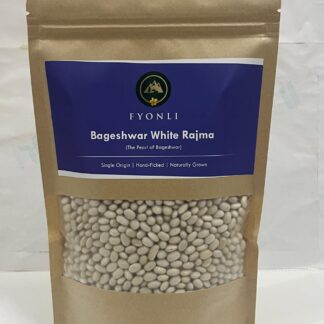
Uttarakhand’s traditional grains — jhangora (barnyard millet), stone-ground mandua (finger millet) flour and pahadi makki atta.
Showing all 3 results
-

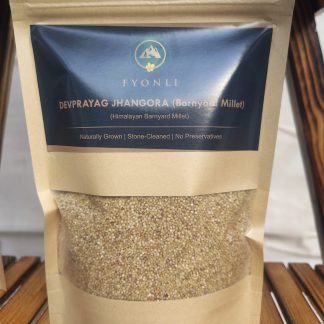
Devprayag Jhangora (Barnyard Millet)
₹279.00 Add to Bag -
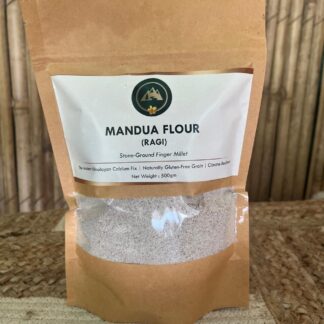
Mandua Flour (Ragi) Stone-Ground Finger Millet
₹99.00 Add to Bag -
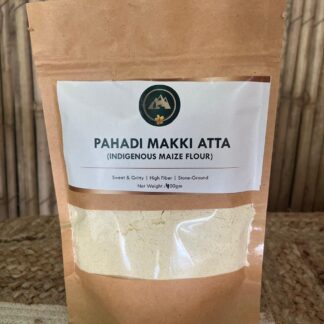
Pahadi Makki Atta (Indigenous Maize Flour)
₹65.00 Add to Bag
Showing all 3 results
Which Himalayan millets does Fyonli sell?
Fyonli’s Millets & Grains range covers the three grains that have fed Uttarakhand’s hill villages for generations: jhangora (barnyard millet), mandua (finger millet, known as ragi in South India) and indigenous pahadi maize.
- Devprayag Jhangora — barnyard millet from Tehri Garhwal, cooked like rice or made into kheer and khichdi. Naturally gluten-free.
- Mandua Flour (Ragi) — stone-ground finger millet flour for mandua roti, porridge and dosa.
- Pahadi Makki Atta — coarse stone-ground maize flour for makki roti.
How do you cook jhangora?
Rinse it, then cook 1 cup jhangora in 2 cups water: bring to a boil, cover and simmer for 12–15 minutes. It also replaces rice in khichdi and kheer. Our guide to cooking jhangora has four traditional Uttarakhand recipes.
Is mandua the same as ragi?
Yes. Mandua and ragi are regional names for the same grain, finger millet (Eleusine coracana). See mandua vs ragi and the mandua guide for what the nutrition numbers show.
Are these grains gluten-free?
Jhangora and mandua are naturally gluten-free grains. If you have celiac disease, check whether the product page mentions shared milling before buying.