
Posted on Leave a comment

Jhangora: What Is It, Health Benefits, and How It Compares to Other Millets

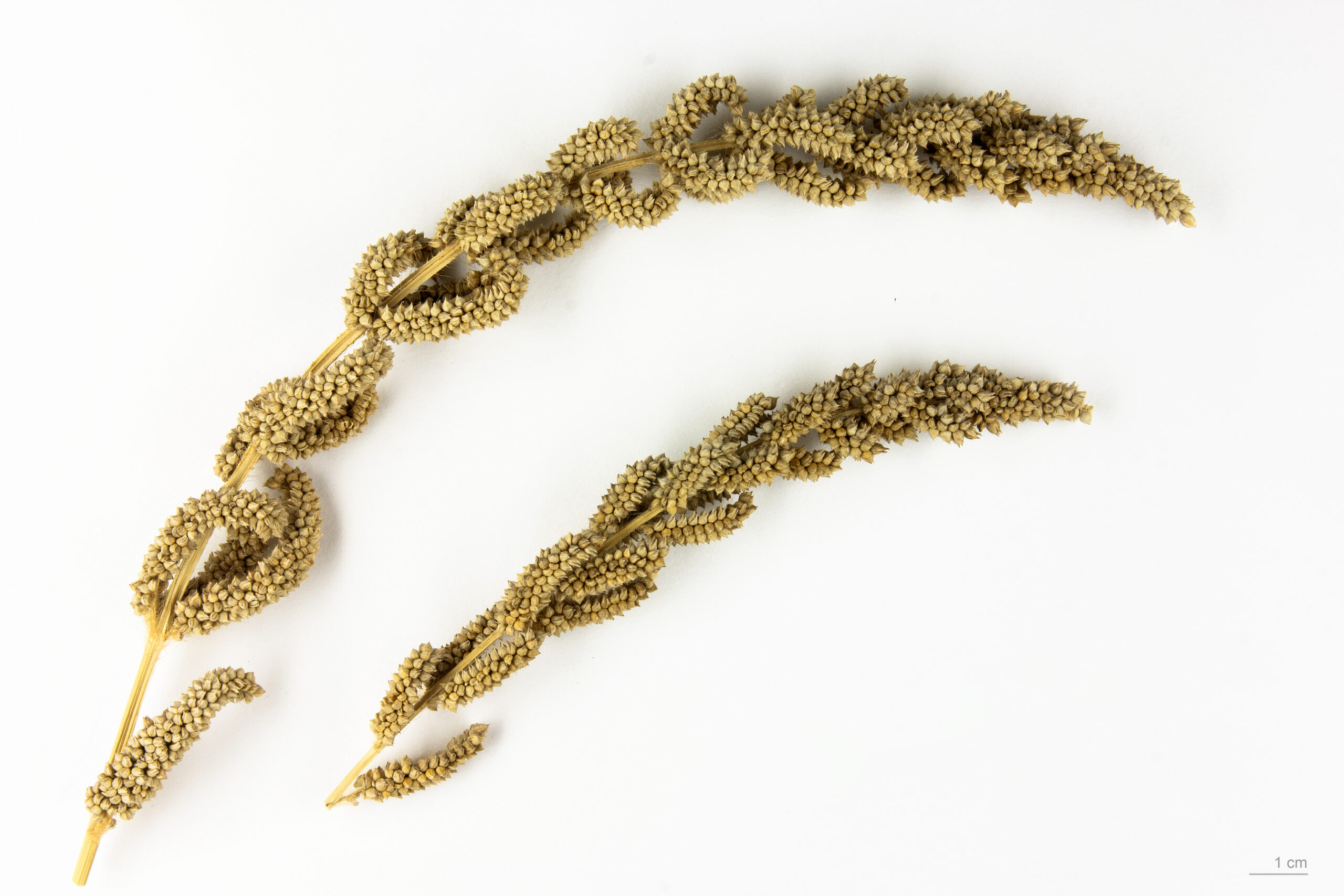
Jhangora barnyard millet (Echinochloa frumentacea) — the ancient Himalayan grain grown in Uttarakhand

Jhangora is barnyard millet — the local Garhwali name for Echinochloa frumentacea, a small, white, gluten-free grain grown on the terraced hillside farms of Uttarakhand for over 2,000 years. Also called Sanwa in Hindi and Sama in fasting traditions, jhangora is one of the most nutritionally complete millets available in India — with the highest dietary fibre of any commonly eaten millet, a low glycaemic index, and a Himalayan origin that makes its variety genuinely distinct.

If you are new to millets, or specifically trying to understand where jhangora sits in the millet category and how it compares to ragi, bajra, jowar, and foxtail millet — this guide covers exactly that.

In This Article


What Is Jhangora? The Quick Answer

Jhangora is the Uttarakhand name for barnyard millet, one of the eight millets recognised and promoted by the Indian government under its Millet Mission. Its scientific name is Echinochloa frumentacea. It is called Sanwa or Samak in Hindi, Kuthiraivalli in Tamil, and Oodalu in Kannada — the same grain, known by different names across India’s regional food traditions.

In Uttarakhand’s Garhwal and Kumaon hills, jhangora has been a daily staple grain for thousands of years — eaten as a rice substitute, cooked into kheer, made into khichdi, and used as a fasting-approved grain during Navratri and Ekadashi. It grows naturally at altitudes between 400 and 2,100 metres on rain-fed terraced farms with no irrigation and no synthetic fertiliser.

Uttarakhand jhangora has a pending Geographical Indication (GI) tag — a formal recognition that this specific Himalayan variety, grown in this specific terrain, is distinct from barnyard millet grown in the plains.


Where Jhangora Fits in the Millet Family

India grows and eats eight major millets. Understanding where jhangora sits in that family helps clarify what makes it different and who should prioritise it.

  • Ragi (Finger Millet) — the calcium king; best for bone health and growing children
  • Bajra (Pearl Millet) — highest protein and iron; widely eaten across Rajasthan and Gujarat
  • Jowar (Sorghum) — mild, versatile; good for chapatis and rotis
  • Foxtail Millet (Kangni) — high protein, high fibre; popular in South India
  • Little Millet (Kutki) — high iron; used extensively in tribal food traditions
  • Kodo Millet — antidiabetic properties; used in Chhattisgarh and Madhya Pradesh
  • Proso Millet — fast-growing; relatively mild nutritional profile
  • Jhangora / Barnyard Millet — highest fibre of any millet; lowest glycaemic index; fasting-approved; Himalayan origin

Each millet has a specific nutritional strength. Jhangora’s position is clear: it is the fibre champion of the millet family, and the grain best suited to blood sugar management, weight control, and fasting traditions.


Jhangora vs Other Millets — Head-to-Head

This is where the numbers tell the story. All values are per 100g raw grain (source: ICMR-NIN National Food Composition Tables).

MilletCaloriesProteinDietary FibreIronGIGluten-Free
Jhangora (Barnyard)307 kcal6.2g9.8g2.9mg~50 (Low)Yes
Ragi (Finger Millet)336 kcal7.3g3.6g3.9mg~65Yes
Bajra (Pearl Millet)361 kcal11.6g1.2g16.9mg~55Yes
Jowar (Sorghum)349 kcal10.4g1.8g4.1mg~55Yes
Foxtail Millet351 kcal12.3g8.0g2.8mg~50Yes
Little Millet341 kcal7.7g7.6g9.3mg~50Yes

What the table shows: Jhangora has the highest dietary fibre (9.8g) of any millet in the comparison — more than double the fibre of ragi, jowar, and bajra. Its glycaemic index (~50) is among the lowest. The trade-off: its protein (6.2g) is lower than bajra, jowar, or foxtail millet. If your priority is fibre and blood sugar stability, jhangora is the clear choice. If your priority is maximum protein, foxtail millet or bajra serves better.

One thing the table cannot show: origin and growing conditions. Jhangora from Uttarakhand’s Himalayan farms is a genuinely different product from commercially grown barnyard millet. Altitude, soil mineralogy, and traditional seed varieties all affect the final grain — a difference you taste and feel.


5 Key Health Benefits of Jhangora

1. The Highest Fibre of Any Commonly Eaten Millet

At 9.8g of dietary fibre per 100g, jhangora delivers more fibre than ragi, bajra, jowar, and most other millets. This matters for three reasons: gut health and regular digestion; sustained fullness after meals (meaning you eat less overall); and cholesterol management, as dietary fibre binds to bile acids and reduces LDL reabsorption. A single serving of jhangora provides a substantial contribution to the 25–30g daily fibre target that most Indians do not reach.

2. Low Glycaemic Index — Stable Energy Throughout the Day

Jhangora’s glycaemic index of approximately 50 puts it in the low-GI category. This means it releases glucose slowly into the bloodstream rather than causing a sharp spike and subsequent energy crash. For anyone managing blood sugar — or simply wanting to avoid the 3pm energy slump after lunch — switching from white rice or wheat rotis to jhangora at one meal a day is a straightforward, evidence-backed choice. Our deeper guide on Jhangora Barnyard Millet covers the diabetes angle in full.

3. Genuine Support for Weight Management

The combination of high fibre, low GI, and moderate calories (307 kcal per 100g — lower than ragi, bajra, jowar, or foxtail millet) makes jhangora one of the most weight-management-appropriate grains available. Fibre creates satiety; low GI prevents hunger-triggering blood sugar crashes; and the slightly lower caloric density means you can eat a satisfying portion without overconsumption. Replacing white rice with jhangora at one meal per day is a single dietary change with a measurable calorie and fibre impact.

4. Antioxidants and Phenolic Compounds Not Found in Refined Grains

Jhangora barnyard millet contains phenolic acids and flavonoids — plant antioxidants that reduce oxidative stress, support cellular health, and help manage chronic low-grade inflammation. These compounds are present in the outer bran layer of the grain, which is retained in minimally processed jhangora. They do not appear on a nutrition label but form a significant part of the grain’s traditional health reputation across Himalayan food medicine.

5. Naturally Gluten-Free and Easy to Digest

Like all millets, jhangora is naturally gluten-free — not processed to remove gluten but genuinely free of it by nature. For those with gluten sensitivity, coeliac disease, or wheat intolerance, jhangora is a safe, filling, and nutritionally complete alternative. It is also generally well-tolerated by people with sensitive digestion — lighter on the stomach than wheat and with none of the digestive heaviness that refined grains often cause.


Jhangora for Navratri and Ekadashi Fasting

One of the most important traditional uses of jhangora — and one that explains its enduring place in North Indian kitchens — is as a fasting grain.

During Navratri, Ekadashi, and Maha Shivratri, Hindu fasting traditions prohibit the consumption of cereals — wheat, rice, barley, oats, and regular corn. Millets, however, are not classified as cereals under these fasting rules. Jhangora (barnyard millet) is specifically listed as an acceptable fasting grain in most North Indian fasting traditions, alongside Sama rice (which is actually a different millet — little millet / Proso millet), singhara atta, and kuttu (buckwheat).

This makes jhangora uniquely useful: it provides complex carbohydrates, sustained energy, and genuine fullness during fasting periods — without the blood sugar crash that comes from sugar-based fasting snacks like fruits, dairy sweets, or sabudana prepared with lots of ghee and potato.

Common jhangora fasting preparations:

  • Jhangora khichdi — cooked with sendha namak (rock salt), ghee, and cumin; no onion, no garlic
  • Jhangore ki kheer — cooked in full-fat milk with sugar and cardamom; a Pahadi festival dessert
  • Jhangora upma — tempered with ghee, green chilli, and mild spices permitted during fasting

Pahadi families in Uttarakhand have eaten jhangora through every fast and festival for centuries — long before “fasting superfoods” became a marketing category.


Jhangora in Ayurveda

Ayurvedic texts classify jhangora (referred to as Shyamaka in Sanskrit) as a light, easy-to-digest grain with cooling, balancing properties. It is recommended in Ayurveda for:

  • Digestive disorders — its lightness makes it suitable for people with sluggish digestion, bloating, or IBS
  • Fever and convalescence — jhangora gruel (kanji) was traditionally prescribed during illness for its easy digestibility and hydrating properties
  • Pitta and Kapha imbalance — its cooling nature helps pacify excess heat (Pitta) and its fibre content helps clear Kapha accumulation
  • Weight management — Ayurveda classifies it as Laghu (light) and Grahi (absorbent), properties associated with healthy weight maintenance

The Ayurvedic view of jhangora aligns closely with what modern nutritional science confirms: a grain that is easy on the digestive system, slow to release energy, and supportive of healthy weight and stable metabolism.


The Uttarakhand Altitude Advantage

Not all jhangora is the same. The barnyard millet grown on the terraced hillside farms of Uttarakhand — in districts like Tehri Garhwal, Devprayag, Chamoli, and Pauri Garhwal — is a different product from commercially grown barnyard millet cultivated in flat, irrigated plains.

Three factors explain why altitude matters:

Slower Maturation = Denser Grain

At altitudes above 1,000 metres, cooler temperatures slow the growth cycle of the jhangora plant. A slower maturation allows more time for the grain to accumulate nutrients, develop flavour compounds, and build denser cellular structure. Plains-grown jhangora matures faster under warmer conditions — producing a larger but nutritionally thinner grain.

Himalayan Soil Mineralogy

Uttarakhand’s terraced farms sit on weathered Himalayan rock — rich in trace minerals including zinc, magnesium, and silica that are often depleted in intensively farmed plains soil. Crops absorb minerals from soil; mineral-rich soil produces mineral-rich grain. This is the biochemical basis for why mountain-grown grains and pulses have different nutritional profiles from their plains-grown equivalents.

No Synthetic Inputs

Pahadi mountain farming is inherently low-input — steep terrain, lack of irrigation infrastructure, and the traditional farming knowledge of Garhwali and Kumaoni communities means these farms have never relied on chemical fertilisers or pesticides. The jhangora grows in genuine organic conditions, not certified-but-converted organic conditions.


Frequently Asked Questions About Jhangora

What is jhangora in English?

Jhangora is called barnyard millet in English. Its scientific name is Echinochloa frumentacea. In Hindi it is known as Sanwa; in Tamil as Kuthiraivalli; in Kannada as Oodalu. It is one of the eight millets promoted under India’s national Millet Mission.

Is jhangora the same as Sama rice?

No. Jhangora (barnyard millet, Echinochloa frumentacea) and Sama (little millet / Proso millet, Panicum sumatrense) are different plants. Both are used as fasting grains and both are called “Sama ke chawal” or similar names in different regions — which creates confusion. In Uttarakhand, jhangora is the primary fasting millet. In Maharashtra and Gujarat, Sama (little millet) fills that role. They have similar uses but are nutritionally and botanically distinct.

Is jhangora better than ragi?

It depends on what you need. Ragi wins on calcium — at 344mg per 100g, it is the best plant source of calcium available in grain form. Jhangora wins on fibre — at 9.8g per 100g vs ragi’s 3.6g, nearly three times more. Jhangora also has a lower glycaemic index than ragi. If your priority is bone health and calcium: ragi. If your priority is fibre, blood sugar stability, and digestive health: jhangora. Ideally, eat both.

Can jhangora be eaten during Navratri fasting?

Yes. Jhangora is a traditionally accepted fasting grain for Navratri and Ekadashi in North Indian Hindu fasting practice. It is not classified as a cereal grain under fasting rules and can be eaten during both Navratri and Ekadashi. The most common fasting preparations are jhangora khichdi (made with rock salt and ghee) and jhangore ki kheer (milk-based dessert).

Is jhangora good for weight loss?

Yes — jhangora supports weight management through three mechanisms: its 9.8g of dietary fibre creates strong satiety; its low glycaemic index prevents hunger-triggering blood sugar crashes; and at 307 kcal per 100g it is lower in calories than most other millets. It does not “burn fat” — no food does — but as a grain replacement in your daily diet, it consistently produces better fullness and lower total calorie intake than white rice or wheat rotis.


Related reading:


Want recipes? See How to Cook Jhangora — 4 Traditional Recipes + Jhangora vs Rice for step-by-step methods, water ratios, and a detailed rice comparison.
Posted on 1 Comment

Mandua (Finger Millet): 7 Proven Benefits of Uttarakhand’s Most Calcium-Rich Mountain Grain

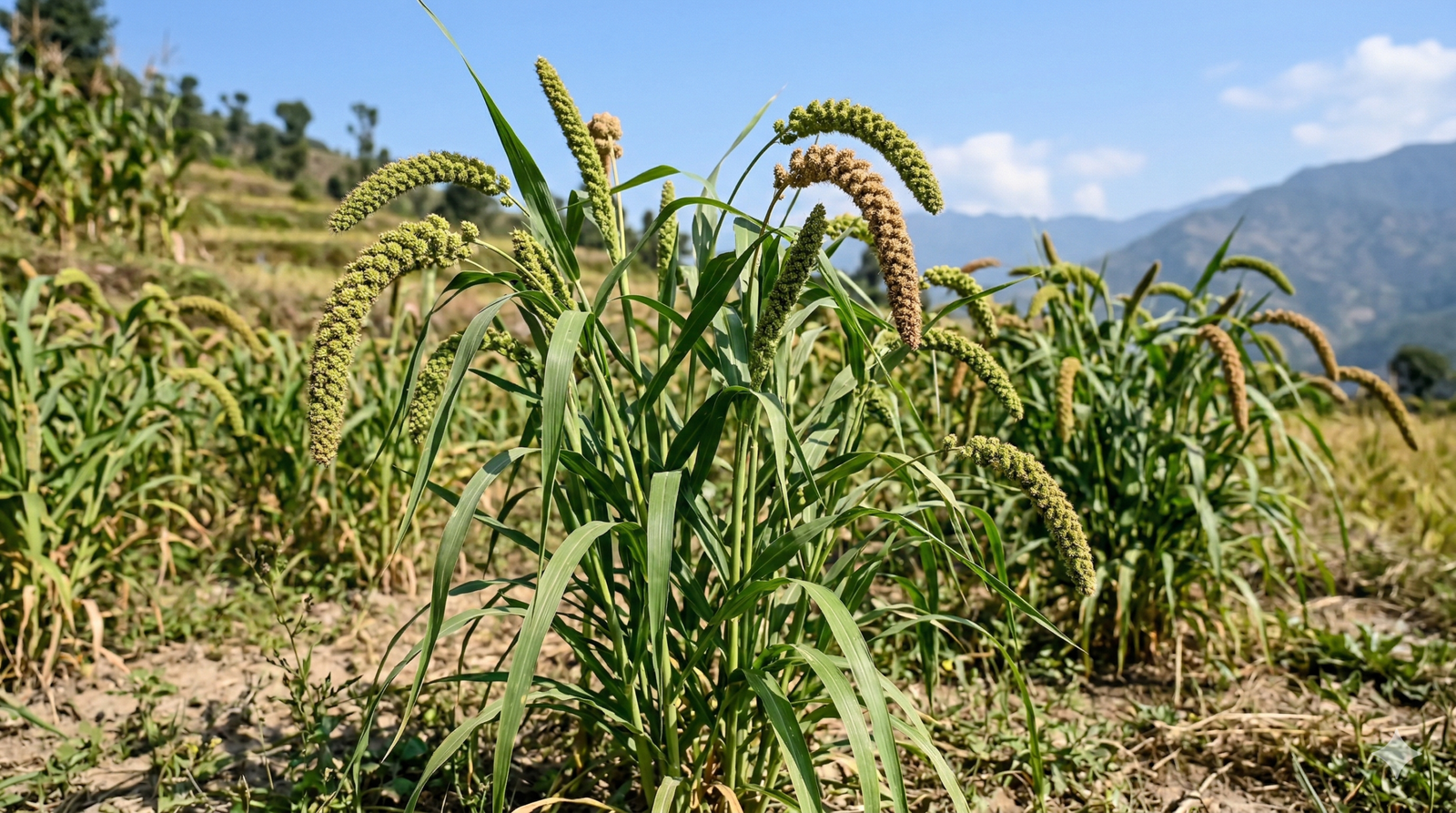
Mandua finger millet grains from Uttarakhand Himalayas

Mandua — finger millet’s Garhwali name — is one of the oldest cultivated grains in the Himalayan food system and, nutritionally, one of the most extraordinary cereals grown anywhere in India. Known as Ragi in South India, Koda in Nepal, and Mandua or Madua across Uttarakhand and Himachal Pradesh, this small, dark-brown grain has been the dietary backbone of Himalayan mountain communities for over three thousand years.

The rest of India is only now beginning to understand what Uttarakhand has always known: mandua millet is not a poor man’s grain. It is a nutritional powerhouse — containing more calcium than milk, more iron than most cereals, more fibre than wheat, and a glycaemic index low enough to make it one of the best grains for diabetics. This is a complete, evidence-based guide to mandua millet benefits, its Himalayan origins, and how to bring it into your daily diet.

In This Article


What Is Mandua (Finger Millet)?

Mandua is the local Garhwali and Kumaoni name for finger millet — the cereal grain scientifically known as Eleusine coracana. The name “finger millet” comes from the shape of its seed head, which branches into five to six finger-like spikes radiating outward from a central point. The grain itself is tiny — roughly 1–2mm — and ranges from deep brown to reddish-purple depending on the variety.

It is the same grain known as Ragi in Karnataka, Tamil Nadu, and Andhra Pradesh; as Nachni in Maharashtra; as Kodo in parts of Nepal; and as Mandua, Madua or Marua across the Himalayan belt of Uttarakhand and Himachal Pradesh. Despite its many regional names, finger millet is a single species — one of Africa’s original domesticated grains, later carried across trade routes into South Asia, where it has been grown for at least 3,000 years.

In Uttarakhand, mandua millet is one of the three foundational crops of the Himalayan farming system — alongside jhangora (barnyard millet) and gahat (horse gram). It grows on rain-fed terraced fields at altitudes between 1,000 and 2,500 metres, requires minimal inputs, and is uniquely adapted to the short growing season and erratic rainfall patterns of mountain agriculture.


Where Uttarakhand’s Mandua Comes From

The most prized mandua in Uttarakhand is grown across the hill districts of Pauri Garhwal, Chamoli, Tehri Garhwal, Almora, and Pithoragarh — where the combination of high altitude, clean mountain air, and mineral-rich, glacier-fed soil creates conditions that produce a denser, more nutritious grain than flatland cultivation can achieve.

Uttarakhand farmers typically sow mandua in June after the monsoon breaks and harvest it between October and November. The entire crop is grown on rain-fed terraced fields without irrigation infrastructure, which means the grain matures slowly, absorbing soil minerals over a longer period than commercially grown ragi from Karnataka or Andhra Pradesh.

This slow mountain growing cycle is part of why Uttarakhand mandua has a noticeably deeper flavour and darker colour than commercially grown ragi — and why traditional Pahadi households have always treated it as a medicine as much as a food.


Mandua Nutrition — What the Numbers Show

Mandua millet’s nutritional profile is what sets it apart from almost every other cereal grain available in India. Here are the headline numbers per 100g of whole mandua grain:

  • Calcium: 344mg — the highest calcium content of any cereal grain; approximately 3× more than whole milk (120mg per 100ml)
  • Iron: 3.9mg — significantly higher than wheat (2.7mg) and white rice (0.7mg)
  • Protein: 7.3g — comparable to wheat, more than rice
  • Dietary Fibre: 3.6g — supports gut health, digestion and blood sugar regulation
  • Magnesium: 137mg — important for muscle function, nerve health and cardiac rhythm
  • Phosphorus: 283mg — works alongside calcium for bone mineralisation
  • Energy: 336 kcal — comparable to wheat; more energy-dense than rice
  • Glycaemic Index: ~54 — classified as a low-GI food (below 55)

No other commonly consumed cereal grain in India comes close to mandua’s calcium content. This single nutritional fact — 344mg calcium per 100g — is the reason traditional Himalayan communities gave mandua to children, pregnant women, nursing mothers, and the elderly as a matter of course, long before any of this was quantified in a laboratory.


7 Proven Mandua Millet Benefits

1. Bone Health — More Calcium Than Milk

At 344mg of calcium per 100g, mandua millet contains more calcium than milk (approximately 120mg per 100ml), more than paneer (approximately 200mg per 100g), and more than any other cereal grain grown in India. For vegetarian households, children in growing years, post-menopausal women, and older adults at risk of osteoporosis, mandua millet is genuinely one of the most effective dietary calcium sources available — and it costs a fraction of dairy-based supplementation.

The calcium in mandua is accompanied by phosphorus (283mg/100g) and magnesium (137mg/100g) — both cofactors that support calcium absorption and bone mineralisation. This combination makes mandua millet more effective for bone health than a calcium supplement taken in isolation.

2. Blood Sugar Control — A Low Glycaemic Index Grain

Mandua millet has a glycaemic index of approximately 54 — well below the threshold of 55 that classifies a food as low-GI. White rice has a GI of around 72. White bread sits at 75. This means mandua millet releases glucose into the bloodstream slowly and steadily, avoiding the sharp post-meal blood sugar spike and the energy crash that follows it.

For people managing Type 2 diabetes, pre-diabetes, or insulin resistance, switching from white rice to mandua as the primary grain in at least one daily meal can produce a measurable reduction in post-prandial (after-meal) glucose levels. Multiple studies on finger millet have confirmed this effect, with some research specifically on Uttarakhand mandua varieties showing strong anti-diabetic properties linked to polyphenols naturally present in the grain’s seed coat.

3. Anaemia Prevention — Significant Iron and Folate

Iron deficiency anaemia affects approximately 50% of Indian women and over 40% of children under five — making it one of the most significant nutritional problems in the country. Mandua millet contains 3.9mg of iron per 100g — more than five times the iron content of polished white rice (0.7mg). For a vegetarian population that cannot rely on haem iron from meat, mandua is one of the most practical dietary iron sources available.

Traditional Himalayan practice of giving mandua roti to pregnant women and young children was, unknowingly, addressing exactly this problem — and doing so effectively for thousands of years before iron supplementation existed.

4. Weight Management — Fibre-Rich and Deeply Satisfying

Mandua millet’s 3.6g of dietary fibre per 100g slows gastric emptying — meaning food moves more slowly through the digestive system after a mandua-based meal. This produces prolonged satiety: you stay full for longer, eat less at the next meal, and experience fewer hunger-driven snacking impulses.

At 336 kcal per 100g, mandua is comparable in caloric density to wheat. But because it keeps you full for significantly longer, the net caloric intake over a day is typically lower for people who eat mandua regularly compared to those eating refined wheat or white rice. This is one of the reasons mandua millet has become popular in weight management diets and among athletes managing body composition.

5. Heart Health — Magnesium, Potassium and Cholesterol Management

Mandua millet is rich in magnesium (137mg per 100g) — a mineral that plays a direct role in maintaining healthy cardiac rhythm, reducing arterial stiffness, and supporting the body’s natural blood pressure regulation mechanisms. A diet consistently deficient in magnesium is associated with increased cardiovascular risk; mandua is one of the simplest whole-food ways to address this deficiency.

Research on finger millet has also indicated cholesterol-lowering effects — specifically, regular consumption appears to reduce LDL (“bad”) cholesterol while maintaining HDL (“good”) cholesterol levels, an effect attributed to its polyphenol and dietary fibre content working together.

6. Digestive Health — Prebiotic Fibre and Gut Support

The dietary fibre in mandua millet functions as a prebiotic — feeding beneficial gut bacteria and supporting a healthy gut microbiome. A thriving gut microbiome is now understood to have far-reaching effects beyond digestion alone: it influences immune function, mood regulation, metabolic efficiency, and even skin health.

For people suffering from chronic constipation, irregular bowel movements, or bloating, incorporating mandua millet into two to three meals per week consistently improves digestive regularity — without the need for fibre supplements or laxatives.

7. Naturally Gluten-Free — Safe for Celiac and Gluten Sensitivity

Mandua millet is completely gluten-free — not because it has been processed to remove gluten, but because it never contained gluten in the first place. For people with celiac disease, non-celiac gluten sensitivity, or wheat allergy, mandua offers a nutritionally superior gluten-free grain option that does not require any special processing, fortification, or substitution strategy.

Unlike most commercial gluten-free products (which are typically made from refined rice flour or starch and offer little nutritional value), mandua millet flour retains its complete nutritional profile — calcium, iron, protein, fibre — making it one of the most nutritionally complete gluten-free staples available.


Mandua vs Wheat vs Rice — A Direct Comparison

Placing mandua millet alongside the two grains it most commonly replaces in the Indian kitchen makes its nutritional advantage unmistakable:

  • Calcium: Mandua 344mg | Wheat 41mg | White Rice 10mg — Mandua wins by a factor of 8–34×
  • Iron: Mandua 3.9mg | Wheat 2.7mg | White Rice 0.7mg — Mandua leads on iron
  • Glycaemic Index: Mandua ~54 | Wheat ~69 | White Rice ~72 — Mandua is the clear low-GI choice
  • Gluten: Mandua — None | Wheat — High | Rice — None
  • Magnesium: Mandua 137mg | Wheat 138mg | White Rice 25mg — Mandua and wheat comparable; both far above rice

The only category where mandua does not clearly outperform is taste versatility in its whole grain form — it requires more preparation than white rice. But in flour form (mandua atta), it can replace wheat flour in rotis, parathas, dosas, porridge, and baked goods with very little adjustment to existing recipes.


How Mandua Is Used in Traditional Uttarakhand Cooking

In Uttarakhand, mandua has been ground into flour (mandua atta) and used as the primary roti grain for centuries — particularly in winter, when its warming, calorie-dense, and mineral-rich properties made it the ideal fuel for agricultural communities working at altitude in cold temperatures.

The traditional Pahadi preparation is Mandua ki Roti — a slightly thicker, darker flatbread made from whole mandua flour, typically served with ghee, pahadi dal, or aloo ke gutke. The flavour is earthier and nuttier than wheat roti, with a mildly bitter edge that Pahadi cooks balance with a generous pour of desi ghee.

Other traditional preparations include:

  • Mandua ka Halwa — a slow-cooked flour and ghee halwa traditionally made for new mothers after childbirth, specifically for its bone-strengthening calcium content
  • Mandua ki Khichdi — whole mandua grain slow-cooked with mountain lentils into a thick, warming winter porridge
  • Mandua ke Biscuit — a dry, twice-baked cracker made in mountain households as a long-lasting travel food for shepherds and traders moving between villages
  • Mandua ki Kanji — a thin fermented porridge made for infants being weaned, valued for its gentle digestibility and high calcium content

Every one of these preparations was built around an intuitive understanding of mandua millet’s nutritional properties — even if the word “calcium” was never used.


How to Add Mandua to Your Daily Diet

The simplest way to start with mandua is to replace 25–50% of the wheat flour in your regular roti dough with mandua atta. The texture will be slightly denser and the colour darker, but the flavour is complementary to most Indian accompaniments — dal, sabzi, pickle, ghee. Increase the proportion gradually as your household adjusts to the taste.

Other practical entry points:

  • Morning porridge: Roast mandua atta lightly in a dry pan, then cook with milk or water, jaggery and cardamom for a high-calcium breakfast that keeps you full through the morning
  • Dosa batter: Replace 30% of the rice flour in your dosa batter with mandua atta — you get a crispier, more nutritious dosa with a pleasant earthy note
  • Smoothies: Add a tablespoon of roasted mandua flour to a banana smoothie — it thickens the smoothie and adds calcium without significantly changing the flavour
  • Whole grain preparation: Soak whole mandua grain for 8 hours, then pressure cook for 3–4 whistles. Use as a rice substitute or add to salads and grain bowls

Frequently Asked Questions

What is mandua millet called in English?

Mandua is the Garhwali and Kumaoni name for finger millet — the cereal grain scientifically called Eleusine coracana. It is also known as Ragi (Karnataka, Tamil Nadu, Andhra Pradesh), Nachni (Maharashtra), Kodo or Koda (Nepal), and Marua across the Himalayan belt. All names refer to the same grain.

Does mandua millet really have more calcium than milk?

Yes. Whole mandua grain contains approximately 344mg of calcium per 100g. Full-fat milk contains approximately 120mg per 100ml. On a weight-for-weight basis, mandua millet has nearly three times more calcium than milk — making it one of the highest natural dietary calcium sources available in the Indian food system, particularly valuable for lactose-intolerant individuals and vegans.

Is mandua good for diabetics?

Yes — mandua millet is one of the most suitable grains for people managing diabetes or blood sugar regulation. Its glycaemic index of approximately 54 is classified as low (below 55), compared to white rice (GI ~72) and white bread (GI ~75). This means mandua releases glucose slowly, preventing the sharp post-meal blood sugar spikes associated with high-GI grains. Its polyphenol content also has documented anti-diabetic properties.

Is Uttarakhand mandua different from South Indian ragi?

Botanically they are the same species — Eleusine coracana. However, the growing conditions are significantly different. Uttarakhand mandua is grown at high altitude (1,000–2,500m) on rain-fed terraced fields in mineral-rich mountain soil, with a slow growing season and no chemical inputs. The resulting grain tends to be darker, denser, and more flavourful than commercially produced ragi from flatland farms in Karnataka or Andhra Pradesh. For a full breakdown of the naming confusion, regional names, and what these differences mean in practice, see: Mandua vs Ragi: Same Grain, or Different?

How much mandua should I eat per day?

There is no fixed prescription, but a practical daily serving is 80–100g of mandua flour (2–3 rotis) or 60–80g of whole grain. At 100g, you receive approximately 344mg of calcium — about one third of the adult recommended daily intake of 1,000mg — along with meaningful amounts of iron, fibre, magnesium and protein. Starting with one mandua meal per day and increasing gradually is the easiest approach for most households.

Is mandua gluten-free?

Yes. Mandua millet is completely and naturally gluten-free. It contains no gluten proteins and is safe for people with celiac disease, non-celiac gluten sensitivity, and wheat allergy. Unlike processed gluten-free products, mandua retains its full nutritional profile — calcium, iron, fibre — without any need for fortification or special processing.

Posted on 1 Comment

How to Cook Jhangora: 4 Traditional Recipes + Jhangora vs Rice

jhangora barnyard millet Uttarakhand

Jhangora is Uttarakhand’s ancient barnyard millet — a gluten-free, low-GI grain grown on Himalayan terraced farms at altitudes between 400 and 2,100 metres for over 2,000 years. For the full nutritional breakdown, millet-by-millet comparison, and Ayurvedic context, see the complete Jhangora guide. This page covers the cooking side: how jhangora compares to rice on every key metric, four traditional Uttarakhand recipes with step-by-step method, and the exact ratios and timing that make the difference.


In This Article


Jhangora vs Rice — 5 Reasons Barnyard Millet Wins

When comparing jhangora barnyard millet to white rice directly, five differences stand out consistently — and all five favour jhangora.

1. Glycaemic Index — Jhangora Is Significantly Lower

White rice has a glycaemic index of approximately 72 — meaning it causes a rapid spike in blood sugar after eating. Jhangora barnyard millet has a glycaemic index of around 50 — releasing energy slowly and steadily without the spike and crash that rice causes.

For diabetics, those managing weight, or anyone trying to reduce energy crashes after meals, this difference is significant and measurable.

2. Fibre — Jhangora Has Nearly 4× More

White rice contains approximately 0.4g of dietary fibre per 100g. Jhangora barnyard millet contains approximately 9.8g per 100g — nearly four times more. This fibre supports digestion, gut health, sustained fullness, and cholesterol management in ways that white rice simply cannot.

3. Iron — Jhangora Beats Rice Substantially

White rice is a poor source of iron. Jhangora barnyard millet contains approximately 2.9mg of iron per 100g — meaningful for vegetarians managing iron levels, women with high iron requirements, and anyone dealing with fatigue linked to low haemoglobin.

4. Protein — More Per Gram Than Rice

Jhangora barnyard millet contains approximately 6.2g of protein per 100g compared to 2.7g in white rice. For a vegetarian household where dal-rice is the staple meal, switching the rice component to jhangora meaningfully increases the protein content of every meal without changing what you eat alongside it.

5. Gluten-Free — Naturally, Without Processing

Jhangora barnyard millet is naturally gluten-free — not processed to remove gluten, but genuinely free of it by nature. For those with gluten sensitivity or coeliac disease, it is a safe, nutritious, and filling alternative to both wheat and processed gluten-free products.


Why Jhangora Is Exceptional for Diabetics

The combination of low glycaemic index, high dietary fibre, and complex carbohydrates makes jhangora barnyard millet one of the most suitable grains available for people managing Type 2 diabetes or insulin resistance. Unlike white rice — which rapidly converts to glucose in the bloodstream — jhangora releases energy gradually, helping maintain stable blood sugar levels throughout the day.

Traditional Uttarakhand families who have eaten jhangora daily for generations have always experienced it as a grain that sustains rather than spikes — often without knowing the biochemical reason why. The nutritional science now confirms what the food tradition already knew.

The practical implication: substituting jhangora for rice at even one meal a day delivers a meaningful reduction in the glycaemic load of your diet. The recipes below make that substitution straightforward.


4 Traditional Jhangora Recipes from Uttarakhand Kitchens

In Uttarakhand, jhangora is not a health food — it is simply food. A daily staple present at meals throughout the week in multiple forms. These four preparations cover everyday cooking, celebration desserts, fasting meals, and weekday breakfasts.

1. Jhangora as a Rice Substitute

The simplest and most direct use: cook jhangora exactly as you would rice and serve it alongside any dal, sabzi, or curry. The texture is slightly lighter and more granular than rice — mildly nutty, with a pleasant chew that holds up well under thick gravies. It pairs particularly well with Gahat Dal (the traditional Pahadi horse gram preparation) and with any simple Toor Dal tadka.

Method: Rinse 1 cup jhangora under cold water. Add to a pot with 2 cups of water and a pinch of salt. Bring to a boil, reduce heat, cover, and simmer for 12–15 minutes. Turn off heat, rest covered for 5 minutes, then fluff with a fork and serve. That is it — faster than rice, with none of the sticking.

2. Jhangore ki Kheer — Uttarakhand’s Most Celebrated Dessert

The most beloved jhangora dish across Garhwal and a staple at Pahadi festivals, celebrations, and family gatherings. Lighter than rice kheer but equally comforting — the millet gives the milk a delicate, slightly nutty sweetness that rice cannot replicate. If you make one jhangora recipe, make this one.

Ingredients (serves 4): ½ cup jhangora, 1 litre full-fat milk, 3–4 tablespoons sugar (adjust to taste), ¼ tsp cardamom powder, a small handful of raisins, chopped cashews or almonds to garnish.

  1. Rinse jhangora and soak in cold water for 30 minutes, then drain
  2. Bring milk to a gentle boil in a heavy-bottomed pan, stirring to prevent scorching
  3. Add the soaked jhangora and stir well to combine
  4. Cook on medium-low heat for 20–25 minutes, stirring every few minutes
  5. When the millet is completely soft and the milk has thickened, add sugar and cardamom
  6. Stir for 2 more minutes, add raisins, remove from heat
  7. Serve warm or chilled — both are excellent, though most Pahadi families serve it warm at celebrations

3. Jhangora Khichdi — The Mountain Comfort Meal

Jhangora cooked with moong dal, ghee, and gentle spices into a soft, warming one-pot meal. The Pahadi version of the ultimate Indian comfort dish — and arguably better than the standard because the grain holds its texture without going mushy. Particularly popular during Navratri, when jhangora is the accepted fasting grain across Uttarakhand.

Ingredients (serves 2–3): ½ cup jhangora, ¼ cup yellow moong dal (soaked 20 minutes), 2 tsp ghee, ¼ tsp cumin seeds, a pinch of asafoetida (skip during fasting), rock salt (sendha namak for fasting), ½ tsp ginger paste, 2 cups water.

  1. Heat ghee in a pressure cooker over medium heat
  2. Add cumin seeds and let them sizzle for 30 seconds, then add ginger paste and stir 30 seconds more
  3. Add rinsed jhangora and drained moong dal, stir to coat in ghee for 1 minute
  4. Add 2 cups water and rock salt, stir once
  5. Pressure cook for 2 whistles on medium heat, then remove from heat
  6. Let pressure release naturally. Open, stir gently, and serve hot with an extra drizzle of ghee

4. Jhangora Upma — A Nutritious Breakfast in 20 Minutes

Roasted jhangora prepared exactly like semolina upma — tempered in mustard seeds, curry leaves, and green chilli, then cooked through with vegetables. Ready in 20 minutes, genuinely filling, and nutritionally far superior to the semolina original. An excellent weekday breakfast for anyone managing blood sugar.

Ingredients (serves 2): 1 cup jhangora, 2 tsp oil, ½ tsp mustard seeds, 8–10 curry leaves, 1 green chilli (slit), 1 small onion (finely chopped), ¼ cup mixed vegetables (carrot, peas, beans), salt to taste, juice of half a lemon, fresh coriander to garnish.

  1. Dry-roast jhangora in a pan on medium heat for 3–4 minutes until it turns slightly golden and aromatic — this step is not optional; it prevents the upma from going sticky
  2. Set aside. Heat oil in the same pan, add mustard seeds and wait for them to splutter
  3. Add curry leaves, green chilli, and onion — sauté 3 minutes until the onion softens
  4. Add vegetables and sauté 2 more minutes
  5. Add the roasted jhangora, stir well to combine everything
  6. Add 1¾ cups water and salt, stir, cover and cook on low heat for 10 minutes
  7. Check that water is absorbed and jhangora is cooked through. Finish with lemon juice and fresh coriander

How to Cook Jhangora at Home — The Basics

Do You Need to Soak Jhangora Before Cooking?

For most everyday uses — rice substitute, khichdi — no. Rinse under cold water and cook directly. Soaking for 20–30 minutes improves texture for kheer, helping the grain cook more evenly in milk and produce a creamier result. For upma, skip the soak entirely and dry-roast instead — soaking makes upma sticky.

Water Ratios at a Glance

  • Rice substitute (firm texture): 1 cup jhangora : 2 cups water, simmer 12–15 minutes covered
  • Softer, porridge-style: 1 cup jhangora : 2½ cups water, simmer 18 minutes
  • Khichdi (pressure cooker): 1 cup grain+dal combined : 2 cups water, 2 whistles medium
  • Upma: 1 cup dry-roasted jhangora : 1¾ cups water, low heat 10 minutes
  • Kheer: ½ cup soaked jhangora : 1 litre milk, medium-low heat 20–25 minutes stirring often

Jhangora Nutrition — Quick Reference

Per 100g of jhangora barnyard millet: 307 kcal, 6.2g protein, 65.5g carbohydrates (complex, slow-release), 9.8g dietary fibre, 2.2g fat, 2.9mg iron, 20mg calcium, 280mg phosphorus. Glycaemic index approximately 50. Naturally gluten-free.

The standout numbers for a rice comparison: 9.8g fibre (vs 0.4g in rice), GI of ~50 (vs rice’s ~72), 6.2g protein (vs 2.7g in rice). For the full millet-by-millet breakdown, Navratri fasting context, and Ayurvedic profile, see the complete Jhangora guide.


Where to Buy Authentic Devprayag Jhangora Online

Most barnyard millet sold online in India is commercially grown in the plains — nutritionally adequate but without the flavour character that altitude, mineral-rich Himalayan soil, and traditional farming methods produce.

Authentic Pahadi jhangora from Uttarakhand — grown at elevation by mountain farming families — is a noticeably different product. Our jhangora comes directly from Devprayag farming communities, harvested by hand each autumn season, and packed in small batches without industrial processing or blending.

According to FSSAI’s millet promotion guidelines, traditional millet varieties grown using indigenous farming methods retain higher micronutrient profiles compared to commercially cultivated equivalents — a finding consistent with what Pahadi communities have always experienced eating Devprayag jhangora.

Shop Devprayag Jhangora Barnyard Millet →


Frequently Asked Questions About Cooking Jhangora

How long do you soak jhangora before cooking?

For everyday cooking as a rice substitute or in khichdi, no soaking is needed — just rinse well under cold water and cook directly. For kheer and soft porridge preparations, soak for 20–30 minutes first; this helps the grain cook more evenly in milk and produces a creamier texture. For upma, skip soaking entirely and dry-roast instead — soaking makes upma sticky.

What is the correct water ratio for jhangora?

For a firm, rice-like texture: 1 cup jhangora to 2 cups water, simmered for 12–15 minutes covered. For a softer porridge consistency: 1 cup to 2½ cups water for 18 minutes. For upma, use 1 cup dry-roasted jhangora to 1¾ cups water on low heat. For kheer, cook ½ cup soaked jhangora in 1 litre milk on medium-low heat for 20–25 minutes with frequent stirring.

Can you cook jhangora without soaking?

Yes — for most preparations, rinsing is sufficient. Jhangora cooks faster than rice and does not require soaking to become palatable. Soaking is optional and only improves texture for certain dishes. Upma specifically should not be soaked — dry-roasting before adding water gives a far better result.

Is jhangore ki kheer different from rice kheer?

Yes, noticeably. Jhangore ki kheer is lighter in texture than rice kheer — the millet gives the milk a more delicate, slightly grainy body rather than the starchy thickness of rice kheer. The flavour has a mild nuttiness that rice lacks entirely. It is also significantly more nutritious: more fibre, more iron, and a lower glycaemic load — a dessert that tastes genuinely good and does less damage to your blood sugar.

Is jhangora the same as sama or sanwa used during vrat fasting?

Jhangora (barnyard millet, Echinochloa frumentacea) and sama (little millet, Panicum sumatrense) are related but botanically distinct grains. Both are used as fasting grains during Navratri and Ekadashi across different regions of India — jhangora is the primary fasting millet in Uttarakhand, while sama is more common in Maharashtra and Gujarat. In Uttarakhand, jhangora khichdi and jhangore ki kheer are the traditional fasting preparations for both Navratri and Ekadashi.

Does jhangora need to be washed before cooking?

Yes — rinse jhangora under cold running water until the water runs mostly clear before cooking. Like all small grains, it may carry dust or surface starch from processing and packing. Rinsing takes 30 seconds and improves both texture and flavour.


You might also like: