Posted on Leave a comment

Toor Dal vs Arhar Dal vs Pahadi Toor Dal: Is There Really a Difference?

If you have searched “toor dal vs arhar dal” or “is toor dal the same as arhar dal,” the short version is: yes, they are the same pulse. But if you have also come across “Pahadi Toor Dal” and wondered whether that is a third, different thing altogether, you are asking a sharper question than most food articles bother to answer.

Toor dal and arhar dal are two regional names for the same legume: the pigeon pea, scientifically classified as Cajanus cajan. “Toor” (or tuvar) is the name used across Gujarat, Maharashtra, and much of South India. “Arhar” is the Hindi-belt name used across Uttar Pradesh, Bihar, Madhya Pradesh, and Delhi. Same dal, different vocabulary — the confusion is linguistic, not botanical.

Pahadi Toor Dal is a different question entirely. It is still the same species — Cajanus cajan — but it is grown differently and processed differently, and both of those differences change what ends up in your bowl. This article explains exactly what “toor dal,” “arhar dal,” and “Pahadi Toor Dal” each mean, why the naming overlaps, and what actually separates hill-grown, unpolished toor dal from the polished commercial dal sold in most Indian kitchens.

In This Article


The Short Answer: Toor Dal and Arhar Dal Are the Same Pulse

Toor dal and arhar dal are two regional names for the same legume: the split, dehusked pigeon pea, botanically Cajanus cajan. There is no difference in species, appearance, or nutrition between a packet labelled “toor dal” and one labelled “arhar dal” — provided both are the same grade and processing.

The confusion exists for the same reason it exists with most Indian pulses and grains: India has dozens of regional food languages, and a staple this old has picked up a different name in nearly every one of them. Gujarati and Marathi kitchens say tuvar or toor. Hindi-belt kitchens in UP, Bihar, and MP say arhar. South Indian kitchens mostly use “tur” or “togari.” All of them are cooking the same dal.

Pahadi Toor Dal is where a genuine difference enters the picture — not in species, but in where the plant is grown and how the grain is processed afterward. That difference is real, measurable, and worth understanding before you buy.


What Is Toor Dal / Arhar Dal (Cajanus cajan)?

Toor dal comes from the pigeon pea plant, a woody, drought-tolerant shrub in the legume family (Fabaceae). Genetic and archaeological evidence points to India — most likely the eastern Deccan plateau — as the crop’s centre of domestication, going back roughly 3,500 years, making it one of the oldest pulses continuously cultivated on the subcontinent. From India, it later spread to Africa and the Caribbean, where it is now also a staple crop.

The plant produces pods containing small, round seeds that range from pale yellow to deep brown depending on variety. What is sold as “toor dal” or “arhar dal” is the split, husked form of this seed — the whole pea is dehusked and split into two lobes, the same way chana becomes chana dal or urad becomes urad dal.

Nutritionally, pigeon pea is one of India’s best plant protein sources. Per 100g of dry dal, it typically provides around 22g of protein, 15g of dietary fibre, meaningful iron and folate, and a low glycaemic index — which is part of why it has remained a daily staple across so much of the country for so long. It is also naturally gluten-free and one of the more digestible pulses when properly soaked and cooked.

Today, India is by far the world’s largest producer and consumer of pigeon pea, grown across Maharashtra, Karnataka, Uttar Pradesh, Madhya Pradesh, Gujarat, and — in smaller, less industrial volumes — the mid-altitude hill belt of Uttarakhand, where it is one component of the traditional Baranaja mixed-cropping system.


Where Does the Name Toor (Tuvar) Come From?

“Toor” — also spelled tuvar or tur — is the name used predominantly in Gujarati and Marathi, and by extension across Gujarat, Maharashtra, and much of western and southern India. It is also the name that dominates commercial packaging nationally, largely because Maharashtra and Karnataka are among India’s largest pigeon pea producing states, so “toor dal” is what appears on most large-brand packets regardless of where the buyer lives.

In Gujarati and Maharashtrian cooking, toor dal is the base for some of the most iconic everyday dishes in Indian food — Gujarati dal (sweet, tempered with jaggery and kokum), Maharashtrian varan, and the dal base for sambar in South Indian kitchens all start with toor dal. It is, by volume, the single most consumed dal in India.


Where Does the Name Arhar Come From?

“Arhar” is the Hindi name for the same pulse, used predominantly across Uttar Pradesh, Bihar, Madhya Pradesh, Rajasthan, and Delhi — the Hindi-speaking belt of North India. It is also one of the oldest recorded names for the crop in Indian food vocabulary, appearing in Hindi and Awadhi culinary tradition for centuries.

In North Indian kitchens, arhar dal is usually cooked simply — boiled with turmeric and salt, then finished with a tadka of ghee, cumin, garlic, and dried red chilli. It is the daily, unglamorous dal that shows up on most North Indian thalis, alongside roti and rice, without needing to announce itself.

Because Hindi is the most widely understood language across North and Central India, “arhar dal” is also the name most commonly used in Hindi-medium nutrition content, government agricultural data, and mandi price reporting — which is why you will see “arhar” dominate in some contexts and “toor” dominate in others, even though both refer to the same commodity in national trade statistics.


Pigeon Pea Names Across India — A Complete Regional Map

Like most staple pulses grown across the subcontinent for millennia, pigeon pea carries a different name in nearly every regional language. Here is a complete reference:

Region / LanguageLocal Name for Pigeon Pea / Toor Dal
Uttar Pradesh, Bihar, MP, Delhi (Hindi)Arhar
Gujarat (Gujarati)Tuvar, Toor
Maharashtra (Marathi)Toor, Tur
Karnataka (Kannada)Togari Bele
Tamil Nadu (Tamil)Thuvarai Paruppu
Andhra Pradesh / Telangana (Telugu)Kandi Pappu
Uttarakhand (Garhwali / Kumaoni)Toor, Rahar
Odisha (Odia)Harada Dali
West Bengal (Bengali)Arhar Dal
Punjab (Punjabi)Arhar, Toor
English (common)Pigeon Pea, Split Pigeon Pea, Red Gram
Scientific nameCajanus cajan

As with mandua and ragi, no single name became dominant nationally — instead, each region kept its own word, and “toor” and “arhar” happen to be the two that travelled furthest into pan-India commercial and conversational use.


Toor Dal in English: What Is the Correct Translation?

The correct English term for toor dal is split pigeon pea, or simply pigeon pea when referring to the whole grain before splitting. The scientific name is Cajanus cajan. You will also see it labelled “red gram” or “yellow dal” on some international packaging, though “pigeon pea” is the standard, internationally recognised English name.

If you search “arhar dal in English” and land on “pigeon pea,” that is correct. If you then search “toor dal in English” and get the same answer, that is also correct — because toor dal and arhar dal are the same pulse.

A quick note on the whole, unsplit form: before it is dehusked and split, the same seed is usually just called “pigeon pea” or, in Hindi, “arhar” without the “dal” suffix. Once split and husked, it becomes toor dal or arhar dal in the culinary sense.


Is Pahadi Toor Dal Actually Different? Terroir and Processing

This is where the toor-vs-arhar question turns into a genuinely different question, and most articles that cover the naming confusion stop short of it.

Pahadi Toor Dal — toor dal grown in the mid-altitude hill belt of Uttarakhand — is botanically identical to commercial toor dal from Maharashtra or Karnataka. Same species, Cajanus cajan. But two things separate it from what most Indian households buy: where it is grown, and how it is processed after harvest. Both matter more for this pulse than they do for a grain like mandua, because commercial toor dal processing is unusually aggressive.

Growing Conditions

In Uttarakhand, toor is grown as part of Baranaja — the traditional twelve-crop polyculture system practised on rain-fed hill terraces, where multiple legumes, millets, and grains are sown together in the same field rather than as a industrial monocrop. This is a fundamentally slower, lower-input growing method than the large-scale single-crop toor cultivation of Maharashtra and Karnataka, which supplies most commercial dal in India.

Polyculture farming without chemical inputs tends to produce a smaller, more compact grain with a denser texture — a pattern that shows up consistently in mixed-cropped Himalayan pulses compared to their monocropped flatland counterparts.

Processing — the Bigger Difference

This is the difference that matters most in practice. Most commercial toor dal sold in Indian supermarkets is polished — a mechanical process that removes not just the husk but also the outer bran layer, then commonly coats the split lobes in a thin layer of edible oil to give them a bright, glossy yellow shine and extend shelf life. Polishing makes the dal look more appealing on a shelf, but it also strips away fibre, polyphenols, and part of the grain’s natural nutrient layer in the process.

Pahadi Toor Dal, sourced directly from small hill farms, is typically left unpolished — no oil coating, no shine, husk and bran fully intact. It looks duller and less uniform than the bright yellow dal in a supermarket packet, and that is exactly the point: the dullness is the nutrient layer that polishing removes.


Polished vs Unpolished Toor Dal — Why It Matters

“Polished” and “unpolished” are the two categories worth understanding before you buy toor dal, because they matter more for nutrition and digestibility than the toor-vs-arhar naming question does.

Polished toor dal has had its bran layer machine-buffed away and, in many commercial batches, receives a light coating of edible oil to produce the bright, glossy yellow appearance most Indian consumers associate with “good quality” dal. This process improves shelf life and visual appeal but reduces fibre content and removes some of the naturally occurring polyphenols concentrated in the outer layer of the seed.

Unpolished toor dal — the form Pahadi Toor Dal is typically sold in — retains its natural bran layer. It looks less uniform and less glossy, cooks slightly differently (it holds its shape a little more and has a subtly nuttier flavour), and carries more of the fibre and micronutrients present in the whole grain. It is also, by most accounts from people who eat both regularly, gentler on digestion — the removal of the fibrous husk in heavily polished dal is sometimes associated with a blander, flatter dal that some people find harder to digest in large portions.

Neither is unsafe to eat. The difference is closer to the difference between brown rice and white rice, or whole wheat atta and refined maida — a processing choice that trades some nutrition and texture for shelf appeal and uniformity.


Can You Use Them Interchangeably in Recipes?

Yes — for cooking purposes, toor dal, arhar dal, and Pahadi Toor Dal are interchangeable in any recipe. Sambar, Gujarati dal, varan, and everyday tadka dal all work with any of the three; the recipe does not change.

The practical adjustment is in soaking and cooking time, not the recipe itself. Unpolished Pahadi Toor Dal, with its bran layer intact, benefits from a short 30-minute soak before cooking and generally needs about the same 3–4 pressure-cooker whistles as polished dal, though the texture stays slightly firmer and holds its shape better than heavily polished commercial dal, which tends to break down into a smoother mush. If you are used to polished dal, expect a marginally nuttier flavour and a less glossy finish with unpolished Pahadi Toor Dal — the taste difference is real but subtle, and it disappears almost entirely once the dal is tempered with ghee, cumin, and chilli.


Where to Buy Authentic Pahadi Toor Dal

Most “toor dal” available in Indian supermarkets and large e-commerce platforms is polished, oil-coated, and sourced from large-scale monocrop farming in Maharashtra and Karnataka. There is nothing wrong with that dal, but it is a different product from hill-grown, unpolished toor dal — and very little of what is labelled “Himalayan” or “Pahadi” online is actually traceable to a real hill farm.

Fyonli’s Pahadi Toor Dal is grown in traditional polyculture fields in the Uttarakhand hills and left exactly as it comes from the field — unpolished, with no oil coating and no preservatives, husk and nutrients fully intact. It has a naturally sweet flavour, a compact grain that cooks evenly, and a gentler character that is easy on the digestion. It is sourced directly from small Himalayan farms, in small seasonal batches.

If you are building out a fuller Himalayan pulse pantry, our Rudraprayag Mix Dal combines several traditional hill-grown pulses in one blend, and pairs naturally with Pahadi Toor Dal across the week.


Frequently Asked Questions

Is toor dal and arhar dal the same thing?

Yes. Toor dal and arhar dal are two regional names for the same pulse — split pigeon pea, Cajanus cajan. Toor (or tuvar) is used in Gujarat, Maharashtra, and much of South India; arhar is the Hindi name used across UP, Bihar, MP, and Delhi. They are botanically and nutritionally identical.

What is toor dal called in English?

Toor dal is called pigeon pea, or more specifically split pigeon pea, in English. Its scientific name is Cajanus cajan. “Red gram” is also used on some packaging, though “pigeon pea” is the standard English term internationally.

Is Pahadi Toor Dal different from regular toor dal?

They are the same species, but Pahadi Toor Dal is grown in Uttarakhand’s traditional hill polyculture fields and is typically left unpolished, with the bran layer and husk intact. Regular commercial toor dal is usually machine-polished and often oil-coated for shine and shelf life, a process that removes fibre and some micronutrients. The difference is real and comes from growing method and processing, not a different species.

Is unpolished toor dal healthier than polished toor dal?

Generally, yes. Unpolished toor dal retains its bran layer, which carries most of the pulse’s dietary fibre and polyphenols. Polishing — the mechanical buffing and sometimes oil-coating used to make commercial dal look bright and uniform — strips away part of that layer. Neither form is unsafe, but unpolished dal is the more nutritionally complete version of the same pulse.

Can I use toor dal and arhar dal interchangeably in recipes?

Yes, completely. Any recipe calling for toor dal will work identically with arhar dal, and vice versa, because they are the same pulse. The only variable worth adjusting for is polished versus unpolished dal, where unpolished grain may need a short soak and holds its texture slightly better during cooking.

Is toor dal good for diabetes and weight management?

Yes. Toor dal has a low glycaemic index and a high fibre and protein content, both of which slow glucose absorption and support satiety. It is a commonly recommended pulse in diabetes-friendly and weight-management diets across Indian dietary guidance. Unpolished toor dal, with its intact bran and fibre layer, offers a somewhat higher fibre load than heavily polished commercial dal.

Is toor dal gluten-free?

Yes. Toor dal, like all pigeon pea preparations, is naturally gluten-free. It is a good source of plant protein for people avoiding gluten, alongside other gluten-free pulses like moong, chana, and horse gram.

What are the other names for toor dal in India?

Toor dal is known as toor or tuvar (Gujarat, Maharashtra), arhar (Hindi belt — UP, Bihar, MP, Delhi), togari bele (Karnataka), thuvarai paruppu (Tamil Nadu), kandi pappu (Andhra Pradesh, Telangana), and harada dali (Odisha). All names refer to the same pulse, Cajanus cajan — split pigeon pea.

Curious about the same naming pattern in Himalayan grains? See Mandua vs Ragi: Same Grain, or Different? for how the same regional-name confusion plays out with finger millet — and Gahat Dal in English for the horse gram equivalent of this question.

Posted on Leave a comment

Gahat Dal in English: What It Is, What It Does, and Why You Should Eat It

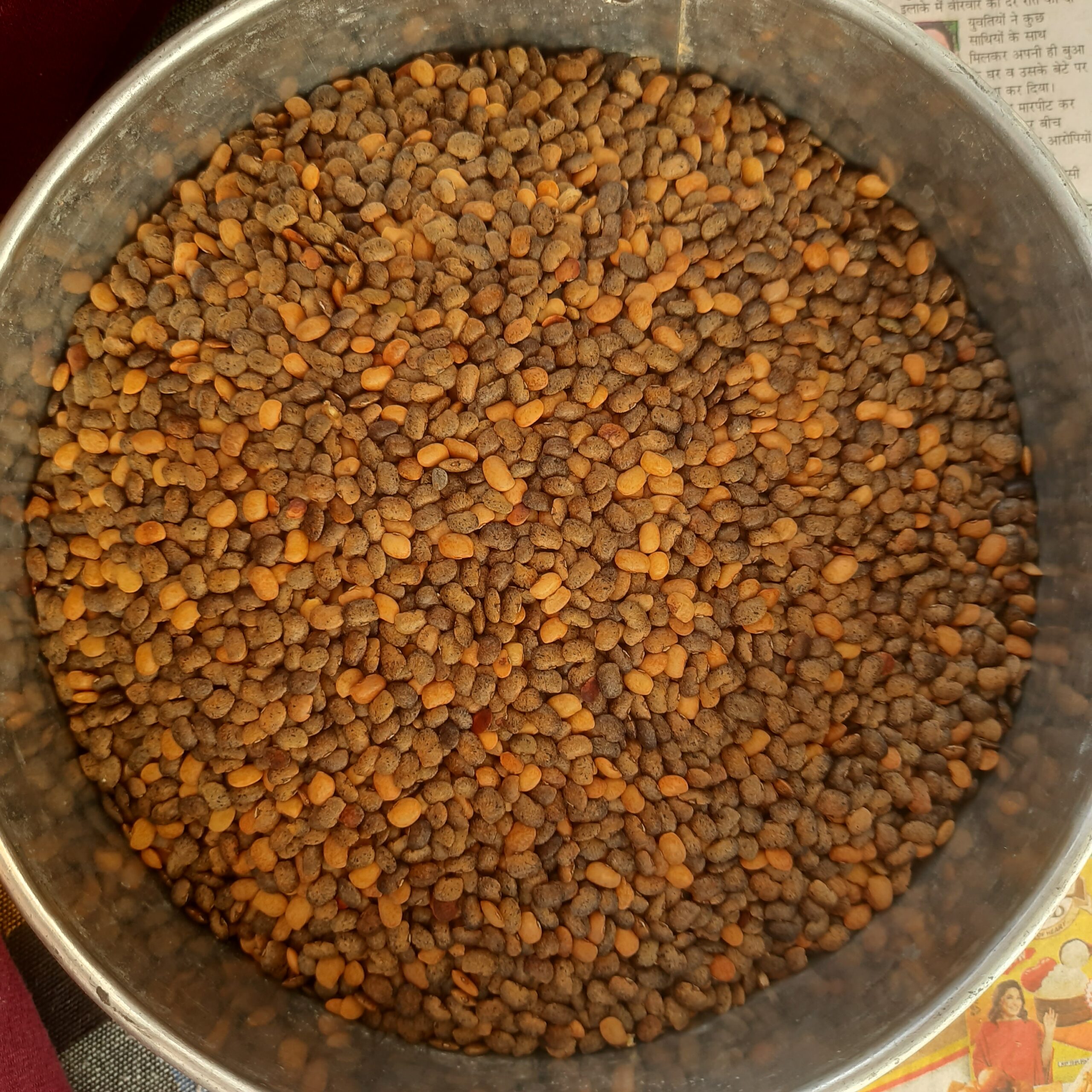
Gahat dal (horse gram) cooked as traditional Himalayan kulath dal from Uttarakhand

Gahat dal is called horse gram in English — scientific name Macrotyloma uniflorum. It is a small, dark brown pulse grown across the Himalayan foothills of Uttarakhand for over 2,000 years — as a daily food, a warming winter dish, and a traditional Ayurvedic remedy for kidney stones and digestion. In Hindi it is known as Kulthi; in Tamil as Kollu; in Telugu as Ulavalu. In the hills of Garhwal and Kumaon, it is simply called Gahat.

This article is the complete guide to gahat dal in English — what the plant is, where it comes from, why it is nutritionally exceptional, how Ayurveda has used it for centuries, and how to cook it simply at home.

In This Article


What Is Gahat Dal Called in English?

Gahat dal is called horse gram in English. The name “horse gram” comes from its historical use as livestock fodder across the Indian subcontinent — but do not let that mislead you. Horse gram is an exceptional human food with a nutritional profile that most widely consumed pulses cannot match.

Its full scientific name is Macrotyloma uniflorum. It belongs to the legume family (Fabaceae) and is one of the few pulses that grows reliably in poor, rocky, rain-fed soil — including the terraced hillside farms of the Himalayan belt where few other crops survive without irrigation.

It is known by different names across India:

  • Gahat — Garhwal and Kumaon, Uttarakhand
  • Kulthi — North India (general Hindi)
  • Kollu — Tamil Nadu
  • Ulavalu — Andhra Pradesh and Telangana
  • Hurali — Karnataka
  • Horse gram — English (the universal reference)

Same pulse, many names — but gahat from Uttarakhand carries a specific identity: grown at altitude, in Himalayan mineral-rich soil, by Pahadi farmers who have tended these hillside fields without synthetic inputs for generations.


How Gahat Dal Compares to Other Common Dals

Most Indian kitchens rotate through 4 or 5 dals — masoor, moong, arhar, chana, rajma. Gahat dal sits outside this rotation for most urban households. That is a nutritional gap worth closing. Here is how it compares:

DalProtein (per 100g)IronFibreGlycaemic Index
Gahat Dal (Horse Gram)22–24g~7mg~5gLow
Masoor Dal~25g~7mg~11gLow–Med
Moong Dal~24g~6mg~16gLow
Arhar (Toor) Dal~22g~5mg~15gMedium
Chana Dal~20g~5mg~17gLow

Where gahat dal truly stands apart is not just in its numbers — it is in its specific therapeutic properties. No other common Indian dal has the same Ayurvedic and clinical evidence behind kidney health, blood sugar management, and diuretic function. That combination is unique to horse gram.


5 Reasons You Should Add Gahat Dal to Your Diet

1. It Is the Best Pulse for Kidney Stone Prevention

This is gahat dal’s most well-documented traditional use — and where modern science most directly supports traditional practice. Gahat contains polyphenols that inhibit the formation of calcium oxalate crystals (the most common kidney stone type) and exerts a strong diuretic effect that increases urine flow. The traditional Uttarakhand practice of drinking overnight soaking water from gahat on an empty stomach each morning is a folk remedy that Ayurveda formalised and research has since validated.

2. It Manages Blood Sugar Better Than Most Dals

Gahat dal has a genuinely low glycaemic index — it releases energy slowly, avoids blood sugar spikes, and keeps you full for longer after meals. The combination of high protein, dietary fibre, and complex carbohydrates makes the post-meal glucose response from gahat significantly more stable than from most other pulses. For people managing Type 2 diabetes or insulin resistance, it is one of the most suitable dals available.

3. It Delivers 22–24g of Protein Per 100g

At 22–24g of protein per 100g, gahat dal horse gram is among the highest-protein pulses available in India. For vegetarians relying on dal as their primary protein source, this is meaningful — you get more protein per gram from gahat than from many of the dals currently in your kitchen.

4. It Is One of the Richest Vegetarian Sources of Iron

Gahat dal contains approximately 7mg of iron per 100g — among the highest iron values of any commonly available Indian pulse. For women with high iron requirements, vegetarians managing low haemoglobin, or anyone experiencing fatigue linked to iron deficiency, gahat is a genuinely useful food rather than just an interesting regional ingredient.

5. It Supports Weight Management Through Sustained Fullness

The high fibre and protein in gahat dal creates prolonged satiety — you feel full for longer without eating more. Ayurvedic texts describe gahat as having Medohara properties — the ability to help reduce excess body fat. In practical terms, replacing a lighter dal with gahat in your weekly rotation is a simple way to reduce hunger between meals without any other dietary change.

For the complete breakdown of all 7 health benefits and the full Ayurvedic case for kidney stone support, see: Gahat Dal Horse Gram — 7 Proven Benefits Including Kidney Stone Relief.


Gahat Dal Nutrition — What 100g Actually Gives You

Per 100g of raw gahat dal (horse gram):

  • Calories: 321 kcal
  • Protein: 22–24g
  • Carbohydrates: 57g (complex, slow-release)
  • Dietary Fibre: ~5g
  • Fat: 0.5g
  • Iron: ~7mg (approximately 39% of daily requirement)
  • Calcium: ~287mg
  • Phosphorus: ~311mg
  • Vitamin C: present (rare for a dried pulse)
  • Glycaemic Index: Low

Three things stand out: protein is among the highest of any Indian dal; iron at ~7mg per 100g puts it above most other pulses; and calcium at ~287mg per 100g is exceptionally high for a dried legume. You get all three in one food — which is uncommon in the plant world.


Where Gahat Dal Comes From — The Uttarakhand Story

Gahat has been grown in Uttarakhand for over 2,000 years. In the hill districts of Tehri Garhwal, Chamoli, Pauri Garhwal, and across Kumaon, it grows on rain-fed terraced farms at altitudes between 600 and 2,000 metres — without irrigation, without synthetic fertiliser, and often without any external inputs at all.

This growing environment matters. Crops grown at altitude in cold, rocky Himalayan soil develop differently from the same crop grown on flat, irrigated plains. Lower temperatures, higher UV exposure, mineral-rich mountain soil, and slow maturation produce a denser grain with a more concentrated nutritional profile. The mountain conditions are not incidental to the nutrition — they are the reason for it.

In traditional Pahadi households, gahat dal was the winter pulse — cooked into thick, slow-simmered curries during the coldest months when warming, sustaining food was the priority. The thick gravy of gahat dal served with rice or roti was not a dish of poverty. It was Himalayan food intelligence: a pulse that thrives in the hardest conditions and rewards the people who eat it.


How to Cook Gahat Dal at Home (Simple and Digestible)

The most common thing people say about gahat dal the first time they cook it: it needs proper soaking. That is true. But done correctly, it produces one of the most flavourful, hearty dals you will make.

Step 1 — Soak Overnight (This Step Is Not Optional)

Soak gahat dal in plenty of cold water for 8–12 hours. The grains will absorb water and soften significantly. If you have been told gahat is difficult to cook, insufficient soaking is almost certainly the reason. A properly soaked gahat dal cooks as easily as rajma.

Step 2 — Pressure Cook

Drain and rinse the soaked dal. Add to a pressure cooker with fresh water (1:3 ratio). Cook on medium heat for 4–5 whistles. The dal is ready when the grains are fully soft and the liquid has thickened slightly.

Step 3 — Make the Tadka

Heat ghee in a heavy pan. Add cumin seeds, dried red chillies, crushed garlic, and thinly sliced onion. Fry until golden. Add a tomato and cook until it breaks down. Add turmeric, coriander powder, and a pinch of asafoetida (hing). Combine with the cooked dal, salt to taste, and simmer on low heat for 10–12 minutes. Finish with garam masala and fresh coriander.

The result is a thick, earthy, deeply satisfying dal — nothing like the mild, watery versions that come from lighter pulses. This is a dal with real character.

Traditional Uttarakhand variation: Pahadi cooking uses minimal water, generous ghee, and slow cooking over low heat. The tadka uses jakhiya seeds (wild Himalayan mustard seeds) alongside or instead of cumin — giving the finished dish its distinctly Garhwali flavour and aroma.


Who Should Be Eating Gahat Dal?

  • Anyone with a history of kidney stones — the most evidence-backed dietary support from a pulse, used in Uttarakhand for this purpose for centuries
  • People managing Type 2 diabetes — low-glycaemic, high-protein, high-fibre; one of the most diabetes-appropriate dals in the Indian pantry
  • Vegetarians looking for high protein — 22–24g per 100g, among the highest of any Indian pulse
  • Women and anyone managing low iron — approximately 7mg iron per 100g, one of the richest plant sources available
  • Those managing weight — high fibre and protein sustain fullness; Ayurveda identifies Medohara (fat-reducing) properties
  • Anyone eating for long-term health — a 2,000-year-old food with an unbroken track record of nourishing Himalayan communities

Frequently Asked Questions About Gahat Dal

What is gahat dal called in English?

Gahat dal is called horse gram in English. Its scientific name is Macrotyloma uniflorum. It is the same pulse known as Kulthi in Hindi, Kollu in Tamil, Ulavalu in Telugu, and Hurali in Kannada.

Is gahat dal the same as kulthi?

Yes. Gahat and Kulthi are the same pulse — horse gram. Gahat is the name used in Uttarakhand’s Garhwali and Kumaoni dialects; Kulthi is the general Hindi name. The grain, its nutritional properties, and its Ayurvedic uses are identical.

Does gahat dal really help with kidney stones?

Yes — gahat dal has the strongest traditional and scientific evidence of any pulse for kidney stone support. Its diuretic properties increase urine flow; its polyphenols inhibit calcium oxalate crystal formation. The traditional practice of drinking overnight soaking water on an empty stomach is well-documented in Ayurvedic texts and supported by modern research. It is a dietary support, not a substitute for medical treatment.

How long should I soak gahat dal before cooking?

Soak gahat dal for 8–12 hours before cooking — overnight is the standard. It is a dense grain that does not soften adequately without sufficient soaking. After soaking, it cooks in a pressure cooker in 4–5 whistles. Do not try to cook it without soaking first.

Who should avoid gahat dal?

Gahat dal is safe for most people. It is relatively high in purines — a consideration for people with gout. It is iron-rich, so those with haemochromatosis (iron overload) should monitor intake. People with advanced chronic kidney disease (as distinct from kidney stones) should consult a doctor before significantly increasing their pulse intake.

Want the kidney stone deep-dive? See Gahat Dal for Kidney Stones — What Ayurveda and the Evidence Say for the traditional broth preparation, proposed mechanisms, and safety guidance.

Looking for the same guide on another Himalayan pulse? See Toor Dal vs Arhar Dal vs Pahadi Toor Dal for the naming confusion around pigeon pea, and what actually separates hill-grown, unpolished toor dal from standard commercial dal.

Posted on 1 Comment

Bhatt (Black Soybean): What It Is, Where It Comes From, and Why Uttarakhand’s Ancient Dal Has 40g of Protein

Bhatt black soybean from Uttarakhand in a bowl

Bhatt has been grown in the hills of Uttarakhand for at least three thousand years. It feeds families through winter. It appears in every traditional Pahadi thali. Ayurvedic texts reference it. And yet if you walk into any supermarket in Delhi or Mumbai, you will not find it — because bhatt is not a commercial crop. It has never been mass-produced. It has never been branded. It has simply been quietly grown, cooked and eaten by the people who know it best.

That is now changing. Bhatt — Uttarakhand’s traditional black soybean — contains approximately 40g of plant protein per 100g, making it one of the highest-protein pulses grown anywhere in India. Its black skin is loaded with anthocyanins, the same antioxidant compounds found in blueberries and black rice. And it grows at altitude on rain-fed terraced fields without chemical inputs, the way it has always been grown. This is a complete guide to what bhatt actually is, where it comes from, and why it deserves a place in modern Indian kitchens.

In This Article


What Is Bhatt (Black Soybean)?

Bhatt is the Garhwali and Kumaoni name for a traditional black soybean variety — botanically Glycine max, the same species as the commercial yellow soybean grown across the plains. What makes bhatt different is not the species but the variety: the seed coat is entirely black, the grain is noticeably smaller than commercial soybean, and the flavour is earthier, nuttier and more complex. This is not a superfood trend or a recently discovered ingredient. It is a staple that has been part of the Himalayan diet for centuries.

The word “bhatt” is used across Uttarakhand’s two main cultural regions — Garhwal and Kumaon — to refer to this specific black soybean variety, as distinct from yellow soybean or other legumes. In local usage it is also sometimes called Pahadi bhatt (mountain bhatt) or kala bhatt (black bhatt) to distinguish it from improved commercial varieties that look similar but are not the same thing.

Unlike commercial soybeans — which are grown in large quantities across Madhya Pradesh, Maharashtra and Rajasthan for oil extraction and animal feed — bhatt is grown exclusively on small terraced holdings in the Himalayan hills, primarily for direct consumption. It is not crushed for oil. It is not processed into textured vegetable protein. It is cooked whole, as a dal, just as it has always been.


Where Bhatt Comes From in Uttarakhand

Bhatt is grown primarily across the hill districts of Uttarakhand — Almora, Pithoragarh, Bageshwar, Chamoli, Rudraprayag and Tehri Garhwal. These are the same districts where most of Fyonli’s other ingredients come from: jhangora, gahat, mandua, bhangjeera. The growing altitude is typically between 1,000 and 2,400 metres above sea level, on rain-fed terraced fields carved directly into the hillside.

Bhatt is a kharif crop — sown in June after the monsoon breaks and harvested between October and November, once the pods have dried and begun to split. Like most traditional Pahadi crops, bhatt is grown without synthetic fertilisers or pesticides. Mountain soil is mineral-rich, water comes from rainfall and glacial streams, and the slow growing season at altitude produces a denser, more nutritionally concentrated grain than flatland cultivation can achieve.

Historically, bhatt was grown as a mixed crop — intercropped with mandua (finger millet), gahat (horse gram) and other legumes in a traditional farming system designed to maintain soil fertility without external inputs. Each crop fed the soil as well as the family. This polyculture approach is still practised by many older farmers in the hills, even as younger generations move away and agricultural land shrinks.


Bhatt Nutrition — What 100g Actually Contains

The nutritional profile of bhatt black soybean is exceptional — particularly for a plant-based food. Here are the key figures per 100g of dried whole bhatt:

  • Protein: ~40g — among the highest of any pulse or legume grown in India; comparable to chicken breast on a gram-for-gram basis
  • Iron: ~8.8mg — nearly 5× the iron in whole wheat; critical for blood formation and anaemia prevention
  • Calcium: ~220mg — close to the calcium content of milk per 100g; supports bone density and muscle function
  • Dietary Fibre: ~9g — feeds gut bacteria, slows digestion, and helps regulate blood sugar and cholesterol
  • Anthocyanins — concentrated in the black seed coat; powerful antioxidants with anti-inflammatory properties
  • Isoflavones — plant compounds with hormone-balancing effects, particularly relevant for women
  • Healthy fats: ~18g — predominantly unsaturated omega-6 and omega-3; zero cholesterol

What is particularly notable is the combination of protein, iron, calcium and anthocyanins in a single whole food. Most high-protein plant sources — lentils, chickpeas, moong — do not also carry significant antioxidant pigments. Bhatt’s black skin makes it unusual, and unusually complete.


6 Reasons Bhatt Belongs in Your Kitchen

1. The Highest Plant Protein of Any Indian Dal

At approximately 40g of protein per 100g, bhatt black soybean contains nearly twice the protein of toor dal (~22g), moong dal (~24g), chana dal (~20g) or rajma (~24g). It contains more protein than eggs on a gram-for-gram basis. For vegetarians, vegans, or anyone trying to eat more protein without meat or supplements, bhatt is one of the most efficient whole-food options available — and it fits naturally into a dal-rice meal that Indian kitchens already know how to cook.

2. Antioxidants You Cannot Get From Yellow Soybean

The black skin of bhatt is not just colour. It contains anthocyanins — the same class of antioxidant found in blueberries, black rice and purple cabbage. These compounds reduce oxidative stress, lower inflammation, and protect cells from chronic damage. Yellow soybean has none of this. When you cook bhatt, the water turns deep purple-black — that is the anthocyanin releasing. It is a visible sign of something genuinely nutritious happening in your pot.

3. Serious Iron for Serious Deficiency

Iron deficiency anaemia affects an estimated 50–60% of women in India. Bhatt contains around 8.8mg of iron per 100g — nearly five times more than white rice and significantly more than most common dals. Pair it with something acidic — a squeeze of lemon, a little tamarind, some tomato in the curry — and the non-haem iron becomes far more bioavailable. Traditional Uttarakhand recipes often include sour elements with bhatt. That may not be coincidence.

4. Hormone Balance via Isoflavones

Bhatt contains soy isoflavones — plant compounds that weakly mimic oestrogen in the body. Regular consumption of whole soy foods is associated with reduced hot flashes in menopausal women, better bone density, and a lower risk of certain hormone-related cancers. The important distinction is whole food versus processed: bhatt cooked as a dal is the right form. It is the form Pahadi women have eaten for generations, long before any of this was studied.

5. Good for Your Gut and Your Blood Sugar

Bhatt’s fibre content of around 9g per 100g feeds the gut microbiome, slows glucose absorption and helps reduce LDL cholesterol. Combined with its high protein, bhatt has a low glycaemic impact — it does not spike blood sugar the way white rice or refined wheat does. For diabetics or pre-diabetics, swapping a portion of white rice for bhatt dal several times a week can noticeably reduce post-meal glucose response.

6. Zero Cholesterol, Heart-Healthy Fats

Bhatt contains around 18g of fat per 100g, but almost all of it is unsaturated — including both omega-6 and omega-3 fatty acids. There is no cholesterol. For anyone replacing red meat or dairy-heavy meals with plant proteins, bhatt contributes to a fat profile that is genuinely cardiovascular-supportive, not just neutral.


Bhatt vs Yellow Soybean — The Real Differences

Bhatt and commercial yellow soybean are the same botanical species, but they are very different in practice. Here is an honest comparison:

  • Anthocyanins: Present in bhatt (black skin). Completely absent in yellow soybean.
  • Growing method: Bhatt is grown traditionally at altitude without chemical inputs. Commercial yellow soybean is a mass-production crop, typically grown with fertilisers and pesticides.
  • How it is eaten: Bhatt is cooked whole as a dal. Yellow soybean is mostly processed — into oil, textured vegetable protein, soy milk or tofu.
  • Flavour: Bhatt has a deeper, earthier, nuttier taste. Yellow soybean is relatively bland and benefits from heavy seasoning or processing.
  • Phytic acid: Both contain phytic acid, which reduces mineral absorption. Soaking bhatt overnight — as Pahadi cooks have always done — reduces this significantly. Cook in fresh water after soaking.
  • Availability: Yellow soybean is in every supermarket. Bhatt is only available from small Pahadi producers — which is why it is worth sourcing carefully.

How Bhatt Is Cooked in Uttarakhand

Bhatt has a central place in the traditional Pahadi kitchen — not as a special occasion food, but as an everyday protein that appears alongside rice, seasonal greens and pickles. The preparations are simple, unfussy and completely unforgiving of bad ingredients. That is part of what makes them good.

Bhatt ki Churdkani

The most beloved bhatt preparation in Kumaon. Churdkani means roughly “crushed” — soaked bhatt is pressure-cooked until very soft, then lightly mashed and finished with a tempering of ghee, cumin, garlic and dried red chilli. The result is thick, dark and deeply savoury. It is usually eaten with steamed rice and a side of green chilli pickle. If you cook nothing else from this post, cook this.

Bhatt ki Dal

A straightforward dal — soaked bhatt cooked until soft, then given a simple tadka of mustard oil, cumin, dry red chilli, garlic and a pinch of turmeric. Less rustic than churdkani, but still deeply flavoured. This is the everyday version — fast, filling and nutritionally complete when eaten with rice or mandua roti.

Bhatt ka Jholi

A thinner, curry-style preparation — cooked bhatt in a curd- or water-based sauce seasoned with dried red chillies, cumin and ginger. Jholi means “thin curry” in Garhwali. It is lighter than churdkani, with a slightly sour note from the curd. Often poured over boiled rice or served alongside rotis.


How to Cook Bhatt at Home

Bhatt needs more preparation time than a lentil but is straightforward to cook. The key is not to rush the soaking.

Step 1 — Soak (8–12 hours)

Rinse the bhatt well and soak in cold water overnight. Soaking is not optional. Unsoaked black soybean is very hard, takes much longer to cook, and retains more phytic acid, which blocks mineral absorption. The soaking water turns dark purple from the anthocyanins — discard it, rinse the beans, and cook in fresh water.

Step 2 — Pressure Cook

Add soaked bhatt to a pressure cooker with fresh water — about 3 times the volume of the beans — and a pinch of salt. Cook on medium heat for 4–5 whistles. Let the pressure release naturally before opening. The bhatt should be completely soft and easily crushed between your fingers. If still firm, cook for 1–2 more whistles.

Step 3 — Temper

Heat mustard oil or ghee in a pan until it shimmers. Add cumin seeds and let them splutter. Add sliced garlic and a dried red chilli. Add the cooked bhatt with its cooking water. Season with salt, turmeric, and optionally a small pinch of garam masala. Simmer for 5–8 minutes until the flavours come together. Total active time after soaking: about 15 minutes. Serves 2–3 as part of a meal.


Frequently Asked Questions

What is bhatt in English?

Bhatt is the Garhwali and Kumaoni word for a traditional black soybean variety native to the hills of Uttarakhand. In English it is most accurately described as “Himalayan black soybean” or “Pahadi black soybean.” Its botanical name is Glycine max — the same species as commercial yellow soybean, but a distinct heirloom variety with a black seed coat and a richer nutritional profile.

How much protein does bhatt have?

Approximately 40g of protein per 100g of dried bhatt — making it one of the highest-protein plant foods you can cook as a dal. For comparison: toor dal has around 22g, moong dal around 24g, and chickpeas around 19g. A typical serving of 50g dry bhatt provides roughly 18–20g of protein once cooked.

Is bhatt the same as regular soybean?

Same species, very different in practice. Bhatt is a traditional heirloom variety grown at altitude in Uttarakhand without chemical inputs, eaten whole as a dal. Commercial yellow soybean is a modern mass-production crop, mostly processed into oil, soy milk or textured protein. The biggest practical difference: bhatt has a black skin with anthocyanins that yellow soybean simply does not have.

Is bhatt good for weight loss?

For most people, yes. Bhatt is high in protein — which increases satiety and reduces total calorie intake — and high in fibre, which slows digestion and keeps you fuller for longer. It has a low glycaemic impact, so it does not cause the spike-and-crash cycle that white rice or processed carbs can trigger. Replacing a higher-glycaemic meal component with bhatt dal is a simple, effective way to improve both satiety and nutritional density without counting calories.

Does bhatt need to be soaked before cooking?

Yes — 8 to 12 hours, overnight is easiest. Without soaking, bhatt takes much longer to cook, stays tougher in texture, and retains more phytic acid, which reduces how much iron and calcium your body can absorb. After soaking, discard the water, rinse, and cook in fresh water. This is how it has always been prepared in Uttarakhand kitchens — not as a modern nutritional tip, but as practical mountain cooking knowledge passed down through generations.

Where can I buy authentic Pahadi bhatt online?

Authentic bhatt from Uttarakhand’s hill districts is available from small-batch Himalayan food brands that source directly from farmers. Fyonli sources bhatt directly from small-holder farmers in Tehri Garhwal — the same mountain growing region as our other ingredients. Available at thefyonli.com.

Building out your Himalayan pulse pantry? See Toor Dal vs Arhar Dal vs Pahadi Toor Dal for why unpolished, hill-grown toor dal is a genuinely different product from the polished dal sold in most supermarkets — the same distinction that makes bhatt different from commodity soybean.

Posted on Leave a comment

Gahat Dal (Horse Gram) for Kidney Stones: Does It Really Work?

Gahat dal for kidney stones — horse gram (kulthi) broth in a bowl

Gahat dal for kidney stones is the best-documented traditional use of Uttarakhand’s most medicinally regarded pulse — known in English as horse gram, and across much of India as kulthi. This page covers that specific angle in depth: what Ayurveda says, what the evidence shows, the traditional gahat broth preparation, and how to use it safely alongside regular cooking. For a full overview of gahat dal’s nutrition, taste, and everyday cooking, see the complete gahat dal guide.

Short answer: Gahat dal (horse gram, or kulthi) is one of Ayurveda’s most-used dietary remedies for kidney stones. Its natural diuretic effect increases urine flow and its polyphenols help inhibit calcium-oxalate crystal formation — the most common stone type. The traditional method is to drink gahat broth or its overnight soaking water twice daily for 3–4 weeks. It is most useful for preventing stones and helping pass small ones (under ~5mm); stones above 6–7mm need medical treatment. Gahat dal is a dietary support, not a substitute for medical care.


In This Article


Gahat Dal for Kidney Stones — The Ayurvedic and Scientific Case

What Ayurveda Has Always Said

In Ayurveda, gahat dal (horse gram) is classified as having Mutral properties — meaning it acts as a natural diuretic, promoting increased urine flow. This is the mechanism at the centre of its traditional use for kidney stones. Classical Ayurvedic texts and centuries of practice across Garhwal and Kumaon describe gahat dal as one of the most reliable foods for preventing the formation of urinary stones and assisting in the passing of existing ones.

The traditional preparation is not eating gahat dal as a cooked dish — it is drinking the water in which gahat dal has been soaked overnight, or consuming a slow-cooked gahat broth twice daily over a sustained period of weeks. In hilly regions of Garhwal and Kumaon, gahat dal has long been regarded as a remarkable traditional remedy for kidney stones. Down To Earth

What the Evidence Shows

Modern research supports this traditional understanding in two specific ways.

First, gahat dal’s diuretic effect is real and documented. Increased urine flow creates mechanical pressure on deposited stones and reduces the concentration of stone-forming minerals in the urine — both of which contribute to stone prevention and, in the case of smaller deposits, expulsion. Due to its diuretic properties, horse gram is effective in assisting in the removal of kidney stones. Isha Foundation

Second, gahat dal contains polyphenols and flavonoids that inhibit the formation of calcium oxalate crystals — the most common type of kidney stone, responsible for approximately 80% of cases. Horse gram contains certain compounds that make kidney stones more soluble, and regular consumption aids in avoiding the formation of new stones. Down To Earth

Why It Works — The Proposed Mechanism

The combination of three properties is what makes gahat dal specifically useful for kidney health — rather than any single compound in isolation:

  • Diuretic effect: increases urine volume, flushing the urinary system and reducing mineral concentration
  • Polyphenol content: inhibits crystal formation, particularly calcium oxalate
  • Alkalising action: Ayurveda describes gahat as having an alkaline post-digestive effect, which reduces the acidity in which uric acid stones form most readily

The traditional recommendation of consuming gahat soup twice a day for about a month aligns with what the science would predict: sustained dietary intervention works better than a single dose, and consistency over weeks allows the diuretic and anti-crystallisation effects to accumulate.


Gahat Broth — The Traditional Medicinal Preparation

This is the preparation that Uttarakhand families actually use for kidney health — not gahat dal eaten as a meal, but the liquid itself, consumed as a warm broth. It is simpler to prepare than it sounds and produces nothing if you are already cooking gahat dal regularly.

Method 1 — The Overnight Soaking Water (Simplest)

  1. Measure 3–4 tablespoons of gahat dal into a glass or steel container
  2. Cover with 400–500ml of clean water and leave to soak overnight (8–12 hours)
  3. In the morning, strain the soaking water through a fine mesh into a glass
  4. Drink on an empty stomach, warm if preferred (gently heat without boiling)
  5. Use the soaked dal normally for cooking that day — nothing is wasted

This is the most widely used traditional practice. The soaking water contains leached polyphenols, flavonoids, and soluble compounds from the grain in their most concentrated, bioavailable form — before heat denatures any part of them.

Method 2 — Slow-Cooked Gahat Broth (Traditional Uttarakhand)

Ingredients: ½ cup gahat dal (soaked overnight and drained), 1 litre water, 1 small piece of ginger (bruised), ½ tsp cumin seeds, a pinch of rock salt.

  1. Add soaked gahat dal and all ingredients to a heavy pot
  2. Bring to a boil, then reduce to a very low simmer
  3. Cook uncovered for 45–60 minutes until the liquid has reduced by roughly a third and turned a deep reddish-brown
  4. Strain the liquid, discard the spent dal (or add to compost), and drink the broth warm
  5. Take twice daily — morning on an empty stomach, and again in the evening before dinner

This slow-cooked broth is the more potent preparation and the one referenced in traditional Ayurvedic practice. The colour change to deep reddish-brown is a reliable indicator that sufficient polyphenols have been extracted. It tastes earthy and slightly astringent — add a squeeze of lemon and a little raw honey to make it more palatable without reducing its properties.

Duration: Traditional practice recommends consistency over a minimum of 3–4 weeks for kidney stone support. Gahat soup consumed twice a day for about a month is the traditional approach, with ongoing regular gahat dal consumption helping avoid formation of new stones.


Supporting Benefits Relevant to Kidney Health

Three of gahat dal’s broader nutritional properties are specifically relevant to urinary and kidney health, beyond the direct stone-prevention mechanism.

Blood Sugar Management Reduces Stone Risk

Gahat dal has a low glycaemic index and is high in soluble fibre — both of which help maintain stable blood sugar. This matters for kidney health specifically because chronically elevated blood sugar damages the kidney’s filtering function over time and increases calcium excretion in the urine, one of the key contributors to calcium oxalate stone formation. For diabetics managing kidney health, gahat dal addresses both concerns simultaneously.

High Protein Supports Recovery Without Excess Animal Protein

Gahat dal contains 22–24g of protein per 100g — among the highest of any Indian pulse. High animal protein intake is a known risk factor for kidney stones because it increases uric acid production and urinary calcium excretion. For people managing kidney stones who need to maintain protein intake, gahat dal as a plant protein source avoids these risks while delivering meaningful nutritional value.

Iron Without the Oxalate Load of Leafy Greens

People managing calcium oxalate kidney stones are often advised to moderate high-oxalate foods — which includes spinach, beetroot, and many other iron-rich vegetables. Gahat dal provides approximately 7mg of iron per 100g (around 39% of daily recommended intake for men) without the high oxalate content of leafy greens, making it one of the most useful iron sources for someone managing both anaemia and kidney stone risk.


Gahat Dal Nutrition — Quick Reference

Per 100g of raw gahat dal: 22–24g protein, ~7mg iron, 287mg calcium, 5–8g dietary fibre, complex slow-release carbohydrates, low fat, low glycaemic index. Rich in polyphenols and flavonoids. Gluten-free.

For the full nutrition breakdown, dal-by-dal comparison, and everyday cooking guide, see the complete gahat dal guide.


Who Should Be Careful

Gahat dal is a traditional dietary food — not a medical treatment. These caveats matter and should not be glossed over.

Not a Substitute for Medical Treatment

Kidney stones above a certain size (typically above 6–7mm) cannot pass naturally regardless of diet and require medical intervention — ureteroscopy, lithotripsy, or surgery depending on type and location. If you are experiencing kidney stone symptoms (severe flank pain, blood in urine, difficulty urinating), see a doctor. Gahat dal is a dietary support and preventative tool, not an emergency treatment.

Who Should Exercise Particular Caution

  • Pregnant women: gahat dal is traditionally considered a “heating” food in Ayurveda and is generally avoided during pregnancy. Consult a doctor before using it medicinally during pregnancy.
  • Advanced chronic kidney disease (CKD): people with significantly reduced kidney function may need to limit high-potassium and high-phosphorus foods, including some pulses. Check with a nephrologist before adding gahat dal regularly if you have diagnosed CKD.
  • Gout: gahat dal is high in purines. For people managing gout or very high uric acid, high-purine pulses may worsen symptoms. Moderate intake and consult a doctor.
  • Digestive sensitivity: gahat dal is a harder-to-digest pulse than most. Always soak for a minimum of 8–12 hours and cook thoroughly. Starting with smaller quantities (1–2 tablespoons of broth rather than a full serving of dal) allows the digestive system to adapt.

Where to Buy Authentic Gahat Dal Online

Most gahat dal — sold online as horse gram or kulthi — does not specify a growing region and is sourced from commercial suppliers. The nutritional profile may be broadly similar, but the story — and often the flavour — is not. If you are specifically seeking kulthi for kidney stones, growing region and minimal processing matter more than for everyday cooking.

Authentic Pahadi gahat dal from Tehri Garhwal farming families, grown at altitude without chemical inputs, is unpolished — retaining its natural outer layer where the highest concentration of polyphenols and flavonoids are found. This matters specifically for medicinal use: polished or over-processed gahat dal will have lower levels of the compounds most relevant to kidney health.

Our gahat dal comes directly from Tehri Garhwal farming communities. It is unpolished, unsorted for cosmetic appearance, and packed in small seasonal batches without blending or additives. It looks as gahat dal should — rustic, dark, and real.

Shop Tehri Garhwal Gahat Dal →


Frequently Asked Questions — Gahat Dal and Kidney Stones

Does gahat dal dissolve kidney stones?

Not in the way a chemical solvent does — but it does make certain types of kidney stones more soluble and harder to form. The polyphenols in gahat dal inhibit the crystallisation of calcium oxalate (the most common stone type), and its diuretic effect increases urine flow which helps flush smaller deposits. For existing stones large enough to cause symptoms, gahat dal supports the process but is not a standalone cure — medical advice is essential alongside any dietary intervention.

How much gahat dal broth should I drink for kidney stones?

Traditional practice recommends one glass (200–250ml) of gahat broth or soaking water twice daily — once in the morning on an empty stomach, once in the evening before dinner. Starting with once a day for the first week is sensible if your digestive system is not used to gahat dal, then building to twice daily. Consistency over 3–4 weeks is more important than quantity at any single sitting.

How long does gahat dal take to help with kidney stones?

Traditional Ayurvedic guidance suggests a minimum of one month of twice-daily consumption before expecting results. This aligns with what the research on dietary interventions for kidney stones generally shows — changes in urinary chemistry take weeks to accumulate, and stone prevention is a sustained process rather than an acute one. Some people report noticing reduced discomfort within 2–3 weeks; others see results only after a full month of consistency.

Can I take gahat dal every day for kidney stone prevention?

Yes — for most healthy adults, regular gahat dal consumption (as a cooked dal 2–3 times per week, or broth daily) is safe and appropriate for preventative use. In Uttarakhand, gahat dal is simply a weekly kitchen staple for many families — the kidney health benefits are a byproduct of ordinary eating rather than a separate medicinal protocol. People with the conditions listed in the “Who Should Be Careful” section above should check with a doctor first.

Is gahat dal safe during pregnancy?

Gahat dal is classified as a “heating” food in Ayurveda and is traditionally avoided in pregnancy, particularly in the first trimester. As a cooked dal eaten occasionally in normal food quantities it is generally considered safe, but using it medicinally — drinking broth twice daily — during pregnancy is not recommended without specific medical guidance. Consult an obstetrician or Ayurvedic practitioner familiar with pregnancy nutrition before using gahat dal therapeutically.

What size of kidney stones can gahat dal help with?

Gahat dal’s dietary support is most relevant for small stones (typically under 5mm) that are still within the range where natural passage is possible, and for prevention of new stone formation in people with a history of kidney stones. Stones above 6–7mm generally require medical intervention regardless of diet. Gahat dal is most valuable as a preventative measure and as a support alongside conventional treatment — not as a primary treatment for large or symptomatic stones.


You might also like:

Posted on Leave a comment

Pahadi Rajma vs Regular Rajma: Why Mountain Kidney Beans Are Different

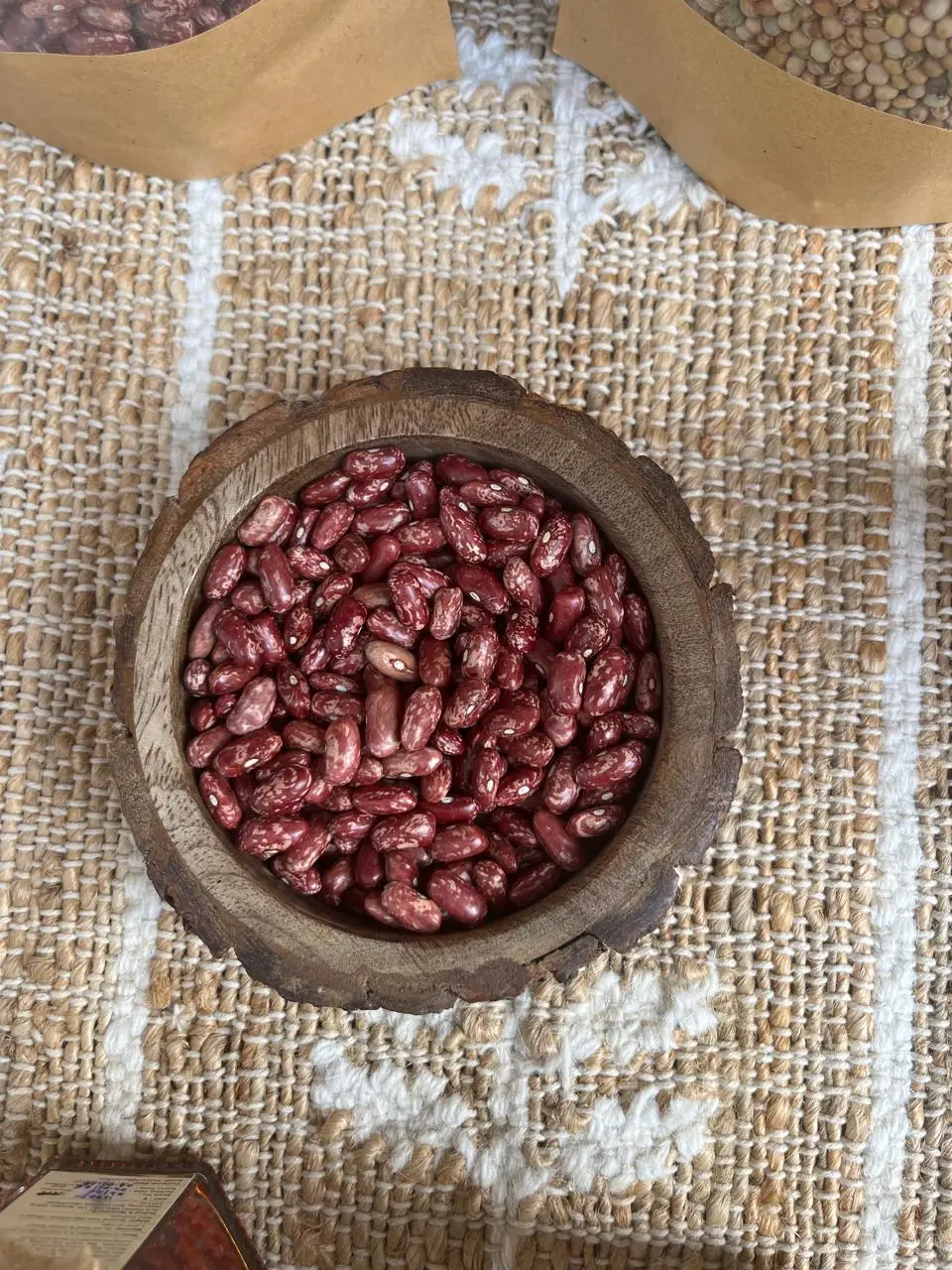
Pahadi Rajma vs Regular Rajma

Pahadi rajma vs regular rajma — if you have cooked both, you already know the difference without needing anyone to explain it. The colour is deeper. The aroma while cooking fills the kitchen differently. And the texture — creamy inside, holding its shape outside — is simply not the same thing as what comes in a supermarket packet.

But what actually creates this difference? And is the price premium worth it?

Here is an honest comparison.

In This Article


What Is Pahadi Rajma?

Pahadi rajma refers to kidney beans grown in the Himalayan belt — primarily across Uttarakhand districts like Chakrata, Bageshwar, Joshimath, Rudraprayag, and Munsyari, as well as parts of Kashmir.

These beans have been cultivated for generations by mountain farming communities using traditional methods — no synthetic fertilisers, no chemical pesticides, and no machine harvesting. Every batch is hand-picked at the right stage of ripeness, which is something large-scale commercial farming simply cannot do.

Altitude matters enormously here. Most pahadi rajma grows between 1,500 and 2,500 metres above sea level. At this elevation, the growing season is slower, the temperature swings between day and night are wider, and the soil is mineral-rich from centuries of organic matter and glacial deposits. These conditions concentrate flavour and nutrition in ways that flat-land farming cannot replicate.


What Is Regular Rajma?

The rajma you find in most supermarkets, kirana stores, and quick commerce platforms is typically grown in the plains — Punjab, Madhya Pradesh, or imported from Canada and Myanmar. It is grown at scale, often with chemical inputs, and harvested mechanically.

This is not inherently bad — it is affordable, widely available, and perfectly functional for everyday cooking. But it is a commodity product optimised for yield and shelf life, not for flavour or nutritional depth.


Pahadi Rajma vs Regular Rajma — 5 Key Differences

When comparing pahadi rajma vs regular rajma, five differences stand out consistently across every variety.

1. Flavour and Aroma

Pahadi rajma has a distinctly earthy, slightly nutty aroma that fills the kitchen while cooking. The flavour of the final dish is deeper and more complex — you need fewer spices to make a good gravy because the beans themselves contribute more.

Regular rajma tends to be milder and more neutral. It absorbs whatever spices you add but contributes little of its own character.

2. Cooking Time

This surprises most people — pahadi rajma actually cooks faster than regular rajma, despite being more flavourful. The reason is the thinner skin. Mountain varieties have a more delicate outer layer that softens quickly, even with shorter soaking times.

Regular commercial rajma often has a tougher skin that requires longer soaking — typically 8 hours or overnight — and more pressure cooking cycles.

3. Texture After Cooking

Pahadi rajma becomes creamy on the inside while holding its shape on the outside. This is the texture that makes a genuinely great rajma chawal — each bean is intact but melts slightly when you press it.

Commercial rajma can become either too firm or too mushy depending on cooking time, and it rarely achieves that balance naturally.

4. Nutrition

Because pahadi rajma grows slowly at high altitude in mineral-rich soil without chemical inputs, it retains higher levels of protein, iron, and dietary fibre. The slower growth cycle allows the bean to fully develop its nutritional profile in a way that a 6-month commercial crop cannot.

5. Variety and Origin

Pahadi rajma is not one thing — it is a family of distinct heirloom varieties, each with its own character:

  • Chakrata Rajma — deep red, bold flavour, grown in the Chakrata hills of Uttarakhand
  • Bageshwar White Rajma — creamy white, mild and buttery, known as the Pearl of Bageshwar
  • Joshimath Chitra Rajma — speckled, grown at high altitude, considered a superfood variety
  • Kashmiri Rajma Shopian — darker and earthier, from the Kashmir valley

Each variety tastes different because each valley has different soil, water, and climate. This is the same reason a Darjeeling tea tastes nothing like an Assam tea — terroir matters.

Regular supermarket rajma, by contrast, has no stated origin. It is a blend sourced from wherever is cheapest that season.


Small Rajma vs Big Rajma — What the Size Difference Actually Means

One of the first things people notice when they receive pahadi rajma is the size: mountain varieties are noticeably smaller than the large, uniform beans sold commercially. This is not a quality issue — it is exactly what you should expect, and here is why it matters.

Commercial rajma is bred for visual yield. Large beans fill a packet impressively and photograph well. Pahadi varieties — Joshimath Chitra rajma, Chakrata rajma, Bageshwar White rajma — are smaller because they grow slowly at altitude, concentrating nutrition into a denser bean rather than expanding in size.

What the size difference means in practice:

  • Thinner skin — smaller pahadi beans have a more delicate outer layer, which is why they soak in 4–6 hours rather than overnight and cook faster under pressure
  • Higher nutrient density — less filler, more bean; the slower growth cycle means protein, iron and dietary fibre are proportionally higher per gram
  • More even cooking — small beans cook uniformly throughout; large commercial rajma often ends up mushy outside while still firm inside
  • Better final texture — each bean holds its shape while becoming creamy inside, rather than bursting open in the gravy

If you are switching from large commercial rajma to pahadi varieties, the smaller size will be the first thing you notice — and the last thing you will think about once you have tasted the difference.


Why This Matters for Your Kitchen

If you cook rajma occasionally as a convenience meal, regular rajma does the job.

But if rajma is something you cook with care — for Sunday lunch, for guests, or simply because you take your food seriously — pahadi rajma makes a noticeable difference in every aspect of the dish.

The price difference — typically ₹50 to ₹150 more per 400g — works out to a few rupees per serving. For a dish that feeds four people, that is a negligible cost for a meaningfully better meal.

According to ICAR’s research on high-altitude legumes, pulse crops grown above 1500m consistently show higher protein and micronutrient content compared to plains varieties — a finding that aligns with what Pahadi communities have always known empirically.


How to Cook Pahadi Rajma

The difference between pahadi rajma and regular rajma extends to the kitchen process too:

  1. Soak for 4–6 hours — shorter than regular rajma thanks to the thinner skin
  2. Pressure cook for 3–4 whistles — less than you might expect
  3. The beans should be tender but holding their shape
  4. Use a simple masala — the beans do the work, so you do not need to overcomplicate the gravy
  5. Finish with a spoonful of ghee and serve with steamed rice

Where to Buy Authentic Pahadi Rajma Online

The challenge with buying pahadi rajma vs regular rajma online is that many sellers label ordinary commercial rajma as “pahadi” or “Himalayan” without any traceability. Look for sellers who can tell you the specific region of origin — Chakrata, Bageshwar, Joshimath — not just a generic Himalayan claim.

At Fyonli, every pahadi rajma variety is single-origin and traceable to a named growing region in Uttarakhand or Kashmir. We source directly from the farming communities who grow them, in small batches each season.

Shop our Himalayan Rajma collection →


Related products:


Same question, different pulse: see Toor Dal vs Arhar Dal vs Pahadi Toor Dal for how the naming confusion and the terroir-plus-processing difference play out with pigeon pea.